Banks, bonds, inflation, recession and energy: Five lessons the markets taught us this week

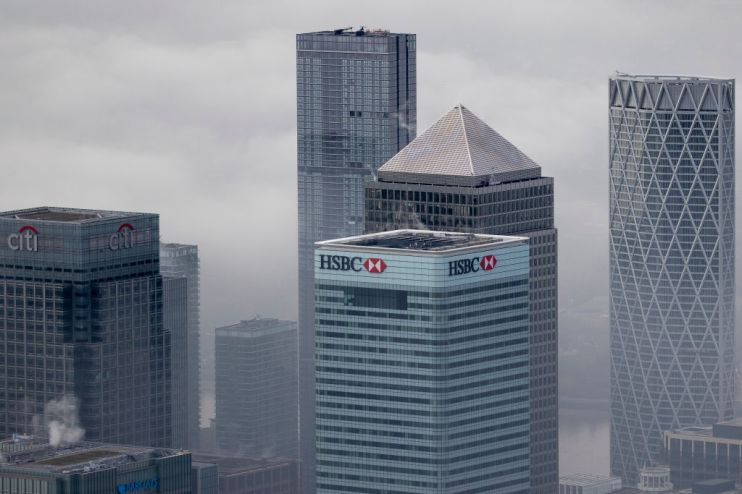
The third week of March proved to be a rollercoaster for the world’s investors, with a rout on banks and the spectre of inflation, recession and the growing cost of living making their presence felt.
These themes may indeed play on in future, so here are the five lessons we’ve learned from the markets this week.
One: The only sure bank is the central bank
Central banks, or rather the Swiss National Bank came to the rescue this week as banks caught a cold from last week’s collapse of Silicon Valley Bank which triggered a rout of banking stocks on both sides of the Atlantic.
This week it became the turn of embattled giant Credit Suisse when its main shareholder the Saudi National Banks sent shares into freefall after declaring it would not inject any more cash into the business. Robert Kiyosaki, author of “Rich Dad, Poor Dad” predicted Credit Suisse would be the next big bank failure; Kiyosaki had foreseen the collapse of Lehman Brothers back in 2008.
Credit Suisse shares were down almost thirty per cent at the trough before recovering after the Swiss National Bank lent it SFr 39bn. Susannah Streeter, head of money and markets at Hargreaves Lansdown, summed up the week’s events as a “hot mess in Europe”.
Two: The ECB only cares about inflation
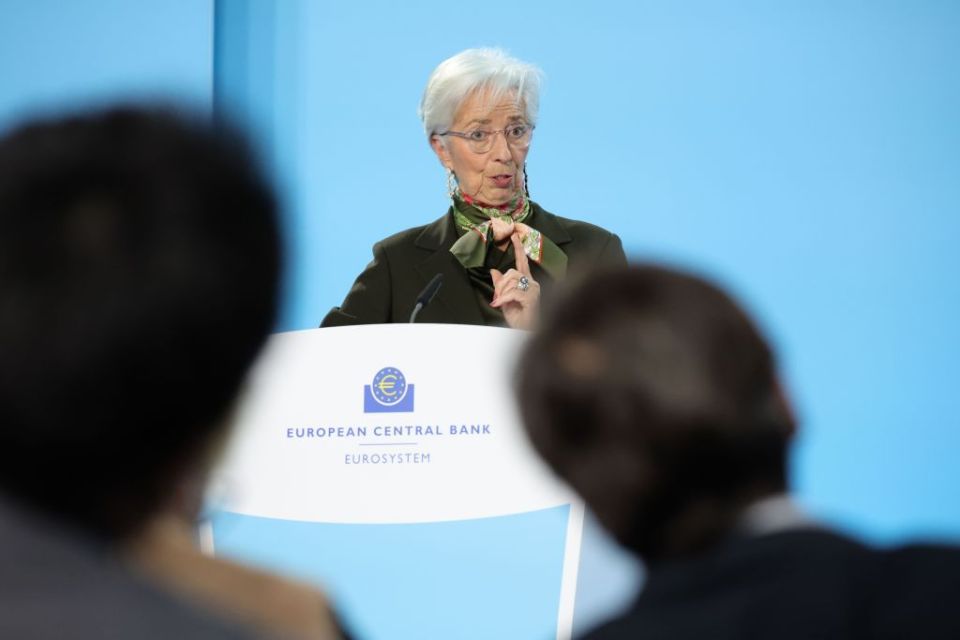
William McChesney Martin, former chair of the American Federal Reserve, famously said that the central bank’s job was to take away the punchbowl just as the party got going. The ECB, however, appears to wants to take away the bowl before the guests are even through the door.
The ECB hiked rates by 50 basis points yesterday, surprising analysts who thought it might shy away after the past few days’ turmoil. For now, the bank thinks getting a grip on inflation is more important than stimulating demand through easy money or keeping down the borrowing costs of big financial institutions. In a statement announcing the rate rise, the ECB said it was “monitoring current market tensions closely” but that the euro area banking sector was “resilient, with strong capital and liquidity positions”.
Three: Bonds and high interest = bad for insurers
London-based but Asia-focused insurer Prudential delivered a solid set of results on Wednesday, registering an eight per cent uptick in its operating profit and increasing its dividend.
Investors were nevertheless unimpressed, with shares down ten per cent now versus Wednesday morning. One reason for this is markets’ general gloom. Sophie Lund-Yates, head equity analyst at Hargreaves Lansdown, points to Prudential’s “minimal $1m exposure” to the collapsed Silicon Valley Bank in explaining part of the fall. Another is rising rates. New business profit fell by 14 per cent, worse than expected, after dearer money made financing Pru’s operations more expensive.
And investors fear that Pru’s bond-heavy portfolio is vulnerable, now that higher rates prompt investors to dump lower yield bonds in favour of products that can offer greater returns, reported The Times. Fears over bonds’ true value also hit rival insurers Phoenix. Silicon Valley’s Bank collapse, after all, followed a fire sale of bonds on the cheap.
Four: An end to fossil fuel dominance?
The FTSE 100 is referred to as an “old economy” index, referring to its heavy concentration of companies operating in mature industries like oil and gas, and to its relative lack of younger firms. BP and Shell are often seen as a manifestation of that maturity.
But this week their shares were down nine and 10 per cent respectively.
Fears for the stability of the financial system and the health of the economy dragged down the prices of oil and gas, bringing producers down with them. Polluting fuels are still very involved in economic growth but maybe markets are expecting we will need less of them. Higher interest rates also make it more expensive for BP and Shell to raise capital for investment and exploration.
Five: Budgets don’t always cause chaos
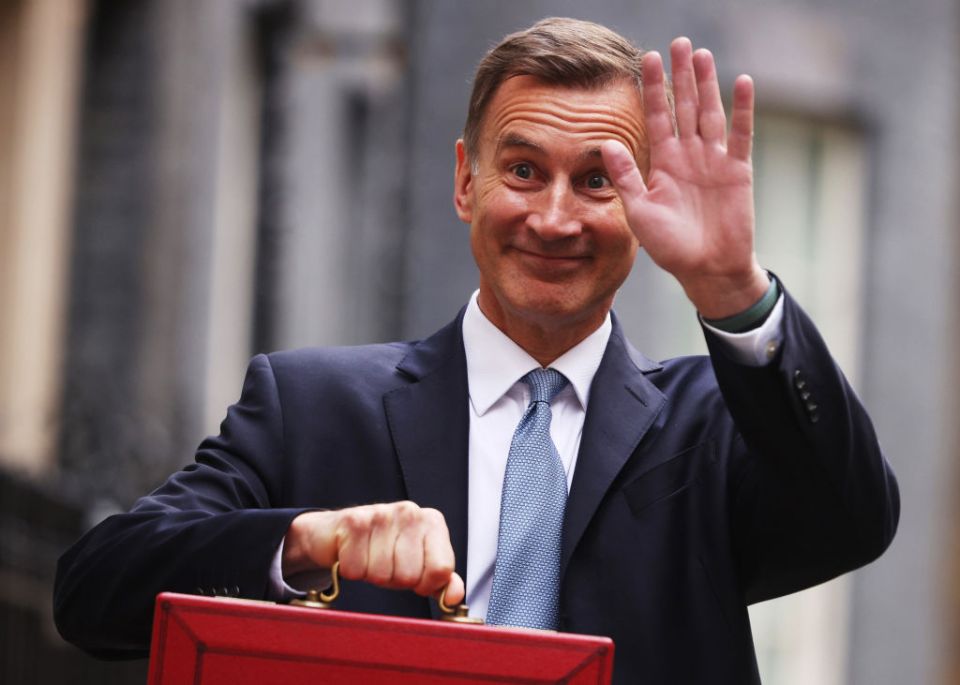
Chancellor Jeremy Hunt’s Spring Budget was big news if you need childcare or have a large pension pot but it did not make any mark on the FTSE 100.
The Chancellor announced incentive payments to get more people into childcare, help for benefits claimants to pay for childminding and the provision of 30 hours’ free childcare a week for households earning less than £100,000 a year and with children between nine months and three years old. He also abolished the £1.073m lifetime allowance for pensions.
From April 2024, no income tax will be paid on pension pots of any size, not just on those smaller than the newly abolished threshold. Good news for those who earn well.
The government hopes these changes will encourage parents into work and keep professionals working longer without the fear of ending up with a pension pot big enough to be taxed. But already Labour are promising to reverse some of the changes planned.