Skip to content
Tuesday 18 August 2026London --:--Frankfurt --:--Zurich --:--
NewslettersSearchEN · DE · FR
MorningWire

European business, markets and politics

FTSE 100
10,727.85
+0.07%
DAX
26,263.49
-0.29%
CAC 40
8,541.08
-0.45%
STOXX 50
6,500.26
-0.46%
  • Europe
  • Markets
  • Business
  • Economy
  • Regulation
  • Politics
  • Opinion
More
GermanyFranceEU InstitutionsCompetitionPublic AffairsBankingTechnologyEnergy
  • Germany
  • France
  • Europe
  • Markets
  • Business
  • Economy
  • Regulation
  • Politics
  • Opinion
  • DE
Monday 24 April 2023 11:12 am  |  Updated:  Monday 24 April 2023 5:09 pm

Banks must do more to tackle Post Office cash-based money laundering, warns FCA

By: Chris Dorrell

Add as a preferred source on Google
The FCA said banks have made “good progress” in improving safeguards but there is still more work to do.

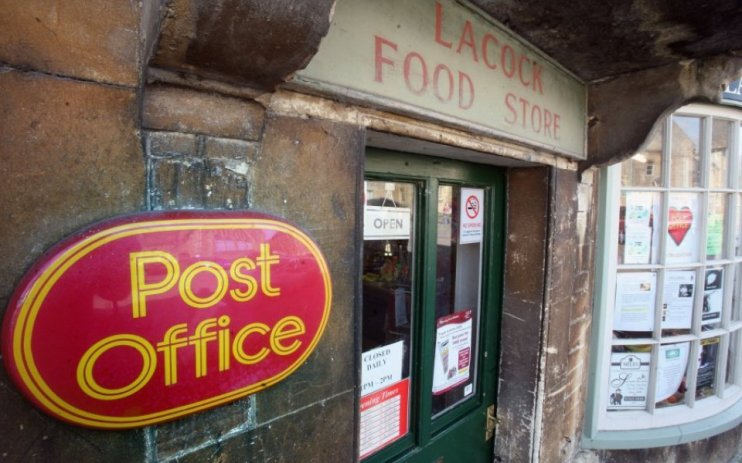
The UK’s financial watchdog “put banks on alert” as it announced a series of measures to step up the fight against money laundering through the Post Office. 

Tackling financial crime is a key objective for both the Financial Conduct Authority (FCA) and the government. Last month the government announced part two of its Economic Crime Plan, which included a clamp down on money laundering. 

The National Economic Crime Centre (NECC) estimates that hundreds of millions of pounds are lost through cash-based money laundering at the Post Office each year. 

The FCA said banks have made “good progress” but there was still more work to do.

Banks were asked to reduce the deposit limit at the Post Office to below the existing £20,000 limit per transaction and to upskill staff to spot patterns of suspicious activity and improve intelligence sharing. 

The FCA expects banks and the Post Office to keep controls under review. It will also test the safeguards put in place, including whether firms have taken steps to protect access to cash at the Post Office for legitimate customers. 

The regulator also asked banks to strike a delicate balance between tightening controls while allowing legitimate customers to use Post Offices for everyday banking.

Why is the Post Office a focus for money laundering?

Post Offices are becoming an increasingly important source of cash as bank branch closures continue in 2023. The FCA said it was “vital” that money laundering protections do not “get in the way” of legitimate customers and businesses accessing services at the Post Office. 

Sheldon Mills, executive director of consumers and competition at the FCA, said: “We have worked in partnership with law enforcement, industry and government to ensure people and businesses can still draw on the vital cash banking services provided by the Post Office, while addressing gaps that criminals could abuse.”

A Post Office spokesperson said: “ Legitimate customers should not be unfairly penalised by having to travel many miles to city or town centre bank branches and be excluded from the essential local provision of cash and banking services that Post Offices provide.

“While we are pleased with the measures announced today, there remains much more for the industry to consider, including a proper exceptions process to verify customers, as well as individual account checking by banks to further exclude money-launderers, while enabling bank-approved customers to use Post Offices’ vital services.”

Read more

Revealed: Natwest banked company used by MFS founder to ‘siphon off’ funds

Hand holding a NatWest debit card with a colorful design, blurred NatWest logo in the background.

Share this article

  • Facebook
  • X
  • LinkedIn
  • WhatsApp
  • Email

Similarly tagged content:

Sections

  • News

Categories

  • Banking

Related Topics

  • financial crime
  • money laundering
  • National Economic Crime Centre
  • Post Office

Trending Articles

  • As it happened: FTSE 100 drops as oil prices rise after Trump makes Hormuz threat

  • US bond market jitters spark UK economy recession warning

  • Aldi boss wades into supermarket ‘price-gouging’ row

  • Monzo chair makes early exit after boardroom rift

  • New Premier League rules could see £11bn invested into new stadiums

More from Morning Wire

  • Revealed: Natwest banked company used by MFS founder to ‘siphon off’ funds

    Banking
    Hand holding a NatWest debit card with a colorful design, blurred NatWest logo in the background.
  • Santander Financial Crime Transformation Leader Joins ThetaRay to Drive Enterprise AI Adoption

    Business Wire
  • Banning vape shops won’t fix scuzzy high streets

    Opinion
    High street vape shop Ecigwizard next to Costa Coffee and Subway, with people walking and sitting outside.
  • FCA boss takes aim at motor finance lenders and claims firms

    Banking
    The FCA laid out the next steps for its motor finance redress.
  • Exclusive: Government to reject Reform’s offer to cover Farage by-election cost

    Politics
    Nigel Farage speaking at a podium, dressed in a suit, addressing an audience at a business conference event
  • Kemi Badenoch’s economic revolution could set the City free

    Opinion
    Kemi Badenoch will push to restore the Tories' economic credibility in the eyes of the public in a key speech.
  • Investor visa proposed by Labour-aligned think tank

    Politics
    Skyline of Canada with iconic financial district buildings, highlighting UK investments and economic growth.
  • City trading ‘higher than thought’, FCA believes

    Markets
    GettyImages 2211256637 showing a significant event or figure relevant to recent news updates in the business sector
MorningWire

Independent European business, markets and political news for decision-makers.

Morning Briefing

Europe

  • Germany
  • France
  • EU Institutions
  • Europe

Business

  • Markets
  • Business
  • Economy
  • Regulation
  • Competition
  • Public Affairs

Editorial

  • Opinion
  • Editorial Policy
  • Corrections
  • Contact

Company

  • About Morning Wire
  • Privacy Policy
  • Terms of Use
  • Cookie Policy
© 2026 Morning Wire Ltd · Published by Morning Wire Media, Bahnhofstrasse 65, 8001 Zürich, Switzerland
Privacy · Terms · Cookies · Facebook