Boosting renewables is the best way to just stop oil, says Octopus Energy boss

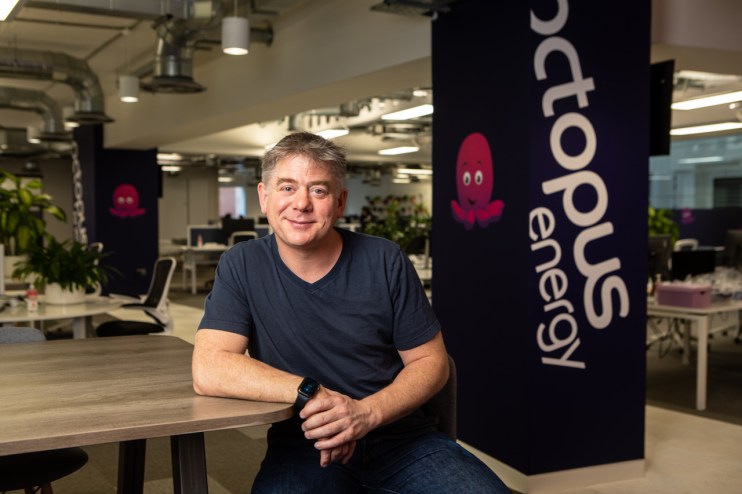
The best way to slash the UK’s reliance on fossil fuels is to accelerate the transition to renewable energy, argued the boss of Octopus Energy, amid sustained protests from activist groups such as Just Stop Oil.
Greg Jackson, Octopus’s chief executive, called on the government to ramp up renewable energy generation and to cut the red tape obstructing the push for cheaper, cleaner power such as boosting onshore wind developments and faster grid connections for projects.
He told Morning Wire that renewable energy generation has to be increased to ensure it can meet growing energy demand, and provide households with a better alternative to fossil fuels – which they willingly choose.
“We need to escape from fossil fuels over time, and we’ve got to accelerate that move. If we’re going to ask society to stop using fossil fuels, we have to make the change an upgrade for people. We can’t ask people to make massive sacrifices – instead, we have to work relentlessly to make this a better path,” Jackson said.
Octopus is the UK’s third biggest energy firm, home to nearly 5m customers following its recent takeover of fallen rival Bulb Energy.
Just Stop Oil has been disrupting public events such as the Chelsea Flower Show and Rugby Union Premiership Final most recently, and has previously vandalised artwork including Vincent van Gogh’s iconic Sunflowers painting in the National Gallery, while frequently bringing London’s traffic to a near standstill with slow marches.

The topic has become increasingly political, with one of Labour’s financial backers, Dale Vince – founder of energy firm Ecotricity – having donated money to the activist group.
This has drawn the ire of the Conservatives, who have called on Labour to hand back his money.
Jackson noted that while Just Stop Oil is currently making headlines for its activism, intrusive protests had also been held in the past by truck drivers protesting against petrol levies.
Commenting on solutions, he said: “We need to deal with the connections queue so we can build more renewables. If we build more renewables, we will stop fossil fuels in a way that is good for everyone. I don’t particularly have a view on the campaigners, but what I do have a view on is the solution. We need to keep building renewables and make them better for people.”
| Energy source | Generation capacity | Generation target | Date |
| Onshore wind | 14GW | 50GW | 2030 |
| Solar | 17GW | 70GW | 2035 |
| Nuclear | 7GW | 24GW | 2050 |
| Hydrogen | <1GW | 10GW | 2030 |
Octopus: Onshore wind a litmus test for the UK’s green ambitions
The government has ambitious targets for boosting renewable generation in its energy security strategy, unveiled last year after Russia’s invasion of Ukraine – with a growing focus on domestic supplies.
This includes 50GW for offshore wind by 2030, 70GW of solar power by 2035 and 24GW of nuclear power by 2050.
However, it includes no targets for onshore wind – which remains in a de-facto moratorium where even minority objections can extinguish projects. Just two new turbines last year were hooked to the grid in England – fewer than in war-torn Ukraine
Currently, the government is consulting on how to ease planning rules to make it easier to build new turbines, including the prospect of providing compensation for people living near new structures – which Octopus supports.
Octopus has been working with local communities through its ‘Windr’ programme to connect pro-wind turbine communities with their projects.
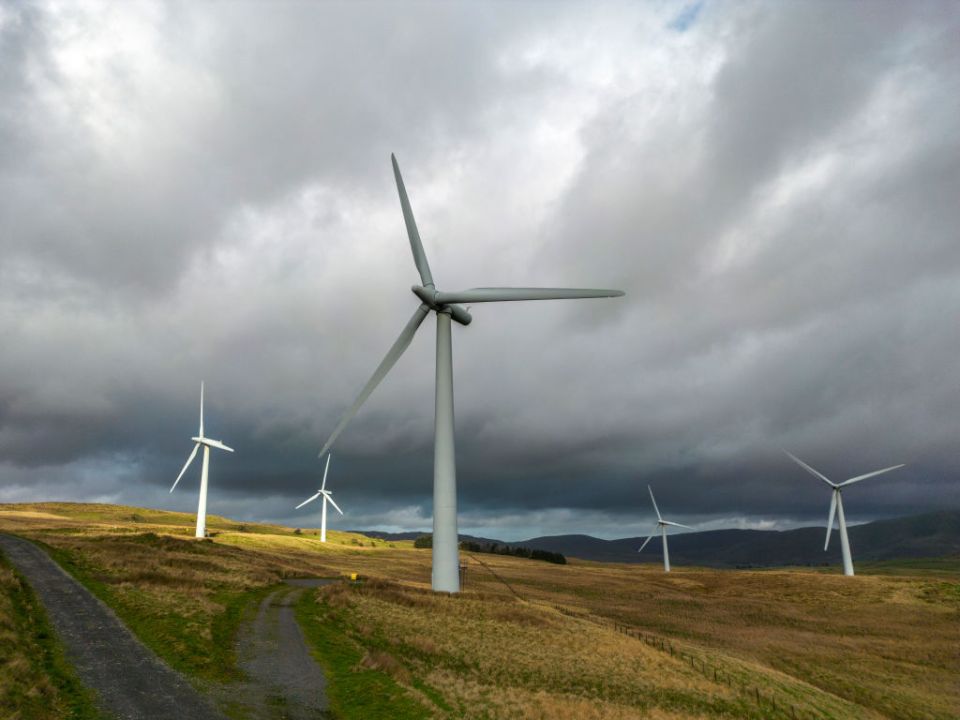
Jackson argued the polling shows onshore wind is “crazily popular” – with support of over 80 per cent in polling when people are told it will help bring down energy bills.
He said: “I think it’s a crying shame that for example, in Germany, they could build five liquid natural gas terminals last year, which is great. But in Britain, we can’t even build onshore wind farms. If we can put onshore wind farms where people want them and connect them to local communities, we could bring the cost of power down within months, whilst being renewable.”
“If I were in a run-up to an election, I think I’d probably allow it where people want it,” he added, referencing the upcoming ballot – expected next year – with the Tories still nearly 20 points behind in the polls.
He also praised the latest developments around the UK’s energy grid, with the country’s electricity system operator announcing plans to allow developers to make their own connections to the grid.
If we can put onshore wind farms where people want them and connect them to local communities, we could bring the cost of power down within months, while being renewable.”
Greg Jackson, Octopus Energy chief executive
This follows his previous calls for third parties to be allowed to operate on the grid, amid the long waiting times in queues for new energy projects – with developers sometimes waiting over a decade to hook projects up to the grid.
“In the same way that monopolies held back the internet and the UK for so long and held back fibre, what we need is competition at every level of the grid. We need to recognise that there’s nothing mystical and magical and special about the grid. It’s a series of technical standards, which companies around the world can manage. Without competition, it’s hard to see how we can make the overhaul to the system that we need,” the Octopus boss said.
In Jackson’s view, the UK and its European allies in the EU could compete with the vast subsidies of the US’s Inflation Reduction Act if their markets proved themselves to be agile and bereft of the logjams and red tape that frustrate projects, so that companies such as Octopus could build new wind turbines.
“Of course, subsidies can help achieve stuff, but unplugging the bureaucratic barriers, creating the ability to deploy tens or hundreds of billions of private capital that we’ve got sitting there is actually a great way to compete with US’s Inflation Reduction Act. It will be great for consumers,” he said.
The government has been approached for comment.