Britain’s inflation problem isn’t global – it’s made in the Treasury

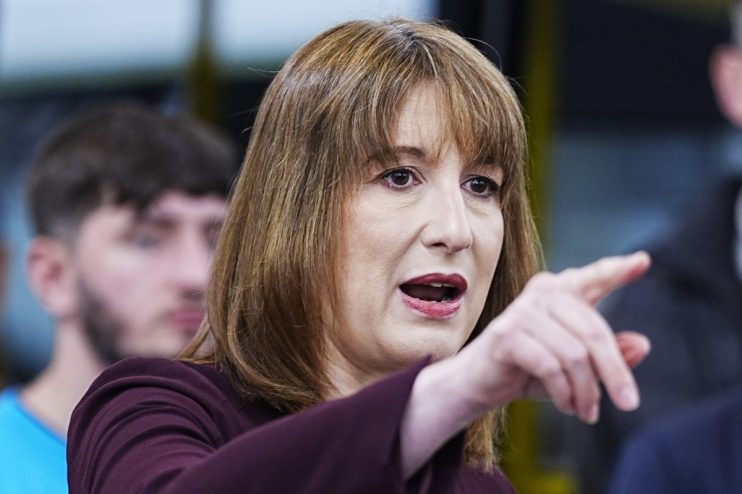
Reeves can’t keep blaming the last government or global headwinds for doubling inflation – it’s a result of her own policies, says Gareth Davies
When the Conservatives left office in 2024, Britain was emerging from an incredibly challenging chapter in our history. Together we navigated the pandemic, the war in Ukraine, subsequent supply-chain shocks and extreme energy-price volatility. It was a monumental national task to rein in inflation.
All of these challenges were global in origin. Every advanced economy wrestled with the same forces. The impact was profound, with commodity and energy inflation spilling into transport, food prices and rents. It was tough, but in the end we saw inflation in the UK fall from a peak of 11 per cent to the two per cent target by the time of the General Election.
That achievement perhaps came at a political cost. We wanted to implement fiscal measures in the 2024 Budget that would have been welcomed by families and businesses, but because they were deemed inflationary by officials and the OBR, we put them on hold. Containing inflation became a key priority, because higher inflation means higher-for-longer rates, which hold back business activity and increase mortgage costs.
Fast forward to today, and inflation is now back up to nearly double the level it was at the time of the General Election. Headline inflation has been steadily increasing since Labour took office and, according to Rachel Reeves, everyone else is to blame. She has consistently cited global factors driving inflation – when it’s not the fault of the “nasty Tories”, of course. To be sure, one must accept that shared global shocks – surging wholesale energy demand, supply disruptions, and broader commodity inflation – remain real headwinds. But when we compare Britain to its peers, the gap is striking. Both the OECD and the IMF forecast that the UK will have the highest inflation in the G7 – we are clearly an outlier.
This is no coincidence. Global factors will always affect a large developed economy, but the job of Treasury ministers is to plan and prepare for such events, not make matters worse. More so than many of our peers, the UK is now dangerously exposed to global shocks because of the domestic economic policies pursued by this Chancellor.
The Bank of England may set interest rates, but the Treasury’s decisions on spending, borrowing, and taxation shape demand and cost pressures across the economy
Many question what role the Treasury could play in tackling – or indeed exacerbating – inflation, when clearly the most prominent lever, monetary policy, sits with the Bank of England. The previous government understood and proved how this theory was misguided, but Rachel Reeves is determined to relearn this lesson the hard way. The crux of the problem we now face is the current misalignment of fiscal and monetary policy. Central banks cannot single-handedly anchor inflation when fiscal policy keeps the engine running hot. The Bank of England may set interest rates, but the Treasury’s decisions on spending, borrowing, and taxation shape demand and cost pressures across the economy.
From the very start of their time in office, Labour’s policy mix – taken by choice by Rachel Reeves – has been stocking cost pressures. Billions of pounds have been borrowed to pay off the unions with double-digit public-sector pay deals. Then there are the multi-billion-pound tax rises, such as higher National Insurance Contributions, which the IFS made clear would be passed on to working people through higher prices and frozen wages. Even the 16 per cent tax rise on air passenger duty showed up in recent inflation data, with sharp increases in air fares pushing up headline inflation. And all at the same time, energy bills continue to rise for households and industry, despite Labour’s promise during the election campaign to bring them down by £300.
Global forces
So as long as the Chancellor blames global forces for our current woes, she is not facing up to the impact of her own domestic policy choices. This matters because it raises the cost of living for households and the cost of capital for business. If inflation becomes entrenched rather than temporary, the Bank of England is forced to keep policy rates higher for longer. Its own forecasts already suggest inflation will not fall back to two per cent until mid-2027. That drags on mortgage affordability, business investment, and the broader productivity agenda.
So as we examine yesterday’s data, we should acknowledge that global factors are real, but ultimately this government’s decision-making is fuelling cost pressures and setting Britain out of sync with our peers.
The Chancellor has been out again in the last 24 hours showing her allergic reaction to accountability, breaking out in excuses for this latest economic setback. She needs to get a grip, recognise the misalignment between fiscal and monetary policy, and act accordingly.
Gareth Davies is MP for Grantham and Bourne