Brits told they should brace themselves for even higher food and drink prices

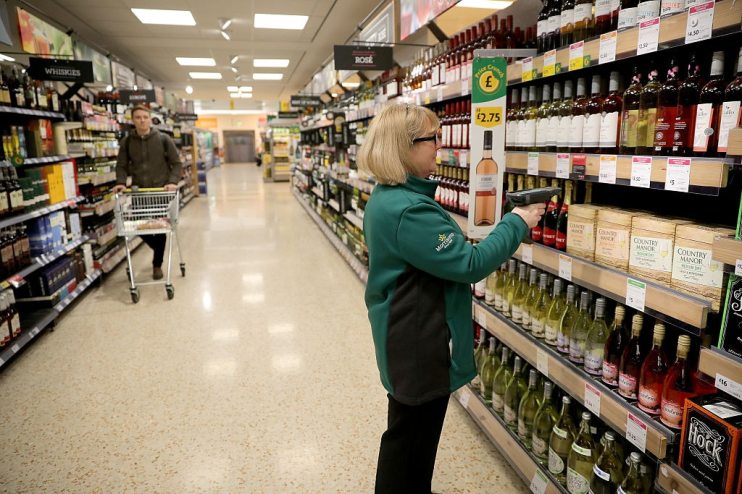
Food and drink prices are expected to climb even higher than previously expected – with meat, fruit, vegetables, dairy and bread seeing the biggest increases, a new forecast has suggested.
The rate of food price inflation will reach a peak year-on-year of between 17 per cent and 19 per cent in early 2023, the Institute of Grocery Distribution (IGD) said.
This is up from its previous forecast of a peak of between 14 per cent and 16 per cent.
The latest predicted rise was described as a “fairly daunting prospect” by James Walton, chief economist at the grocery insight provider.
He told MPs on the Environment, Food and Rural Affairs Committee that it is not just the poorest households struggling with rising prices.
Speaking during an afternoon session in Parliament yesterday, Walton said: “Our shopper research shows that food stress is becoming increasingly prevalent in the UK not just amongst the least well-off households, but actually amongst households further up the income ladder.”
The IGD said the rate of food price inflation will slow over the subsequent 12 months from January, but will likely remain above zero at the end of 2023.
Shoppers are switching from fresh to frozen products, and buying less ready-meals in a bid to manage their “basket inflation”, Andrew Opie, director of food and sustainability at the British Retail Consortium (BRC) said.
He told MPs: “We’re seeing people changing their shopping habits, just to try and make their household income go a little bit further than it would do normally, if they had just continued to buy the same product.
“So shifts out of fresh into more ambient frozen products, for example. Maybe things like less ready meals, more cooking from scratch than we’d seen before.
“And also less eating out potentially going forward. So people eating more in the home, so more of a home focus, but an absolute focus on household budgets.”
Opie said every effort has been made to keep prices down for consumers but described the current situation as a “crisis moment” for some people.
He told the committee: “I don’t want to overegg it but this is a crisis moment for some people at the moment. We have people coming into stores with a certain amount (of money) and they’ll go to a self-service till because they’re embarrassed to go to a till, run out of money and have to put goods back that they’ve got in their basket. That is what we’re facing into at the moment.”
He also referred to “terrible stories” of people turning fridges off overnight to try and save energy.
“We’re also seeing changes in their cooking habits, because people are so worried about their energy bills, for example, their kind of long use of cookers, even, you know, terrible stories of people for example turning their fridges off overnight and things like that,” he said.
‘Major changes’
The IGD said it had issued its revised forecast for food price inflation this week due to “major strategic changes” which have affected the food supply chain since June.
Its previous forecast, issued that month, calculated that food price inflation would likely accelerate until this autumn, peaking at 14-16%, then dissipate by the middle of next year.
The organisations said a tight labour market, continued supply chain disruption and the ongoing war in Ukraine had all contributed to the new, more bleak forecast.
In an earlier session with the committee, Minette Batters, president of the National Farmers Union (NFU) said producers are facing “an extraordinary situation” with pressures including the UK’s largest outbreak of bird flu which is affecting poultry, a “double whammy of challenges of access to labour but also rising energy costs, rising wage costs”, the impact of the ongoing war in Ukraine and “huge volatility in general in the gas market”.
She said: “It’s an extraordinary situation and I think whoever you speak to, certainly whoever I speak to, says that they have never witnessed anything like this at any time in living memory, so it is unique.”
She said while the Government’s energy bill relief scheme has been appreciated, there must be efforts to drive down inflation and “put our arms around production collectively”.