Business confidence climbs on consumer spending power

Business confidence has risen to its highest level since March, as resilient consumers shrug off the impact of the Iran war and Budget-related speculation is kept to a minimum.
According to the Lloyds Business Barometer, confidence among British firms rose four points in August to 53 per cent, the highest reading since the outbreak of conflict in the Middle East and higher than 12-month average.
Optimism in the health of the wider economy also rose to 49 per cent, a jump of some seven points. As many as 64 per cent of bosses surveyed by the lender reported feeling optimistic about the state of the UK, and those that felt pessimistic slid to 15 per cent.
“Businesses are reporting stronger customer demand, greater optimism about the wider economy and growing confidence in their own trading outlook,” Amanda Murphy, chief executive of Lloyds’ commercial arm.
“While businesses continue to operate in a challenging environment, easing cost pressures and fewer firms expecting to raise prices in the coming year should allow them to focus less on managing headwinds and more on pursuing growth.”
The jump in confidence comes even as Donald Trump’s campaign in Iran stretches into its sixth month. The Strait of Hormuz – a vital shipping lane for the oil and gas trade – has remained shut for most petrochemical exports throughout the conflict, pushing up energy prices and choking off supply of other vital goods like fertilizer.
Researchers attributed higher confidence levels to robust customer demand, which has held up despite higher energy prices and the impending risk of a resurgence in inflation. On Wednesday, regulator Ofgem confirmed that household energy bills will rise by as much as four per cent from October, their highest level in three years. And since the start of the year, Brent crude has climbed by more than 40 per cent.
Price rises has have been especially acute in refined oil products like diesel and kerosene – used as jet fuel – the cost of which doubled practically overnight after Donald Trump’s first strike on Iran.
Companies’ trading outlook jumped two points to a three-month high of 58 per cent, according to the barometer. And two thirds of firms expect an increase in output over the year ahead. The number of firms expected to raise prices in the next year also fell by three per cent to just over half.
Business confidence levels have been improving across several closely followed surveys, in a departure from previous summers when rampant Budget speculation has eaten away at delicate private sector morale and undermined investment.
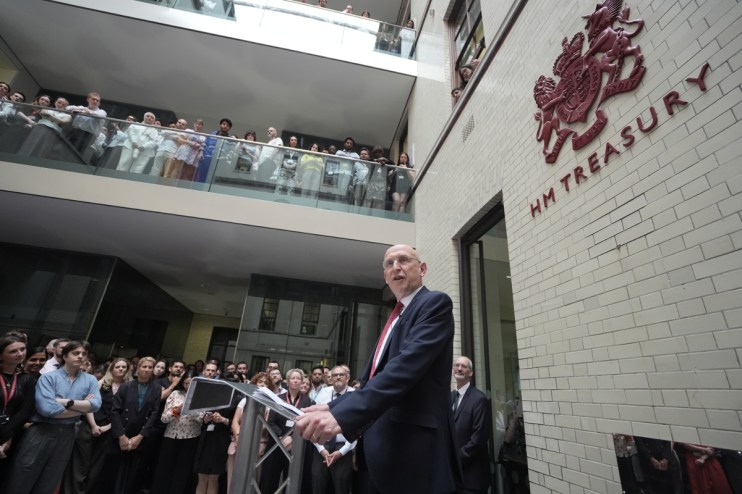
New Chancellor John Healey has so far opted to keep a lid on rumours about which taxes might rise at his maiden fiscal event in October, despite the fiscal picture suggesting that a higher tax burden is likely.