Business has a moral duty to tackle the scourge of human trafficking — starting with supply chains

The impacts of this pandemic have been countless and varied — from health to the economy, education to technological development.
But one tragic side effect of Covid-19 has sadly too often gone unspoken: an increase in instances of human trafficking and forced labour abuses taking place amid the disruptions to global supply chains.
According to the International Labour Organization (ILO), human trafficking is a $150bn industry, with most of this money generated through sex trafficking. The second largest portion of human trafficking is related to forced labour, also known as modern day slavery.
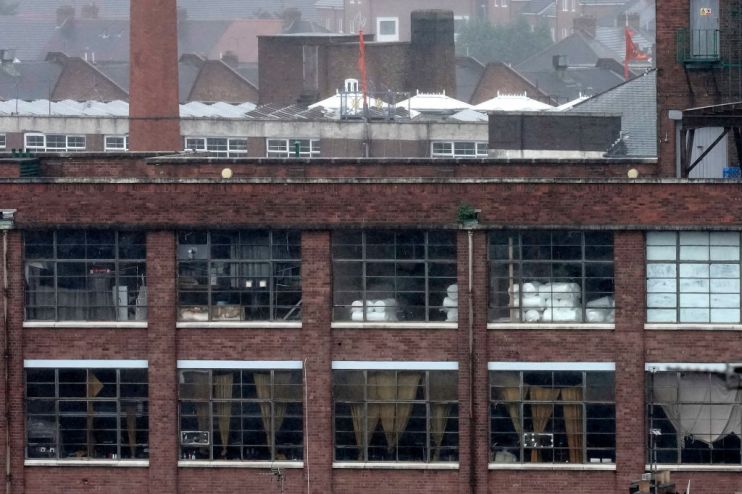
The investigation into working conditions at Leicester factories is perhaps the most prominent example of shocking working conditions and slavery practices this year. But it is far from the only one. The appalling practice continues, and through our Supply Chain Risk Exposure Evaluation Network (SCREEN) intelligence we have recorded multiple instances of human trafficking in supply chains over the first half of the year, and a significant increase in the number of migrants entering Europe in June and July.
This trend is inherently tied to the pandemic and its economic impact. Weakened economies force more migrant workers to travel, increasing risk to vulnerable people. Meanwhile, large numbers of migrant workers in Asia in particular are now unemployed, and may be stranded away from home.
Migrants worldwide remain highly susceptible to labour exploitation, with the lack of legal protections and economic opportunity in host countries creating impossible situations. The absence of official citizenship, particularly in cases of labour trafficking, also exacerbates the risk of exploitation, as migrants are at many times unable to register official complaints.
This year, 48 per cent of the labour rights violations we recorded involved migrants, up from 42 per cent last year. Of these incidents, over half involved forced labour conditions — again an increase on last year’s figures.
For UK businesses, tackling the issue of human trafficking in supply chains is an imperitive. And it starts by identifying at-risk suppliers and then proactively taking steps to reduce the risk.
The most at-risk categories in Europe and Asia remain informal, seasonal industries such as agriculture or textiles. Labour is exploited within a limited period, allowing for easier concealment by employers.
A key practical step to mitigate against abuses of this kind is addressing how suppliers work with recruiters. In questioning the recruitment process, companies should examine how workers arrived at this location, what the process was, and what role a recruiter played.
This includes properly qualifying recruiters, tracking how they communicate terms of employment to workers, how workers are on-boarded, and whether suppliers understand if workers are charged fees.
It also involves understanding how workers are engaged in their countries of origin during the recruitment process, and if they can raise concerns once employed. This level of due diligence by suppliers is uncommon, but closer attention to the recruitment process is a practical, proven approach to tackling the evil of human trafficking.
Companies at the front of the fight against modern slavery are taking this a step further, and investing in their key suppliers in high-risk areas to eliminate recruitment fees completely.
Such steps will help create greater awareness of the issue of human trafficking and bring about the much needed change to eliminate the practice.
As the Leicester scandals showed, this is a crime that hides in plain sight and can tarnish even the most well-meaning of brand with the stain of modern slavery. Businesses may think they have their hands full with adapting to the post-Covid landscape, but this is a challenge they cannot afford to ignore.
Main image credit: Getty