Can CEO Rishi Sunak turn the Conservative party around in time for an election?

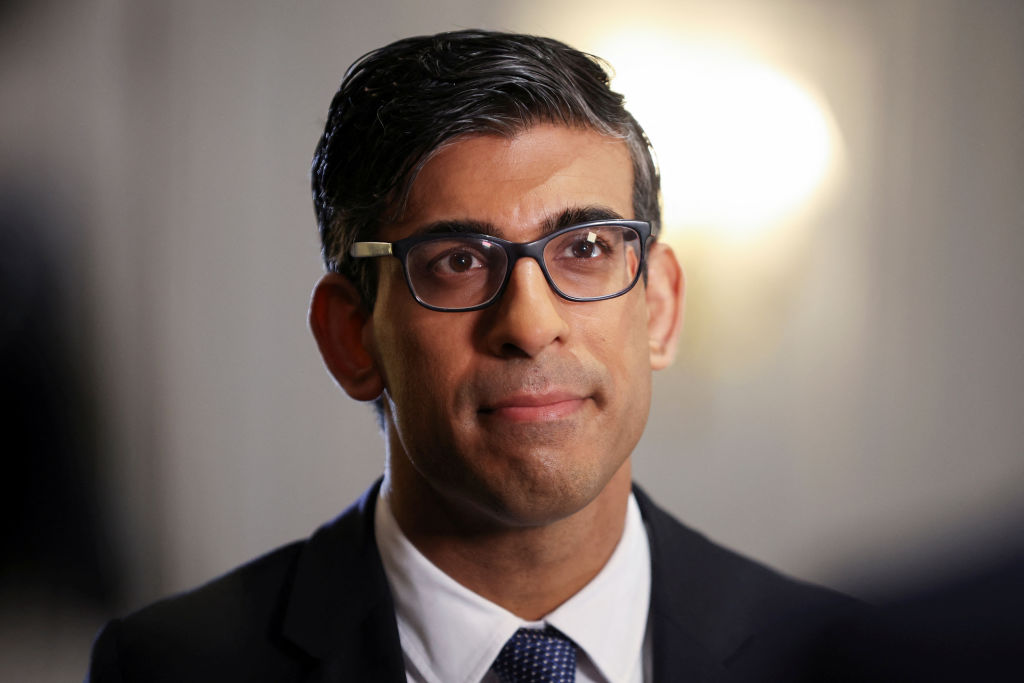
Rishi Sunak has billed himself as a quiet competent manager, the CEO of Britain, in a bid to turn the Conservative Party’s prospects around, writes John Oxley.
It is almost six months since Rishi Sunak became Prime Minister, and while he has outlasted his predecessor, it remains to be seen whether he can turn around the problems his party, and the country, face. At least, after half a year, we have a sense of how he intends to lead: as Rishi Sunak, Chief Executive Officer of the UK.
This model is hardly surprising for a man who made his career first at Goldmans and then at hedge funds; now he has taken an approach of calculating competence into Downing Street. We are told he has infused government with the language of management – setting his ministers quarterly goals and performance reviews, seeking to build a new spirit of delivery within politics.
It certainly marks a change from his predecessors. Truss’ tenure was almost too brief to establish anything and Boris’s time in office was perennially chaotic. Even accounting for the disruptions of Brexit and Covid, he rarely seemed to have things in hand. Ministers were appointed and promoted for loyalty, not ability, and the government seemed determined to govern by announcement rather than achievement. Its biggest success – the vaccine rollout – was largely handed-off to figures outside of politics.
By contrast, Sunak appears to be delivering. His Windsor Framework has brought some closure to the running sore of the Northern Ireland Protocol, reaching accord with the EU and passing parliament with only a minor rebellion. Equally, the economic forecast is starting to improve. The question is whether this can continue, and if it will be enough to save the Tories from defeat.
Those around the party leader believe there is a path to victory in quiet, competent government. A chance to refresh the Tories once more and sneak through a fifth successive election in power. This relies on tackling the major issues facing the country and doing so well. Sunak must be clear on his own objectives and how to hit them.
The economy is an obvious one: no governing party has recovered from a recession. While the OBR now predicts we will avoid a technical recession, the cost-of-living crisis continues to bite, and even if inflation drop back, prices will still be significantly higher than when he took charge.
On top of this, he has staked his reputation on stopping the small boats. This is an evocative issue for conservative leaning voters, and a real mark of difference between the Tories and Labour. Yet it will not be easy to achieve. Much of the plan, including the use of deportation to Rwanda, will face a raft of legal and logistical challenges. If he fails to achieve it, the government could face the double hammer of looking both cruel and incompetent.
At the same time, the Tories need to control the unravelling public services. Ongoing disputes with a variety of unions, including teachers, doctors and nurses, put their post pandemic plans at risk, and heighten a general malaise in government provision. Entering an election year with disrupted education and stubbornly high waiting lists would make an almost impossible electoral challenge.
Sunak took on the premiership as a distressed purchase. The challenges ahead of him were enormous, and so far, he has only been able to chip away at them. He has now had the time to establish his style of government and align his top team – but there are meaty problems to tackle, which require more than polished slide decks and punchy objective setting. It’s hard to transform anything if the fundamentals are against you.
Just as difficult for CEO Sunak is his fight with the Tory brand. The last couple of years has damaged the party’s image immeasurably. They are now polling consistently in the mid-20s and have become totally alienated from certain groups of voters – most notably the under-40s and women. If people no longer trust you, it’s hard to win them back no matter what you are offering, and it’s not possible to completely rebadge and relaunch a political party.
Many with Sunak’s background have made their names turning around companies that have slid through chaotic leadership and missed targets. His initial pitch to the party was based on his competent managerialism, and six months in he has laid the foundations and chalked up some quick wins. With the general election around four quarters away, it’s time to see if CEO Sunak can do the same, or simply caretake long enough to offload it on to the next volunteer.