Can nostalgia save Topshop?

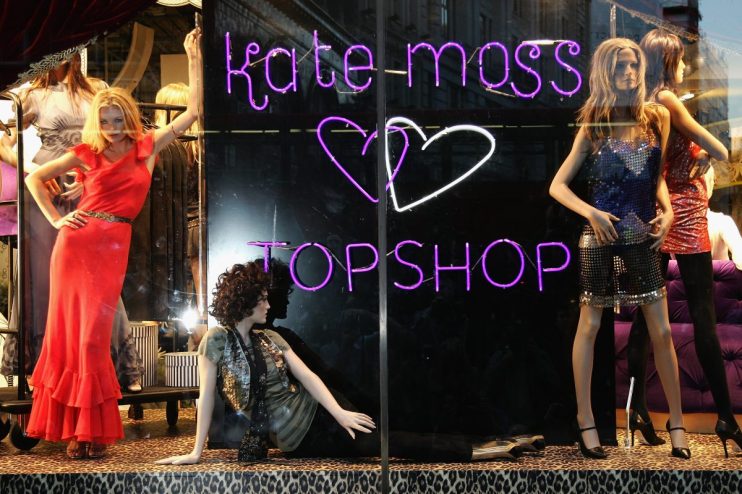
With Topshop set to return to the high street next week, Becky Mailen asks whether nostalgia alone will be enough to save the beleaguered brand
Topshop was the reason you came to London. You saved up your Christmas money, got on the coach and strode down Oxford Street into the mind-blowing space that was Topshop. It was everything retailers still aspire to be today: aspirational yet accessible, trendsetting but not intimidating, immersive, desirable, shoppable and always busy. It was the destination.
And then it all changed. Those of us who loved it grew up. And with that, Topshop began to fade away.
But now, it’s back. The brand that once defined high-street fashion in the ’90s and ’00s is returning to bricks and mortar, with news yesterday confirming the brand will make its return to the high street next week with a boutique inside Liberty.
The question is: can nostalgia breathe life back into the brand and the high street – or does today’s shopper demand something more?
Nostalgia can only take you so far
Nostalgia is powerful and it has driven the resurgence of vinyl and Y2K fashion. Topshop undoubtedly has cultural capital to draw on, but sentimentality alone is not a business plan. Lean too heavily on its heyday and Topshop risks becoming a throwback rather than a trailblazer.
The opportunity lies in balance: using nostalgia as the emotional hook while creating a shopping experience designed for 2025. That means asking: what role should a flagship play in people’s lives today? And how can it resonate with younger generations already deeply connected to other brands and hardwired to shop online?
The evolving role of the store
Shops can no longer rely on product alone. They must earn their place by offering what online never can: connection, culture and community.
Liberty London has shown how. By blending heritage with curated experiences, from immersive fragrance lounges to exclusive collaborations, it has carved out a role as more than a store. It is a cultural destination.
Topshop has the chance to do something similar: a space where fashion meets music, beauty, design and play. A place where people come not just to shop, but to discover and immerse themselves.
The old Topshop won’t cut it
The real risk is assuming shoppers want the Topshop of old. Today’s consumers are more discerning: digital-first, environmentally conscious and looking for meaning alongside style.
Replication is a dead end; reinvention is essential. Imagine style bars where shoppers pair products and get peer feedback, make-up testing stations that encourage experimentation and safe spaces designed for self-expression.
Services such as clothing repair and personalisation bars (see Uniqlo for instance) could become standard. Likewise, events that platform emerging designers would keep the brand culturally relevant. Sustainability and ethics must be built visibly into the store environment. These are not optional extras; they are the experiences and values that define today’s shopper.
What does the future of the high street look like?
The high street cannot be revived through nostalgia alone. Its future depends on relevance. Retail spaces must shift from transactional outlets to cultural anchors, places that tell stories, spark connections and add genuine value to everyday life.
People need freedom to explore; how to pair pieces, use products, try hair styling, even experiment with DJ mixing. Topshop was once a ‘coming of age’ magnet, a place where experimentation and self-discovery weren’t just accepted, they were encouraged.
Today’s teenagers, and even those in their twenties, deserve spaces like that: places with no stupid questions and no wrong answers. Access to what’s cool, without it feeling prescribed. That balance is rare, and Topshop may have been the only brand to truly master it in the past. The challenge is whether it can do so again.
Topshop’s comeback could be an important signal of change. But only if it resists recreating its past and instead reimagines what a fashion destination can be. Nostalgia might tempt people through the door once. Relevance is what will bring them back.
Becky Mailen is client services director at experiential design agency I-AM