As chief execs traverse the world of sustainability, they must keep investors onside

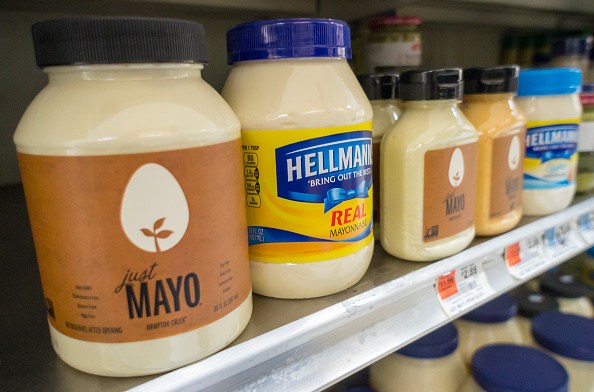
Mayonnaise. The humble condiment is now at the centre of a broader debate about the purpose of business. Last month, Fundsmith’s Terry Smith argued Unilever “had lost the plot” for attempting to define the purpose of Hellman’s. While Smith’s comments on sandwich fillers grabbed headlines, the more revealing point made by Smith was that Unilever had become “obsessed with publicly displaying sustainability credentials at the expense of focusing on the fundamentals of the business”.
Though it’s an easy thing to say, it is also tautological. The idea that you can separate business fundamentals from sustainability crumbles when it meets reality. A sustainable business is one that is able to maintain itself over time; a kind of business that will appeal to any sensible investor.
When it comes to assessing and appraising companies, the world’s largest asset managers are now putting sustainability concerns front and centre. Blackrock is driving the transition to a net zero world through its portfolio, while Aviva Investors says it will vote to remove company directors if they don’t prioritise issues such as biodiversity and human rights.
Business leaders are being rewarded in monetary terms when they recognise the importance of sustainability credentials. B Corps, companies that meet the highest standards of verified social and environmental performance, consistently outperform their peers. Between 2017 and 2019, B Corp SMEs’ mean average annual turnover growth was 24 per cent– compared to an average of 3 per cent for all SMEs.
In 2018, Unilever’s Sustainable Living Brands – those taking action to support positive change – grew 69 per cent faster than the rest of its business, up from 46 per cent in 2017. If there are performance issues at Unilever, then it’s not to do with their purpose-led brands.
But, to give Terry Smith his due, he might have a point when it comes to how companies communicate their purpose and create a foundation of sustainability. The business world has become awash with companies talking up their sustainable credentials, without embedding them internally in a way that ensures robust, long-term returns.
Many of the world’s largest companies are falling short of their claims to cut carbon emissions, according to the NewClimate Institute. Business leaders must be honest about the challenges that they face – from curbing emissions to eliminating child labour in supply chains. Chief executives who throw all of their energies at sustainability in an attempt to jump on the bandwagon, without actually looking at doing it in a way that works for their business, will fall short. This inevitably tarnishes the efforts of those companies genuinely striving for reform of corporate governance. Announcing distant and vague commitments is no alternative to focusing on the fundamentals.
Building sustainable companies requires a long-term commitment. Doing this means company bosses needed to bring investors on side, and communicate their strategy clearly. Investors are, of course, driven by profits. Some will be in for the long-haul, but others will be looking to make more short-term gains. So for chief executives, this presents a complicated conundrum. It can only be solved with clarity at every level and speaking the language of investors as well as laying out a long-term strategy to make it a business that can make sustainable profits – in both senses of the word – as the globe’s needs adjust.
There is also a short-term incentive to running businesses with a sustainable mission. Our research found that 16-39 year olds are more likely to purchase from purposeful brands and are more likely to seek them as an employer. In other words, it gives them a competitive edge, which in turn encourages more investment.
Purpose-sceptics have made a lot of noise about Unilever, but it doesn’t change the fact the business landscape is changing. Investors too need to take note or risk being left behind.