Skip to content
Sunday 13 September 2026London --:--Frankfurt --:--Zurich --:--
NewslettersSearchEN · DE · FR
MorningWire

European business, markets and politics

FTSE 100
10,650.44
+0.39%
DAX
25,568.56
+0.82%
CAC 40
8,179.77
+0.78%
STOXX 50
6,325.13
+0.90%
  • Europe
  • Markets
  • Business
  • Economy
  • Regulation
  • Politics
  • Opinion
More
GermanyFranceEU InstitutionsCompetitionPublic AffairsBankingTechnologyEnergy
  • Germany
  • France
  • Europe
  • Markets
  • Business
  • Economy
  • Regulation
  • Politics
  • Opinion
  • DE
Friday 28 January 2022 6:00 am  |  Updated:  Thursday 27 January 2022 5:38 pm

Complacent monetary policy has driven an inflation crisis, not businesses’ price hikes 

By: Chris Snowdon

Add as a preferred source on Google
BRITAIN-PETROL-ENERGY-GOVERNMENT-SHORTAGES
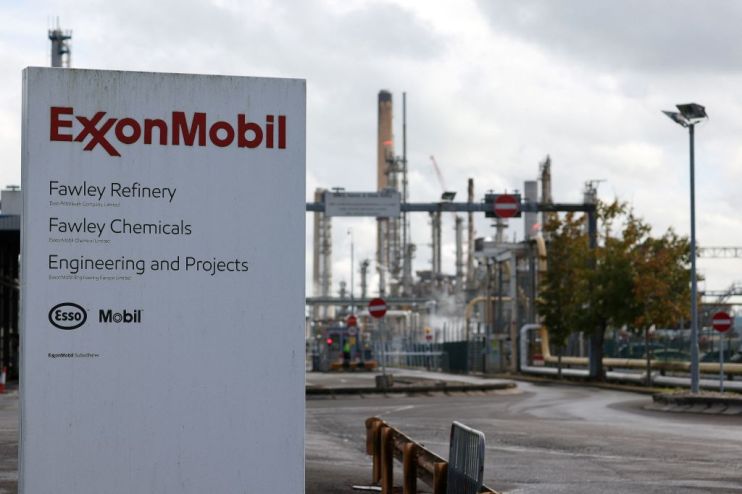
Senator Elizabeth Warren blamed "price gouging" by giants such as ExxonMobil for high petrol prices back in November. (Photo by Adrian DENNIS / AFP) (Photo by ADRIAN DENNIS/AFP via Getty Images)

Inflation hit 5.4 per cent in December, its highest level since 1992. It is widely expected to reach seven per cent in the next few months – it has already reached that level in the US.

There are several reasons why inflation has raised its ugly head again. Demand for gas and oil has outstripped supply. The cost of shipping rose fourfold during the pandemic, from less than $2,000 per container to $10,000. Covid-19 restrictions limited production and created scarcity.

When restrictions were eased, pent-up demand was unleashed as consumers began to spend again.

Above all, governments have been printing money like there is no tomorrow. Twenty per cent of all the US dollars in existence were printed in 2020. Joe Biden’s Covid-19 relief programme has cost a staggering $5.2tn. The Bank of England has purchased over £400bn of government debt since March 2020.

Printing money does not inevitably cause inflation, and in the digital age most of the money is not literally printed. But when vast sums of money are created out of thin air, inflation can be expected. This is especially true when the supply of goods and services has been constricted. It is a classic case of too much money chasing too few goods.

No serious economist would be surprised by this.

What is surprising is the reaction from people who should know better. When the inflationary chickens came home to roost last autumn, Robert Reich, a professor of public policy in California, insisted that it was not ultra-loose monetary policy that was to blame. Instead, it was the fault of greedy corporations which have “so much market power they can raise prices with impunity”.

Reich was not alone in this belief. When the US faced high petrol prices in November, the obvious explanation was that the price of oil had doubled in the space of a year. Not so, claimed Senator Elizabeth Warren, instead blaming “price gouging” by Chevron and ExxonMobil.

Cartels can exist but there is no reason to think they have suddenly taken over large parts of the American economy. If these markets are so uncompetitive and the companies so powerful, why did they not raise their prices earlier? Why are they not raising prices even more? The answer is that there is ample competition but companies cannot avoid passing on the higher cost of raw materials to their customers indefinitely.

The rising cost of living has only come as a shock to those who were lulled into a false sense of security by 25 years of relatively low inflation. They had started to believe that pouring vast quantities of cash into an overheated economy would have no ill effects. Blaming greedy corporations for raising prices is part of their coping mechanism.

It would be wonderful if we could print money with impunity. It would solve the central problem in economics: the scarcity of resources.

If there are unlimited resources, there is no need for economics. Alas, although money can be created at the click of a central banker’s mouse, resources cannot. The laws of economics remain inviolable.

Read more

Supermarkets ‘actively shielding’ shoppers as food inflation falls again

Shopper in a supermarket produce aisle browsing various packaged vegetables and fruits.

Share this article

  • Facebook
  • X
  • LinkedIn
  • WhatsApp
  • Email

Similarly tagged content:

Sections

  • Opinion

Categories

  • Opinion

Trending Articles

  • Wetherspoon boss: ‘Not up to Burnham’ to choose who is on the high street 

  • Badger Beer maker Hall & Woodhouse doubles profit ahead of tie-up with James May

  • Four interest rate hikes loom despite surprise economic growth

  • Primark sales slip as owner dresses up retailer for demerger

  • Barclays faces legal scrutiny over role in £90m ‘Ponzi scheme within a Ponzi scheme’

More from Morning Wire

  • Supermarkets ‘actively shielding’ shoppers as food inflation falls again

    Retail
    Shopper in a supermarket produce aisle browsing various packaged vegetables and fruits.
  • Inflation leaps to 2.9 per cent in blow to Burnham 

    Economics
    Burnham cityscape showcasing modern architecture, bustling streets, and vibrant community life in a thriving urban setting
  • How patient can the Bank of England be?

    AD
    Historic Royal Exchange building in London with modern skyscrapers behind, clear blue sky.
  • Shop price inflation hits two-year high as rising energy costs hit consumers

    Economics
    Retail sales slumped in May as tax hikes and economic uncertainty hit shoppers' spending
  • As it happened: FTSE 100 falls but Nasdaq soars after Nvidia sales boom

    FTSE 100 Live
    Smiling man with gray hair and glasses in a dark suit and blue tie, speaking at an event.
  • Business confidence hits two-year high ahead of Budget

    Economics
    Canada skyline with historic buildings, modern skyscrapers, and construction cranes under blue sky.
  • Great Britain Leads Europe’s FMCG Inflation as NIQ Launches New Inflation Barometer

    Business Wire
  • Energy price cap rises to three-year high

    Energy
    Smartphone displaying an energy bill, with British pounds and coins beside it, symbolizing rising costs.
MorningWire

Independent European business, markets and political news for decision-makers.

Morning Briefing

Europe

  • Germany
  • France
  • EU Institutions
  • Europe

Business

  • Markets
  • Business
  • Economy
  • Regulation
  • Competition
  • Public Affairs

Editorial

  • Opinion
  • Editorial Policy
  • Corrections
  • Contact

Company

  • About Morning Wire
  • Privacy Policy
  • Terms of Use
  • Cookie Policy
© 2026 Morning Wire Ltd · Published by Morning Wire Media, Bahnhofstrasse 65, 8001 Zürich, Switzerland
Privacy · Terms · Cookies · Facebook