Skip to content
Wednesday 9 September 2026London --:--Frankfurt --:--Zurich --:--
NewslettersSearchEN · DE · FR
MorningWire

European business, markets and politics

FTSE 100
10,756.66
-0.51%
DAX
25,719.99
-1.11%
CAC 40
8,204.53
-1.36%
STOXX 50
6,320.26
-1.45%
  • Europe
  • Markets
  • Business
  • Economy
  • Regulation
  • Politics
  • Opinion
More
GermanyFranceEU InstitutionsCompetitionPublic AffairsBankingTechnologyEnergy
  • Germany
  • France
  • Europe
  • Markets
  • Business
  • Economy
  • Regulation
  • Politics
  • Opinion
  • DE
Monday 11 November 2013 7:43 pm

Diet expert

By: Express KCS

Add as a preferred source on Google

NUTRIENT DENSITY
The typical UK diet is increasingly energy-rich but nutrient-poor. In other words many of us are consuming foods which are high in sugar and unhealthy fats and contain little in the way of vitamins, minerals and fibre, which we need for good health. To help improve the nutrient-to-energy ratio, health experts recommend we replace some foods in our diets with more nutrient-dense options.

Simply put, “nutrient density” is a measure of the amount of nutrients a food contains in comparison to the number of calories. With our increasingly sedentary lifestyles we are using up less and less energy throughout the day. Even if you’re a regular exerciser, you can still be considered sedentary if you spend much of the day desk-bound, travelling or relaxing in front of the television. We need to eat but we must choose foods that are low in calories, yet filling, and deliver high levels of the essential nutrients we need for good health. These include; protein, vitamins, minerals, phytonutrients, essential fatty acids and fibre.

Obvious examples of nutrient dense foods are brightly coloured fruits and vegetables such as carrots, tomatoes, peppers, broccoli, kale, watercress, spinach, berries, apples and pomegranates. These “super foods” are rich in vitamins and compounds such as soluble fibre, which can help to keep cholesterol levels healthy. They also contain phytochemicals, which can act as antioxidants, protecting cells from damage that can lead to various diseases including cancer.

Other nutrient-dense foods include oily fish, oatmeal, whole grains, soya beans, pulses, nuts and strained yogurt. On the other hand, energy-dense, nutrient-poor foods include refined white breads, pasta, pastries, processed meats, ice cream, sweets and fizzy drinks.

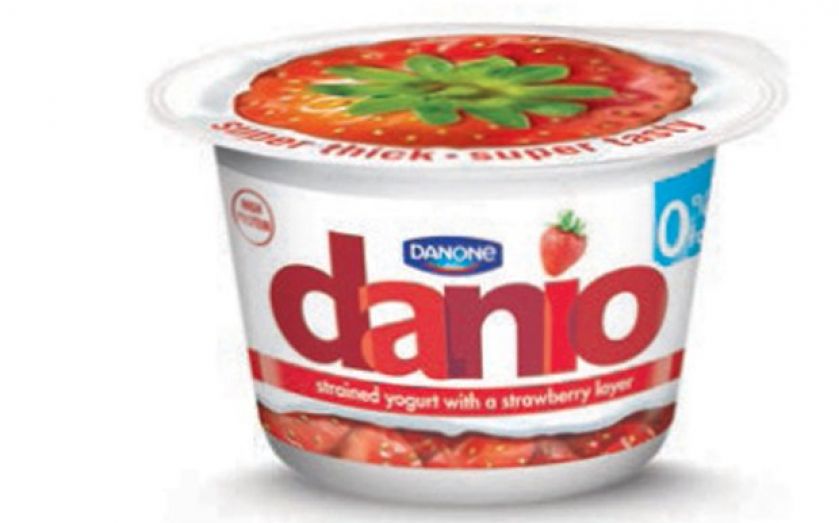
You can compare nutrient density by taking two foods that would give you roughly the same amount of calories. For example, you can snack on a couple of biscuits or opt for a pot of high protein yogurt, such as Danio. Both snacks contain roughly 125 calories, however the yogurt contains:

■ Six times as much protein
■ 10 times as much calcium
■ Eight times as much zinc
■ Twice the amount of magnesium

The yogurt also provides about a quarter of your daily vitamin A, compared to none in the biscuits. The higher protein content also helps you feel fuller for longer, so it satisfies cravings and helps you last until your next meal.

Share this article

  • Facebook
  • X
  • LinkedIn
  • WhatsApp
  • Email

Similarly tagged content:

Categories

  • Life&Style

Trending Articles

  • Hedge fund billionaire Chris Rokos joins UK wealth exodus 

  • Tesco and Boots lead 100,000 jobs pledge to tackle Neets crisis

  • Airport chaos latest: Heathrow, London City ‘starting to recover’ after air traffic control failure

  • Five lenders hike mortgage prices as interest rate threat looms

  • As it happened: FTSE 100 inche up as oil holds gains; Healey says UK paying ‘Truss penalty’

More from Morning Wire

  • Whey and weight-loss drugs to eat into Applied Nutrition profit

    Retail
    Woman lifting dumbbells with a trainer in a busy gym, promoting fitness and health
  • Point2 Completes $136M Series B Funding with Arm, LB Investment, and Maverick Silicon

    Business Wire
  • Picky Brits: Heatwave fuels surge in finger food spending

    Retail
    Tesco quiche, cured meats, olives, and dip on a wooden board, ready for a party or meal.
  • Rehlko Defines What It Takes to Build AI-Ready Power Infrastructure as Data Center Energy Demands Evolve

    Business Wire
  • Let them build homes near stations, but let them be beautiful too

    Opinion
    Two town planners examining a London monorail concept model with buildings and a proposed elevated train line.
  • Food inflation set to surge next year as Iran war ramps up supply costs

    Retail
    Shopper places produce into a cart in a grocery store aisle with mostly empty shelves, indicating supply shortages.
  • Business Wire
  • Business confidence climbs on consumer spending power

    Business
    Chancellor Healey speaking at a podium before a crowd, with the HM Treasury sign visible on the brick building.
MorningWire

Independent European business, markets and political news for decision-makers.

Morning Briefing

Europe

  • Germany
  • France
  • EU Institutions
  • Europe

Business

  • Markets
  • Business
  • Economy
  • Regulation
  • Competition
  • Public Affairs

Editorial

  • Opinion
  • Editorial Policy
  • Corrections
  • Contact

Company

  • About Morning Wire
  • Privacy Policy
  • Terms of Use
  • Cookie Policy
© 2026 Morning Wire Ltd · Published by Morning Wire Media, Bahnhofstrasse 65, 8001 Zürich, Switzerland
Privacy · Terms · Cookies · Facebook