
Does altitude affect vision loss?

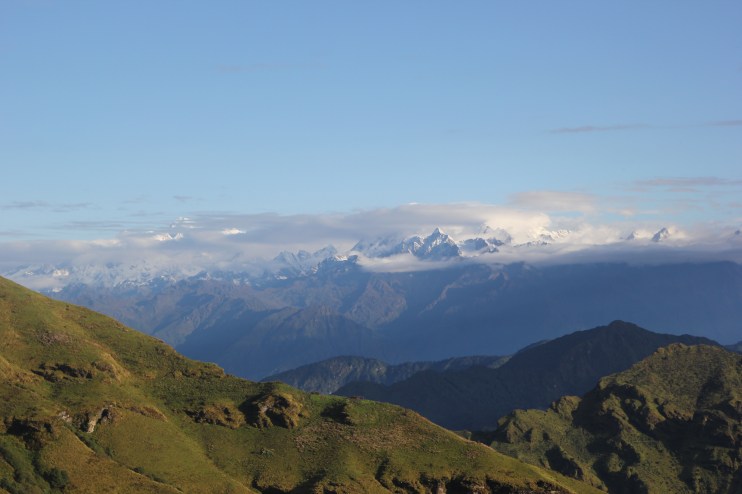
Across the developing world, there is a multitude of reasons that many people suffer from blindness. One of the leading causes is that many communities live in isolated communities where they cannot access eye care or any sort of healthcare. So what are the other reasons?
There have been a few recent studies regarding the effect altitude has on those suffering from blindness. It has been found that some populations in high-altitude areas have a higher prevalence of cortical cataracts that those living in lower areas.
So – does altitude actually affect vision?
Whilst age is one of the main contributing factors to cataract blindness, many have begun to believe that UV radiation exposure is also an important factor. As people grow older lens opacification is much more likely, and sight begins to fade with age similarly to hearing levels depleting with age.
However, increased exposure to ultraviolet (UV) radiation has been said to impact the speed at which one contracts cataracts. There are three types of UV radiation, UV-A, UV-B and UV-C. The earth’s atmosphere absorbs all of the UV-C radiation and around 99% of UV-B radiation. It has been proven that the higher the altitude the quantity of UV radiation increases at a rate of 4% per 300m ascent. This is why more of those living at higher altitudes suffer from some form of visual impairment.
On top of this, low latitude and highly reflective surfaces such as snow-covered landscapes can increase the intensity of UV radiation. Studies have shown that the reflection of UV doubles from the surface of water and increases by 8 times from snow when compared to reflection from grass-covered landscapes.
In higher altitude areas such as Tibet (altitude 4000m) cataracts were much more prevalent compared to Beijing (altitude 50m). Whilst this seems like clear evidence of altitude affecting cataract blindness, a study in Nepal differed. In mountainous areas such as Nepal and Tibet, there are likely many more communities that are living in isolated and poorer conditions.
Whilst it is clear that sun exposure in Tibet impacted the prevalence of cataracts, a study in Nepal showed that high altitude inflicted blindness was significantly lower. Some villages are overshadowed by mountains meaning that sunlight and UV radiation is significantly lower making it difficult to pinpoint an exact result of altitude affecting the prevalence of blindness, especially when considering several geographical locations that offer a variety of results.
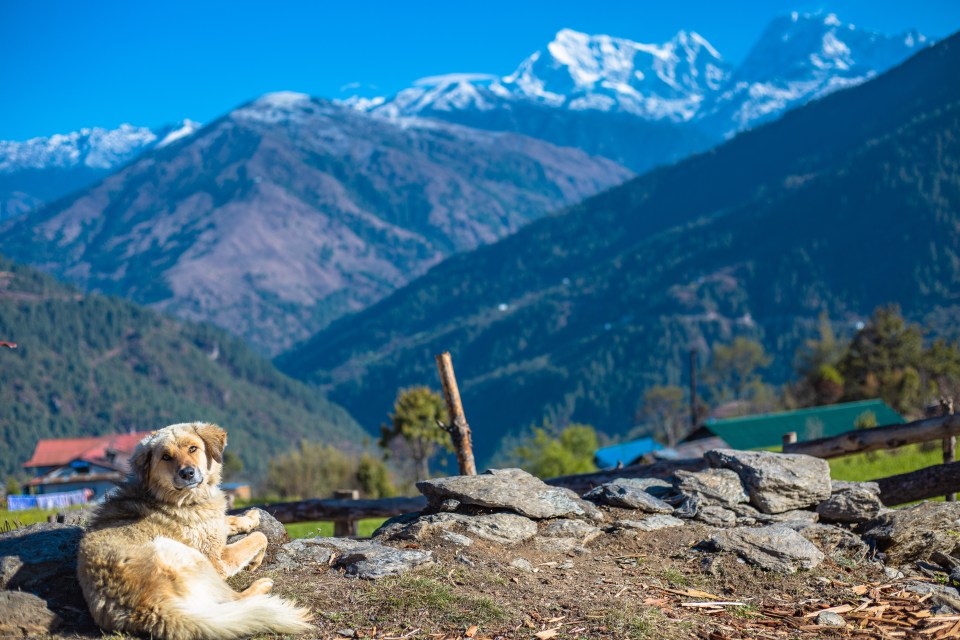
Much like poverty, altitude could be a cause and effect of cataracts. In regards to isolated and marginalised communities, it is likely that due to a lack of income, social infrastructure and integration into modern society communities will remain high in the mountains in rural villages due to cultural traditions.
Loss of vision can also be seen in those who travel to high-altitude areas. Those who participate in activities such as mountain climbing have been known to experience vision issues such as temporary loss of sight or suffer from a degenerative sight issue.
The Journal of Travel Medicine ran a study focused on a 41-year-old woman who suffered a loss of vision during an expedition across the Himalayas. The case study showed that the climber had remained at an altitude of 5800m and above for over 47 days.
The study explains that prolonged altitude exposure, along with reasonable amounts of climatisation, can cause a formidable amount of stress on the human body, causing all types of issues. One issue that had been reported prior to the publishing of this case study was retinopathy and optic disk swelling occurring at high altitudes.
In terms of this case study, it is once again difficult to determine whether the direct sight loss was caused by high altitude or whether the body experienced a different type of issue that caused the visual decline. Without direct and solid evidence, the issue of altitude being a cause of visual impairments cannot be solved.
The Tej Kohli & Ruit Foundation is a restricted fund operating under the auspices of Prism The Gift Fund, registered UK charity number 1099682.