How Britain can stay clear of rivals as home of overseas sport club owners

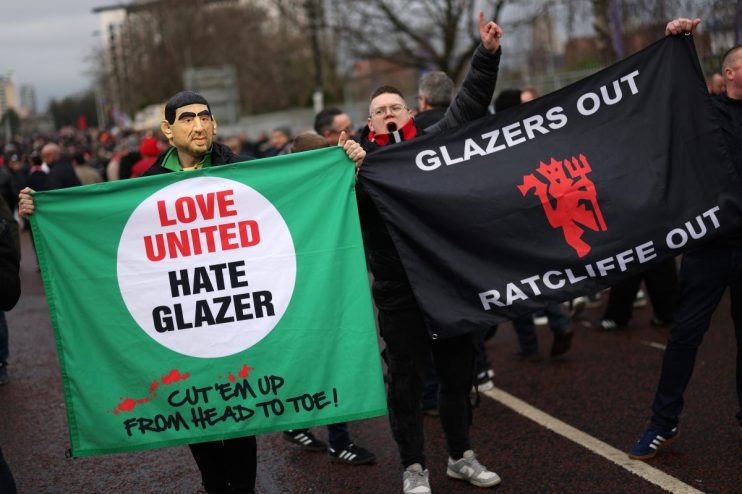
Sport is more political than ever. Matt Sutton asks how clubs navigate the geopolitical risks in 2026.
Ownership and investment have become increasingly international, with sports clubs, leagues and governing bodies relying on global capital to drive growth.
For years an argument has been rumbling on about whether it’s right to have foreign investment in British sports. To simply restrict overseas ownership or judge investors solely by the passport they hold feels like a kneejerk response and an oversimplification.
The debate is not about the money itself but the national and reputational environment surrounding it.
Foreign investment has undoubtedly improved sport in this country. It’s give us world class stadiums, elite coaching and opened up new, global audiences. What has changed isn’t the investment – it’s the world around it.
As we have seen throughout the World Cup this summer, sport has become inseparable from geopolitics. Alongside the tournament itself, coverage was dominated by issues from trade and diplomacy to political leadership. This was unquestionably the most political edition in the tournament’s history.
Sport on the market
Sport is no longer now operating on the fringe of international affairs. It is now becoming one of the most visible arenas they play out in.
The challenge is no longer whether international investment in British sport should continue but whether sports organisations are properly equipped to manage the scrutiny and stakeholder expectations that accompany it.
The reason for this is simple: the world in which sport operates in has fundamentally changed. Commercial decisions can no longer be separated from geopolitics. Investors, partners, supporters or governments increasingly judge organisations not only by the decisions they make, but by what those decisions represent.
Nationality, geopolitical context and stakeholder perception increasingly influence how owners, investors and institutions are viewed, regardless of the quality of the investment itself.
This does not mean that overseas investment in Britain has become less desirable. It means that the operating environment surrounding it has become more complex.
Why does this matter? Because fundamentally sport matters. We have seen in recent weeks how much sport comes to define national identity, civic pride and community life – as true in Britain as it is abroad. A football team, or the sports’ governing body, are more than commercial organisations. They represent places, people and countries.
This ecosystem has created a heightened degree of expectation. The ownership, investment and partnerships on a shirt are no longer judged based purely on commercial value, but by what they say about an organisation.
Everyday life
For supporters, clubs are woven into everyday life. They form part of their identity and the communities they belong to.
As a result, the level of public scrutiny in modern sport is one few other industries experience.
This will inevitably change the nature of the decisions executives are required to make. Commercial choices around ownership, investment and partnership can quickly become matters of public scrutiny and political debate. This opens up organisations to potential criticism not only from their supporters, but governments, investors, and the media too.
Leaders now need to look beyond the commercial merits of their decisions and consider how they will be understood by supporters, communities, policymakers and investors alike.
So, what does this future model require? Sports organisations need to consider geopolitical issues as routinely as commercial, financial and legal factors in their strategic decision-making.
That means identifying potential reputational issues before they become public controversies, embedding proper governance rather than relying on communications or crisis management once issues emerge.
Done well, this allows organisations to balance commercial opportunity with long-term trust, creating the resilience needed to attract further investment.
The challenge now is ensuring that this new governance structure keeps pace with the world in which investment operates. This should not be seen as a barrier, but as one of Britain’s competitive strengths.
If Britain gets this right we can lead not only on the pitch but in how sport is governed, strengthening our reputation as a global destination for international investors.
Matt Sutton, Director of Sport, Governance & Reputation, Cavendish