Enough windfall taxes: We need oil and gas to go green

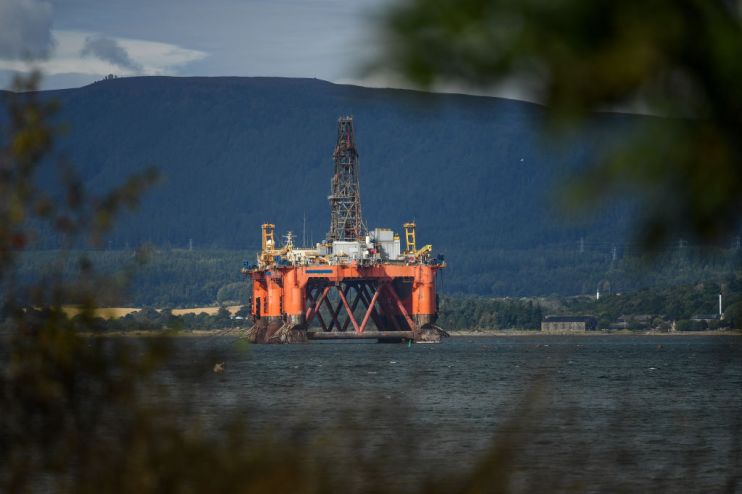
Labour’s latest push for the windfall tax to be toughened exposes the fact that its stance on the levy was always ideological, rather than practical.
With oil and gas prices easing, and the need to shelter households and businesses from energy bills declining – the opposition’s calls for investment relief in the Energy Price Levy to be scrapped are simple: it doesn’t want new oil and gas projects in the North Sea.
Shadow climate secretary Ed Miliband is pushing for a decarbonised electricity grid by the end of the decade, five years’ ahead of the government’s target, and wants the UK to compete with the vast US subsidy regime unveiled in the Inflation Reduction Act last year.
However, while renewable technologies such as wind turbines, green hydrogen and carbon capture have tremendous potential to transform the North Sea industry – the reality remains that the country will still need oil and gas for decades to come.
The Climate Change Committee, Westminster’s independent advisory group, predicts half of the UK’s energy requirements between now and 2050 will still be met by oil and gas, and as much as 64 per cent of UK energy needs between 2022 and 2037.
Nearly 85 per cent of the UK’s housing stock is heated by gas, and despite the infectious enthusiasm of Octopus chief executive Greg Jackson – the heat pump revolution is set to be a protracted, gradual affair.
The challenge of storing wind and solar power also remains a burden on the energy sector – with the intermittent power sources needing to be complemented by a low-carbon base-load such as nuclear.
Yet, nuclear power will take decades to be fully revived as a sustainable energy source – as new plants jumps through the hoops of local bureaucracy and vast funding commitments.
Despite this, government has failed to offer a compelling vision for the North Sea that contrasts with Labour’s unrealistic approach.
If we are still in a world dependent on gas – it makes sense to procure fossil fuels in the least carbon intensive, most stable way possible, to reduce our reliance on unreliable overseas vendors and to maintain the UK’s push to net zero.
Yet, not only has the government ditched any attempt to revive fracking, it has also seemingly done all it can to drive investment from the North Sea – home to less carbon intensive domestic pipelines.
Instead, Prime Minister Rishi Sunak has turned to the US for a long-term LNG deal, and to overseas suppliers such as Qatar and Norway.
Overseas oil and gas are considerably more carbon intensive than domestic supplies, while US LNG is potentially not even eligible for blue hydrogen conversion, meaning it has no real future role in our energy mix.
North Sea industry hammered by windfall tax
The Energy Profits Levy, which exists on top of the special 40 per cent corporate tax rate North Sea operators face, was introduced by the Tories, toughened to 35 per cent and extended from three to six years – all since last May.
It has created a changeable, unstable investment climate in an already challenging, mature basin – dissuading investors from backing projects essential for supply security.
Downing Street’s ambition of harnessing war-fuelled revenues of energy giants to tame household energy bills was fundamentally unrealistic, with the likes of BP and Shell generating well below ten per cent of their revenues from UK operations.
Instead, it is independent North Sea oil and gas traders – the most active in UK waters and lacking in a global diversified portfolio of projects – which have borne the brunt of the policy changes.
The UK’s largest independent operator, Harbour Energy, has slashed hundreds of jobs after its £2.1bn profits was effectively wiped out through taxes, including a £1.3bn charge from the Energy Profits Levy.
Enquest has pulled out of plans to revive a domestic gas field after reporting £33m losses, while Ithaca Energy is hesitating over plans to develop Rosebank – the UK’s largest undeveloped oil and gas field – and remains locked in talks with the government.
These stories reflect the realities of North Sea development and are a world away from the headline figures of bumper profits for major fossil fuel traders.
The North Sea Transition Authority is now calculating a sharp drop in predicted capital expenditure from £5.42bn to £2.5bn over the current decade.
Such a shattering effect to investment confidence is entirely in the government’s making.
Yet, the government seems breezily inattentive to the crisis, fumbling over whether to introduce a price floor when oil and gas prices return to conventional trading levels.
It is time Downing Street came up with credible solutions – because a collapsed North Sea industry means the UK will have very few options but to depend on highly carbon intensive, overseas supplies – jeopardising its energy security and green ambitions.