EV switch under threat from uneven roll out and rising energy prices

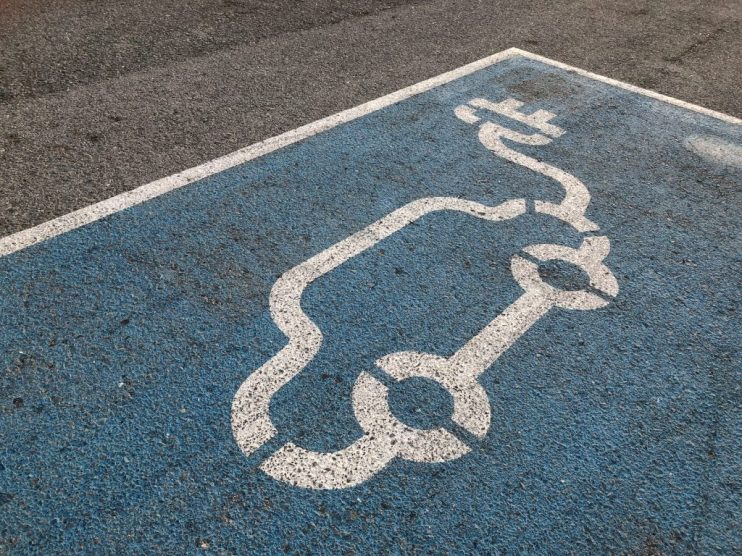
Over the last few years, an increasing number of Brits have joined the green car revolution and switched to electric vehicles (EVs).
There are currently over 900,000 electric cars in the UK – up from less than 4,000 a decade ago, according to data from the RAC.
While this only represents 4.5 per cent of all British cars on the road, the pace of the switch is ahead of expectations, with more than 100,000 extra EVs on British roads compared with the Climate Change Committee’s forecast for this year.
Demand for electric cars is only set to increase, particularly with a ban on the sale of new petrol and diesel vehicles set to come into effect in 2030.
Compared to other EU countries, Britain’s uptake of 6.7 EVs per 1,000 residents is higher than the likes of France. However, it lags well behind Norway and Sweden with 81 and 20.6 EVs per 1,000 residents respectively, according to 2021 figures from data provider Statista.
While the UK looks set to remain on track with its net zero objectives, different issues with public charging points could threaten the big switch.
Uneven charger roll out
According to recent statistics from the Department for Transport (DfT), the number of public EV chargers in the UK went up to 32,929 as of August – a 16 per cent increase on January levels.
This puts Britain well ahead of the majority of EU countries, except for the Netherlands (90,284), Germany (59,410), and France (37,128), according to data from the European Automobile Manufacturers’ Association.
However, experts believe the government could fall short on its objective to have 300,000 public EV chargers by 2030 if it maintains the current rate of installation.
A lack of adequate infrastructure increases the risk of putting people off from buying electric cars.
“Existing and prospective EV owners have long cited the availability of chargers as a key concern or barrier to purchase, and these issues will continue to limit the uptake of these vehicles if the development of the network continues to lag despite the demand,” said Matt Wills, EU head of forecourts and charging at consulting firm OC&C.
Data from the Department for Transport (DfT) also showed the regional imbalance of the roll-out of public charging points.
London has 116 public chargers per 100,000 inhabitants, well above the UK average of 48.
Under the £450m Local Electric Vehicle Infrastructure (LEVI) scheme, local authorities can access funding for charging points. But some argue the government should go further, as more deprived areas compete for the same funding on par with wealthier regions, which are more likely to attract private funding.
Jon Lawes, managing director at car finance company Novuna, believes that what is really lacking is the “political muscle to deliver critical infrastructure at a regional level”.
“Our research shows that outside of London, the Metro Mayors have access to an annual £250m capital investment fund designed to support the UK’s electrification strategy, yet collectively eight of our largest city regions in England have only installed 42 EV public charge points in 2021,” he said.
More recent data from the DfT showed that just 2,869 charging points were installed as part of the government’s £20m On-street Residential Chargepoint Scheme – which supports the rollout of public charge points in residential areas.
A DfT spokesperson said: “We want everyone to have the opportunity to make the switch to electric vehicles and this government is providing over £1.6bn to support the continued roll-out of charge points at homes, businesses and on residential streets across the UK, levelling up our provision while supporting the deployment of rapid charge points on motorways and major A roads in England.”
A surge in prices
The lack of an adequate charging network is not the only factor that might stop Britons from jumping on the EV bandwagon.
People are also hesitant about switching to electric cars because the price of EVs continues to be significantly higher than petrol and diesel vehicles.
Figures from the Society of Motor Manufacturers and Traders (SMMT) reported that sales of EVs have recently slowed down, as the number of EV registrations fell by 53 per cent in the last few months.
In the first three months of the year, registrations were up 102 per cent on 2021.
“Unless action is taken – and quickly – many hard-working people across the country risk being priced out of the electric revolution,” Ginny Buckley, chief executive of consumer website Electrifying.com.
“If we are to bring everyone along on the journey, we need the government to step in immediately to incentivise drivers to make the switch.”
There are currently only seven EV models with a showroom price currently available in the UK below £30,000, the consumer website said, compared to 107 petrol and diesel cars.
And second hand EVs aren’t readily available. Data from the SMMT showed that battery-electric vehicles made up only one per cent of the used car market in the second quarter of 2022, while hybrid vehicles represented 2.4 per cent of the second hand market.
Rising energy prices could also deter people from buying EVs, as the amount of money saved by running an electric car instead of a petrol model has reduced in recent months.
The RAC reported this week that the cost of charging an electric vehicle has risen 42 percent since May. On average it now costs 63.29p per kilowatt hour to refuel an EV at a public rapid charger on a non-subscription basis – an 18.75p increase from four months ago.
Auto Trader’s commercial director Ian Plummer said the rise in electricity prices “were beginning to worry potential EV car buyers, as we had started to observe signs of falling appetite for EVs on our marketplace”.
But Plummer said the government’s decision to cap energy bills “should go at least go some way towards supporting demand and ultimately keeping the government’s Road to 2030 ambitions alive.”