Formula 1 and The Hundred offer lessons in governance for fragmented likes of rugby

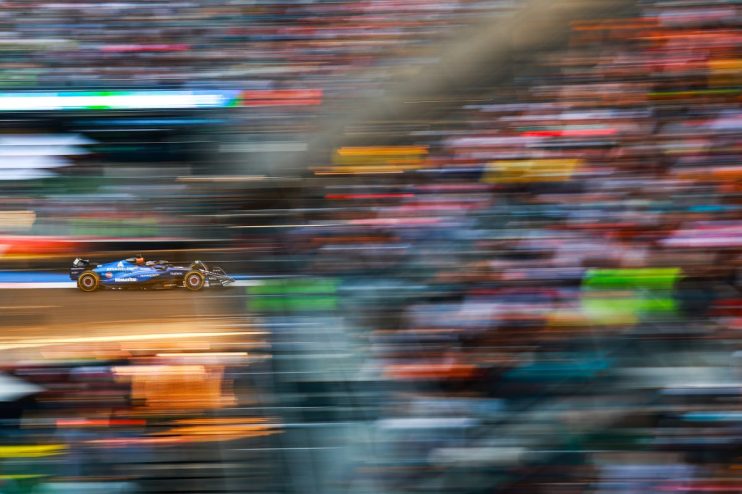
To succeed, sports need governance structures that empower one entity to steer it, as in Formula 1, The Hundred and SailGP, writes Nevin Truesdale.
The increasing commercialisation of sport has seen historical governance structures come under scrutiny. As in any business, governance structures are central to the ability to evolve in response to a changing sporting and consumer landscape.
Sports fans now expect engagement which is seamless, entertaining and well organised, to drive memorable experiences. This requires a world class in-stadium experience, great branding and social media content (including behind-the-scenes docuseries), value for money and on-field success delivered by stars.
Ultimately, the quality and depth of fan engagement drives long term success in all sports, in what is now a commercially driven world. This engagement generates revenue, from multiple sources to sustain future investment into the product. All sports are having to adapt to what is, for most, a dramatically changing landscape.
This often conflicts with purely sporting considerations and requires difficult decisions on the sporting product, including new formats, social media storytelling and discontinuing certain elements of the sport’s cherished heritage.
Examples include The Hundred in cricket, the revolution that Liberty Media has brought about in F1, the changing roster of Olympic sports and the rise of SailGP — notable successes, but some aspects having upset traditionalists.
Jettisoning FA Cup replays, the narrowing of Test cricket to a small number of meaningful series and the end of historical F1 venues such as Imola and Magny-Cours are prominent examples of commercial evolution which have impacted heritage events.
It is evident that sports which have a coherent and joined-up governance structure where all stakeholders are bound into decision-making will be able to balance sporting and commercial aspects for the best outcomes.
This gives a natural advantage to “new” sports or formats such as SailGP, Formula E or The Hundred, either unburdened by governance and structural issues or agile enough to work round them.
Fragmentation, self-interest and inertia
Sports with all-encompassing stakeholder agreements, which bind venues, participants and commercial rights holders together, covering everything from media rights and partnership distributions to media obligations and sporting regulations — the NFL, F1 and the Premier League — have also prospered.
However, governance models in some more traditional sports, which have to deal with legacy structures and multiple stakeholders, are finding the landscape more challenging. Examples include horse racing, some areas of domestic and international cricket (outside of the franchise leagues) and rugby union, as seen in the challenges faced by the RFU’s leadership.
In many cases, structures are more fragmented with no single entity empowered to drive a coherent commercial and sporting strategy. Inertia and resistance to change become dominating factors.
Fragmented governance often leads to stakeholders acting with self-interest, to the detriment of the sport as a whole and undermining its growth potential; innovative steps to drive fan engagement fall too easily into the “too difficult” box.
In turn, this has the potential to make these sports less attractive to new fans, commercial partners and third-party investors, the latter being increasingly attracted to sports and rights with innovation and scope for expansion.
To succeed in the long term, sports need to effect changes to governance that empower one entity, with full board independence, to make binding decisions, both sporting and commercial, on behalf of the whole sport. Otherwise they risk decline in a competitive landscape as demographics and the forging ahead of new sports properties threaten their fan bases.
CEOs need look no further than the sports and events which have succeeded, with clear and seamless governance structures, for inspiration.
Nevin Truesdale is an independent NED at the Northern Ireland Football League and a former CEO and CFO at The Jockey Club, the largest commercial group in British horse racing.