Berlin app maps ticket inspections in real time, reigniting debate over fare enforcement
FreiFahren crowdsources inspector sightings across the U-Bahn, S-Bahn and tram network, raising questions about poverty, policing and public-transport funding.
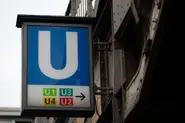
A Berlin citizens' initiative has launched a free app that plots ticket inspections across the capital's underground, suburban rail and tram lines in real time. Called FreiFahren, the service lets riders report inspectors the moment they spot them, feeding a live map that refreshes every few seconds and a colour-coded risk model based on the previous hour of activity.
The project, run by the non-profit association FreiFahren e.V., says it has roughly 40,000 regular users with about 100 people actively reporting at any given moment. No registration is required; a web version works on any device and a native iOS app is available, though an Android build has not yet been released. Buses are not covered.
Why the initiative exists
Founders argue that rising ticket prices and the threat of prison for repeat fare evasion hit low-income passengers hardest. They cite estimates that up to 9,000 people are jailed each year in Germany for travelling without a valid ticket. Co-founder Johan Trieloff told the newspaper taz that the inspection regime "actively hunts" vulnerable people instead of addressing the poverty that forces them to ride without a ticket.
"The real issue is the criminalisation of people who cannot afford tickets, and the app is intended to support people in precarious financial circumstances who still need to travel to work, appointments or other parts of daily life."
Legal and ethical grey zones
Legal advice obtained by the group suggests authorities have "little room for legal action" against the app. Trieloff compares the alerts to speed-camera warnings, which are widely distributed through navigation apps and radio traffic reports. Ethically, the case is less clear: public transport depends on fare income, and widespread avoidance could degrade service for everyone.
Trieloff counters with anecdotal evidence that the app may actually boost compliance. Some users who can afford tickets reportedly buy one after seeing a cluster of inspection reports nearby, a behavioural nudge that turns the tool into an unintended revenue aid.
What happens next
Berlin's transport operator BVG and the S-Bahn have not formally responded. If the app grows, pressure may build for a political fix, such as a social ticket or income-based pricing, rather than a technical crackdown. For now, FreiFahren remains online, free, and updating every few seconds across the city's rails and trams.