Germany's robust healthcare system is known around the world. In general, people can access medical care when they need it through their health insurance, whether it's a routine visit to the Hausarzt (GP) or treatment for a serious illness.
But what happens if you wake up with a painful ear infection on a Sunday morning? Or your child develops a fever on a public holiday? Knowing where to go can save you a long wait in hospital – and ensure emergency departments remain available for patients who need them most.
Here's what to do when you need medical help outside normal practice hours.
In an emergency situation:
First off, if it's an emergency or life-threatening situation, such as when someone is unconscious, struggling to breathe or having chest pain, you should dial 112 and request an ambulance.
If you are able to travel safely, you can also go directly to a hospital emergency department (Notaufnahme). In Berlin, you may also hear the term Rettungsstelle.
You can contact emergency services in Germany at any time of the day or night.
What if it's urgent, but not an emergency?
There are times when you might need to see a doctor urgently even if it's not an emergency.
If you're not able to contact your GP because the office is closed, there are other options to seek care.
Germany has a nationwide out-of-hours medical service where patients can receive medical advice and, if necessary, see a doctor without an appointment.
The first thing to do is call Germany's non-emergency patient service hotline on 116 117.
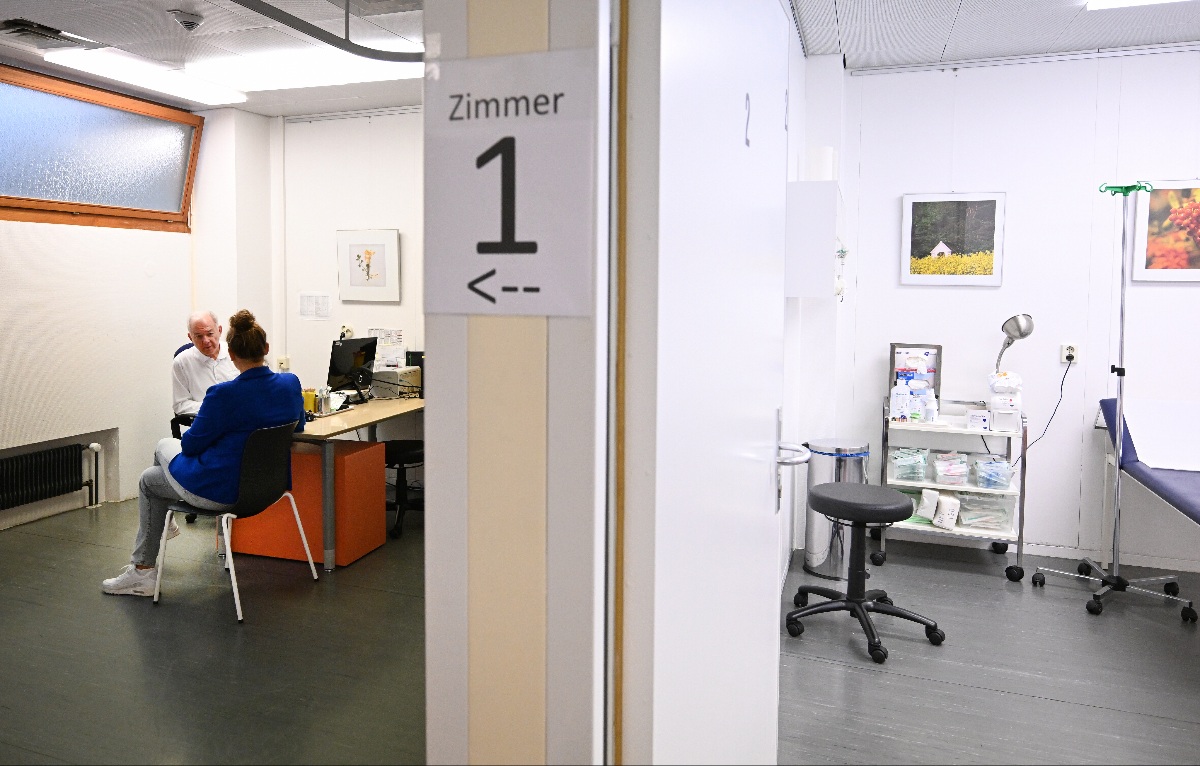
When you call, you'll be asked about your symptoms so they can assess your condition. Depending on the situation, they may advise you to visit an out-of-hours practice (Bereitschaftspraxis), attend a hospital emergency department or, in some cases, arrange for a doctor to visit you at home.
People on the hotline can also give details on where the nearest on-call doctor is based.
The number 116 117 works without an area code and is valid throughout Germany. It's free of charge, whether you call from a landline or a mobile phone, and this patient service is available around the clock. You can also visit the web page.
You may not be able to speak to an advisor in English, so it helps to prepare a few phrases in German before calling (see below).
Remember to have your health insurance card handy as the advisor will usually ask for some details.
How to find a doctor outside office hours
For less urgent, but still pressing issues, you can find an available doctor in your area.
German states have emergency care practices, often called Bereitschaftspraxen or Notdienstpraxen, aimed at relieving the pressure on hospitals and emergency departments.
These are set up to provide urgent care in the evening, weekend or on public holidays when doctors' offices are closed.
The practices, which are usually run by the regional Associations of Statutory Health Insurance Physicians (Kassenärztliche Vereinigungen or KVs), are often located on the grounds of or within large hospitals. Many of them have KV in front of the name (for example the KV-Notdienstpraxis in the Vivantes Klinikum Neukölln in Berlin).
Opening hours vary be region. Some practices are open until late in the evening, while others shut earlier and still others are open overnight. If you're unsure where to go, call 116 117 and they can direct you to the nearest available service.
Make sure to check out the type of practice before visiting. Some are only for children and young people, while other clinics might specialise in particular health complaints. If it's a routine doctor you need, look out for Hausarzt/ Allgemeinmedizin (general practitioner/general medicine).
To find your nearest out-of-hours clinics, enter your postcode onto this information page.
Keep in mind that there may be a long wait at busy times.
During your appointment, the doctor can issue prescriptions and may also give you an information sheet with notes on the examination and any treatment so you can bring to your GP if you need a further appointment.
Are there any other options?
A quick search online will reveal several private companies that offer on-demand online GP video appointments for a fee.
These services can be convenient for minor illnesses and medical advice and, in some cases, doctors may be able to issue a prescription or sick note. However, they cannot replace an in-person examination if one is necessary.
Can privately insured patients use the Bereitschaftspraxen?
Yes. On-call practices are available to privately insured patients as well as those with public health insurance.
The main difference is how the treatment is billed. Patients with private insurance will receive an invoice according to Germany's private medical fee schedule and can submit it to their insurer.
People without German health insurance should also be able to receive urgent medical care, although they may need to pay the costs themselves unless they have another form of coverage, such as travel insurance.
How to find open pharmacies
Like doctors' offices, most pharmacies (Apotheken) close during the evening, at weekends and on public holidays.
However, a rotating network of Notdienst-Apotheken remains open outside normal hours.
These emergency pharmacies can dispense both prescription and over-the-counter medicines, although the service is aimed at urgent needs rather than routine purchases.
Medication is often dispensed through a secure night window or hatch after normal opening hours for safety reasons.
You can find the nearest emergency pharmacy by entering your postcode on this pharmacy website, or by asking the doctor who treated you.
Useful phrases:
Ich brauche einen Arzt – I need a doctor.
Ich habe starke Schmerzen – I'm in severe pain.
Ich habe seit gestern Fieber – I've had a fever since yesterday.
Das Wasserlassen tut weh – It hurts to pee.
Ich habe Asthma und brauche einen Inhalator – I have asthma and I need an inhaler.
Ich bin allergisch gegen Penicillin – I'm allergic to penicillin.
Ich brauche ein Rezept – I need a prescription.
Wo ist die nächste Bereitschaftspraxis? – Where is the nearest on-call practice?
Welche Apotheke hat Notdienst? – Which pharmacy is on emergency duty?
Brauche ich die Notaufnahme? – Do I need to go to the emergency department?
Ich bin privat versichert – I have private health insurance.
Ich bin gesetzlich versichert – I have statutory health insurance.