Berlin Pride attack inquiry stalls as heatwave cripples Germany's rivers
A special Bundestag session failed to resolve key questions about the Berlin Pride attack as extreme heat pushes major European rivers to critical levels.
A special session of the Bundestag Committee on Internal Affairs on Tuesday left opposition MPs saying essential questions about the attack on the fringes of Berlin's CSD parade remain unanswered. Green MP Marcel Emmerich said the meeting clarified neither why the perpetrator remained at large, what intelligence authorities held, nor whether others were involved. Federal Interior Minister Alexander Dobrindt promised a full chronology of events and official actions, while SPD MP Hakan Demir pressed for an explanation of the court ruling that blocked an arrest warrant. Dobrindt renewed his call for a nationwide preventive detention regime.
The hearing included the heads of the domestic intelligence agency, the BKA, the Federal Police and the Federal Prosecutor General, yet the lack of concrete answers has deepened political pressure on the government to explain how a known threat slipped through the net.
Rivers at record lows disrupt shipping and energy
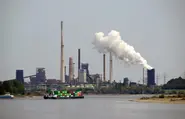
While politicians debated security, a climate-driven crisis unfolded on Germany's waterways. The Danube, Europe's second-longest river, has fallen to record lows along its 2,850-kilometre course from the Black Forest to the Black Sea after successive heatwaves since May. In Hungary, the sole nuclear power plant was forced to shut down because it relies on Danube water for cooling. Cargo shipping, fishing, tourism and energy production are all severely affected downstream.
The Rhine, Germany's most vital inland shipping artery, is also at historic lows. Chemicals and steel industries that depend on barge transport face mounting logistical costs. Municipalities including Munich have already issued emergency decrees restricting drinking water use as groundwater reserves shrink.
Bayer returns to profit as glyphosate legal bill shrinks
Bayer posted a second-quarter profit, helped by a strong agricultural division and a sharp drop in litigation costs. Special charges tied to lawsuits fell to €172 million from €981 million a year earlier. The company has spent more than $10 billion settling claims linked to glyphosate-based herbicides since acquiring Monsanto in 2018. A June US Supreme Court ruling shielded Bayer from failure-to-warn claims in states where the EPA approved Roundup without a warning label, a decision CEO Bill Anderson said strengthens the company's containment strategy. Glyphosate sales rose 12.6 per cent in the quarter, driven by Europe, the Middle East and Africa.
Brewery count falls as beer consumption drops
The number of active breweries in Germany slipped to 1,415 in 2025, down almost nine per cent from a 2019 peak of 1,552, according to the Federal Statistics Office. Beer sales fell six per cent year-on-year to 7.8 billion litres, and are nearly 16 per cent below 2019 levels. Bavaria remains the brewing heartland with 588 sites but recorded the steepest decline, losing 60 breweries since 2019. The sector is still dominated by small producers, though eight major groups each brewed at least 200 million litres last year.
Forecasters expect the heat to persist on Wednesday, with highs of 38°C in eastern Bavaria and severe thunderstorms across central and eastern regions, bringing up to 40 litres of rain per square metre, hail and damaging gusts.


