Berlin tests WhatsApp channel to tidy up Kotti station
Berlin’s transport operator BVG is trialling a WhatsApp service at Kottbusser Tor to let commuters flag litter, graffiti and damage in real time.
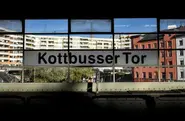
Berlin’s public transport operator BVG has begun a pilot that lets passengers report cleanliness and maintenance problems at Kottbusser Tor station via WhatsApp. The experiment is confined to the Kreuzberg hub, which the operator labels an “innovation station” for testing new ideas before a city‑wide rollout.
How the service works
Posters and stickers around the station display a QR code that opens a WhatsApp chat, while a dedicated number, 030 25630100, offers direct access. Users are guided through a short questionnaire and can flag anything from litter and graffiti to broken fixtures or suspicious behaviour. The channel is not an emergency line; urgent situations still require the station’s emergency points or a call to police at 110.
"The new channel is designed to make it as simple as possible for customers to alert the company to dirt, damage and other concerns," said Henrik Falk, BVG chief executive.
Why the pilot matters
Quick reporting could help the operator address issues before they become visible blights, a concern that has featured in local election debates. Parties such as the SPD and Volt have highlighted station cleanliness in their campaign messages, linking tidy public spaces to broader quality‑of‑life arguments.
Public reaction and next steps
Reactions have been mixed. A commenter on broadcaster RBB’s website questioned whether the system will deliver real improvements, citing experiences with the Ordnungsamt Online platform where reports are sometimes marked “resolved” without visible change. Others wonder if the burden of spotting problems should fall on residents rather than on the authority itself. A separate initiative, BerlinPay, rewards citizens for participating in clean‑up activities, suggesting a growing trend of civic‑engagement incentives. If the WhatsApp channel proves effective, BVG plans to extend it to other stations across the city, turning the pilot into a permanent feature of its customer‑service toolkit.
For now, commuters at Kottbusser Tor can simply scan a code and send a message, a small step that could signal a larger shift in how Berlin maintains its transport network.