Germany readies civilian service plans as conscription debate intensifies
The government is surveying welfare organisations to rebuild a civilian alternative to military service, last seen in 2011.
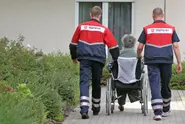
Germany is laying the groundwork for a new civilian service programme, reviving a system that disappeared when military conscription was suspended in 2011. The Federal Ministry for Family Affairs confirmed on Tuesday it has surveyed 23 major welfare organisations about their capacity to host conscientious objectors should compulsory service return.
Twenty-two of the 23 groups indicated they would, in principle, offer placements. The ministry plans to present detailed proposals after the summer recess. The move does not guarantee conscription will be reinstated, but it removes a key legal obstacle: the constitution requires an alternative for those who refuse military service on moral, religious or ethical grounds.
From Zivildienst to voluntary service
For decades, young men called up for military service could opt for Zivildienst, civilian service, working in hospitals, nursing homes, disability care facilities, ambulance services and youth organisations. Known as Zivis, they formed a significant workforce in the social sector. When conscription was suspended in July 2011, the alternative service was abolished simultaneously.
To fill the gap, Germany introduced the Federal Volunteer Service (Bundesfreiwilligendienst), open to all ages and genders, alongside the Voluntary Social Year and Voluntary Ecological Year. These programmes remain voluntary.
Military reforms create pathway to compulsion
The civilian service review sits alongside a new military service framework that took effect this year. It introduces mandatory questionnaires for young men and, from July 2027, compulsory medical examinations for men born in 2008 or later. The stated aim is to recruit enough volunteers to meet revised Bundeswehr targets, but the legislation leaves the door open for compulsory measures if volunteer numbers fall short.
A senior CDU politician has suggested conscription could return by mid-2027. One publicly discussed model is a lottery system, though legal experts question its fairness. Thorsten Frei, the new CDU/CSU parliamentary group leader, told RTL that any reintroduction of conscription would require a corresponding alternative service.
Coalition partners at odds
Political divisions remain sharp. Analysis by the International Centre for Defence and Security shows the conservative CDU/CSU favours a stronger compulsory element, while their coalition partners in the SPD prefer to focus on volunteer recruitment. The Greens are split between a voluntary model and a broader national service year. The Left Party opposes compulsory service entirely, and the far-right AfD has not settled on a clear position.
With the ministry's detailed plans expected after the summer, the coming months will test whether a cross-party consensus can emerge on a question that has divided German politics for more than a decade.