North Sea energy giants told to ‘read the room’ on windfall tax demands

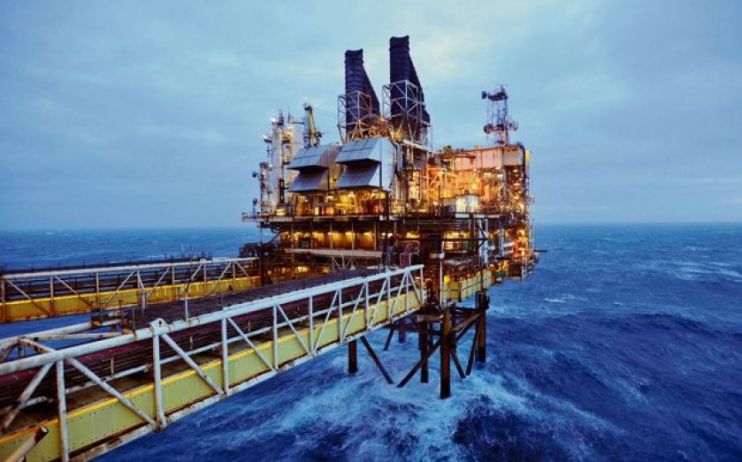
A leading campaign group has urged the government to maintain the toughened windfall tax, amid pressure from the North Sea industry for a price floor to be put into the levy.
Tessa Khan, executive director of Uplift, which is calling for no further oil and gas investments in the North Sea, told Morning Wire there can be “no return to the days” when the UK was “offering one of the most generous tax environments in the world for large oil and gas projects”.
She criticised oil and gas firms wanting the windfall tax to be softened, including Harbour Energy, the UK’s largest independent operator in the North Sea.
Khan said: “Companies like Harbour need to read the room. A windfall tax is hugely popular with the public who are still facing eye-watering energy bills. Also, people overwhelmingly support a rapid shift away from oil and gas onto cheaper renewables. On this, Harbour has nothing to offer, given that it has refused to invest in UK renewables. As such, it is no longer central to conversations about where and how we secure our energy.”
The Energy Profits Levy was first introduced last May as a further 25 per cent tax on oil and gas producer profits in the North Sea – on top of the 40 per cent special corporation tax rate companies already pay.
This was toughened to 35 per cent under Chancellor Jeremy Hunt six months later, while a 45 per cent levy on renewables was also brought in, known as the Electricity Generator Levy.
Downing Street brought in the tax to harness record earnings from fossil fuel giants following Russia’s invasion of Ukraine, to fund support packages for households and businesses amid soaring energy bills.
The windfall tax does include a 91p in the pound form of investment relief for companies developing projects in the North Sea, but the instability of the investment climate has dissuaded producers from new projects.
Harbour, Enquest and Total Energies have all announced plans to pull back from projects since the windfall tax was toughened last November, while Shell has confirmed it will now review developments on a “case by case” basis after formerly pledging to spend £25bn over the coming decade on new energy projects.
North Sea companies have recently been calling for a price floor to be included in the windfall tax with Ithaca Energy warning it could pull out of the Rosebank oil and gas field if a price floor was not included in the windfall tax, as exclusively revealed by Morning Wire
The FTSE 250 firm has a 20 per cent stake in the project, which has the potential to produce up to 500m barrels of oil – roughly equivalent to eight per cent of the UK’s entire oil output between 2026 and 2030.
Harbour and Enquest have also both pushed for a price floor in the levy this week, having seen their profits heavily dented by the windfall tax.
This was mooted as a possibility by industry sources in the Budget and during so-called Green Day – the government’s pitch to the renewables sector – however, it has yet to be announced.
Andy Mayer, energy analyst at free market think tank the Institute of Economic Affairs argued that recent investment hesitancy in the North Sea was the “deadweight cost of high taxes and excessive regulation.”
He said: “A better approach that might bridge the political divide would be to offer a regime where rates moved predictably with prices, preferably at lower levels but with fewer allowances. The position would be transparent and likely to survive both a change of government and market shocks.”
When approached for comment, a Treasury spokesperson said: “The Energy Profits Levy strikes a balance between funding cost of living support from excess profits while encouraging investment in order to bolster the UK’s energy security.
“We have been clear that we want to encourage reinvestment of the sector’s profits to support the economy, jobs, and our energy security, which is why the more investment a firm makes into the UK, the less tax they will pay.”
Harbour Energy declined to comment.