Hawks vs Doves: Bank of England’s MPC will hold interest rates – but expect dissent

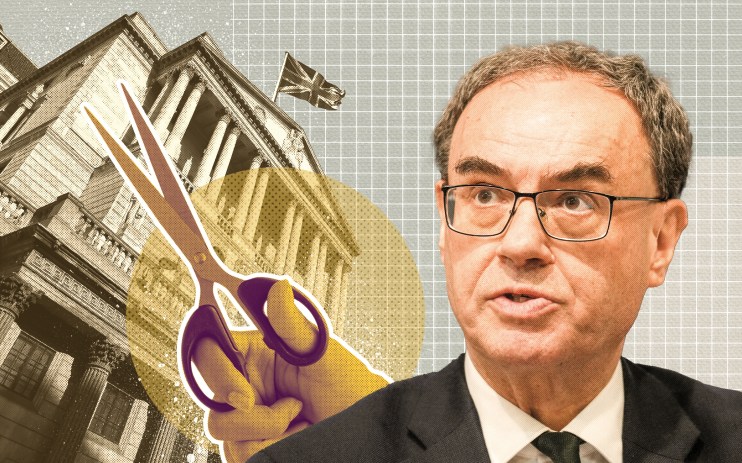
In the last year, the Bank of England has cut interest rates five times on the expectation that price rises were easing in the UK.
When inflation hit a 41-year high of 11.1 per cent in October 2022, policymakers at the Bank warned that its fight to battle inflation was “sacrosanct”.
The relentless spiralling of prices, accompanied by sobering media reports about how the cost of living crisis had left Britons destitute, sharpened minds at Threadneedle Street.
As Bank Rate hit a high of 5.25 per cent in mid-2023, rate-setters emphasised that its remit to get inflation down to two per cent was “clear” and “applies at all times, reflecting the primacy of price stability in the UK monetary policy framework”.
With inflation at 5.9 per cent in August of that year, all thinking was directed at the sole purpose of controlling price growth.
But since its cut last August, messaging around its battle with inflation and managing the UK economy has been somewhat mixed. The so-called “headwinds” to the UK economy could be distracting some Bank rate-setters from its central focus, according to some analysts.
Where hawks and doves stand
Chief economist Huw Pill lamented the rash decision to cut interest rates last year as he gave a punchy speech at Barclays’ offices in Canary Wharf claiming that the Bank needed to be more “careful” with monetary policy.
Other hawks have focused more closely on the lasting effects reasonably high inflation has had on the British psyche.
External member Megan Greene has said that Britons’ “sensitivity” to price hikes, shown through results in the Bank’s Decision Maker Panel survey, means firms are likely to ratchet up prices in response to higher costs.
Deputy governor Clare Lombardelli has tended to agree. She has been more vocal about the risks of “second round” effects taking shape as a result of high wage growth in the last year.
Over time, the MPC’s eyes have turned elsewhere – just as the Bank saw its climate change risk team cut and signalled it would have a more narrow focus on price stability.
Members on the committee have to try and look some time into the future to judge the “path” of inflation, given the lag time monetary policy has in affecting real-world decisions.
Inflation should hit two per cent in the medium term – just not necessarily in the next 12 months. Current estimates show inflation falling back to two per cent by 2027. Naturally, then, Bank officials will think deeply and forensically about everything that feeds into inflation, rather than just the headline figures for inflation alone.
A weakened jobs market, a stuttering UK economy and the pain Trump’s tariffs could cause to UK export markets from the EU to India are punching holes in calculations.
Dove-in-chief Alan Taylor has hit back at claims that wage growth and inflation expectations were likely to keep price growth high, instead telling the Treasury Committee that he had “faith” in disinflation and suggested that tariff concerns had been “undercooked” in forecasts.
A suggestion that Taylor feared the UK was at risk of a recession in the minutes to the last meeting was slapped down by deputy governors in the ensuing press conference.
| Huw Pill | Pill has not retreated from his war against the doves, having voted for interest rates to be held at the last meeting. |
| Megan Greene | Greene has previously voted for interest rates to be held when others voted for a cut. She has previously advocated for a “wait-and-see” approach and called attention to the risk of high inflation expectations, driven in part by higher food prices. |
| Clare Lombardelli | Lombardelli voted against consensus for the first time at the August meeting as she called for interest rates to be held. She told MPs inflation had been too stubborn and there was an “open question” about whether underlying disinflation was slowing down. |
| Catherine Mann | Mann’s highly unpredictable “activist” approach to monetary policy always keeps the City guessing on what she will do next – but she has warned that a “persistent hold” might need to take place over the foreseeable future to squeeze out inflationary pressures. |
| Sarah Breeden | Breeden voted with consensus at the last meeting for interest rates to be cut but she is unlikely to push for a further cut on Thursday. |
| Andrew Bailey | Bailey has been vocal about his concerns about loosening in the labour market though he has become more self-aware of the impact of his vote given he said it was important to send a “message that focused on the inflation risk”. |
| Dave Ramsden | Ramsden voted against consensus for a 25 basis point cut in July when the Bank of England held interest rates at 4.25 per cent. he got his cut in the last meeting but no forecasters appear to think he will back another cut on Thursday. |
| Swati Dhingra | Dhingra could vote for a 25 basis point cut as she has become one of the more dovish members on the MPC. Last time round, she voted with consensus for interest rates to fall to 25 basis points. |
| Alan Taylor | Taylor’s vote for a 50 basis point cut forced Bailey into calling a second vote, leading him on to change his vote for a 25 basis point cut in line with consensus. The external member has criticised the Bank’s central forecast and claims the risks to lower price growth are bigger than economists seem to believe. |
The Federal Reserve’s expected 25 basis point cut on Wednesday is also likely to keep more unpredictable policymakers such as the external member Catherine Mann on edge given the dollar is set to weaken further.
Perhaps most pertinently to Thursday’s decision, the Bank is facing intense pressure to slow down its quantitative tightening (QT) process by making fewer active sales of gilts held on its balance sheet.
Should it plough ahead with dumping more of its gilts holdings, economists believe bond prices might sink amid dwindling demand, yields could spiral and Reeves could see debt interest payments destroy her headroom.
Inflation dilemma for interest rates decisions
Whereas in recent months these varying problems have given rise to compelling debates on monetary policy’s role in fostering growth, driving investment and lowering government borrowing costs, some economists are re-emphasising the need for the Bank to refine its focus on inflation.
“Elevated inflation is a serious headwind to economic growth,” said Peel Hunt economist Kallum Pickering, who is also on Morning Wire’s Shadow MPC.
“It erodes real purchasing power, hurts the credibility of policymakers, harms confidence and puts upward pressure on nominal benchmark interest rates.
It has also been urged to better communicate its decisions.
Governor Andrew Bailey has come under fire over his use of AI to write speeches – just as AI is being more widely deployed by analysts to track comments. Everywhere in analyst comments one can find economists mulling over the MPC’s hawk-dove biases and anxiety about whether a word is dropped, a phrase is added and how officials respond to reporters’ questions.
The Bank’s approval ratings among the British electorate have fallen sharply since Russia’s full-scale invasion of Ukraine. And political support from both the Left and the Right for its remit – and independence – to be looked at is bubbling up. One former Bank analyst has privately questioned whether Bailey is capable of multi-tasking given he heads up committees on monetary policy, financial policy and global financial stability.
Given inflation remained at 3.8 per cent for the second month in a row, the Bank’s expected decision to hold interest rates at four per cent on Thursday may be easier to explain. Its November decision, on the other hand, “hangs in the balance” given services inflation has been lower than expected, according to ING economist James Smith.
Markets believe the Bank will hold interest rates in two months while some forecasters have held firm on the belief it could still make a 25 basis point cut.
For as long as inflation surprises forecasters and stays above the Bank’s target, the argument for cutting rates becomes less convincing.