Higher windfall taxes will be the death of investment in the North Sea

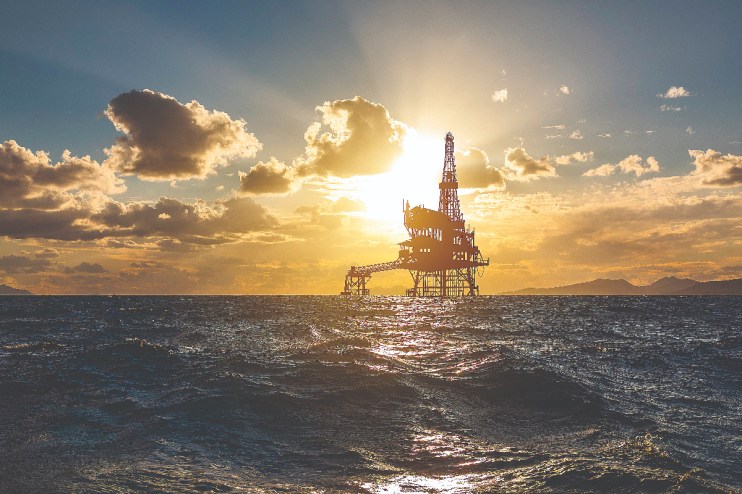
Introducing Norway-level taxes without the accompanying investment incentives proves Labour’s energy policy is driven by ideology – not security, says Andy Mayer
The day before the new Labour Chancellor Rachel Reeves sounded the death knell for Britain’s North Sea oil industry and put up to 200,000 workers on notice the ‘I’ newspaper led with the headline “Starfish and other seabed species plummet near oil and gas rigs off UK coast”. Thereby capturing the relative priorities of the British left: energy security and growth? No, bottom feeders clinging to the infrastructure of power.
Changes announced yesterday – a 3 per cent November increase in the top rate of the energy profits levy (a North Sea windfall tax by any other name) to 78 per cent, extending it one year to 2030, and withdrawing investment allowances, were signposted for two years and again during the election campaign. But that signalling, alongside Rishi Sunak introducing, increasing, and extending these measures in the first place had already done the damage.
Investors have being quietly shelving projects and noisily attacking this tax raid for two years. They have been ignored. British treasure will be left under the ocean and foreign investment will stay at home. A further £5-7bn annual hole will develop in the national accounts as the fiscal regime loses income (£2.2-6.2bn a year) while still needing to pay for existing projects to be decommissioned (£2-3bn pa).
The most unwise element of Labour’s changes is the removal of investment allowances. Sunak justified his tax raid on the basis that it was temporary and generous allowances would retain future interest. Labour justified their effectively permanent increase in the rate to 78 per cent as bringing the UK in line with Norway, who have had a stable high special tax regime since 1975. Norway, however, provide generous investment incentives, boosting them periodically when interest wanes, most recently in 2020 after a market downturn. In consequence there was already capital flight through 2023 that will now accelerate.
Labour’s ignorance may be due to taking their tax advice from a expert in Bolivian droughts during the Holocene, who called for Norway level taxes in clickbait comments on behalf of an ideological climate lobby group during the peak of the Ukraine war price spike. But this is no excuse, their allies in the trade unions have been screaming at them throughout the period about the pending apocalypse for workers.
Such concerns will increase, and it is possible the Chancellor will think again for the autumn Budget. But it is not guaranteed. The government have retained investment incentives for the decarbonisation of existing assets, for example rig electrification, and may extend that scope to unrelated North Sea transition projects in the forlorn hope that supermajors with assets in both will stay in the UK. But this is deeply inefficient, does nothing for the entrepreneurial drillers who are now the majority of operators, and would create all kinds of perverse incentives to game the system through mergers and malinvestment.
The wiser path for North Sea investment would be one of low, stable taxation and – if it must be linked to global commodity prices predictable – changes in the rates. Instead we have political panics in response to bad headlines with policies written by climate activists. Similarly, if choosing a country to mimic, the government should understand the full basis of their success, whether it’s high tax Norway or the low tax US – not just cherry-pick the elements that will most appeal to its climate-crazy base. The industry has just under three months to get this message through, but it may already be too late.
Andy Mayer is chief operating officer, company secretary and energy analyst at the Institute of Economic Affairs