Skip to content
Sunday 9 August 2026London --:--Frankfurt --:--Zurich --:--
NewslettersSearchEN · DE
MorningWire

European business, markets and politics

FTSE 100
10,901.09
+0.31%
DAX
26,319.45
+0.69%
CAC 40
8,714.93
+0.17%
STOXX 50
6,523.86
+0.33%
  • Europe
  • Markets
  • Business
  • Economy
  • Technology
  • Politics
  • Opinion
More
GermanyFranceBankingAIEnergyFintechPropertyCapital Markets
  • Germany
  • France
  • Europe
  • Markets
  • Business
  • Economy
  • Technology
  • Politics
  • Opinion
  • DE
What is City Talk? City Talk allows marketers to connect directly with our audience by publishing content on morningwire.eu
Wednesday 06 June 2018 10:27 am

Hold tight when volatility strikes

By: Fisher Investments UK Contributor

Add as a preferred source on Google

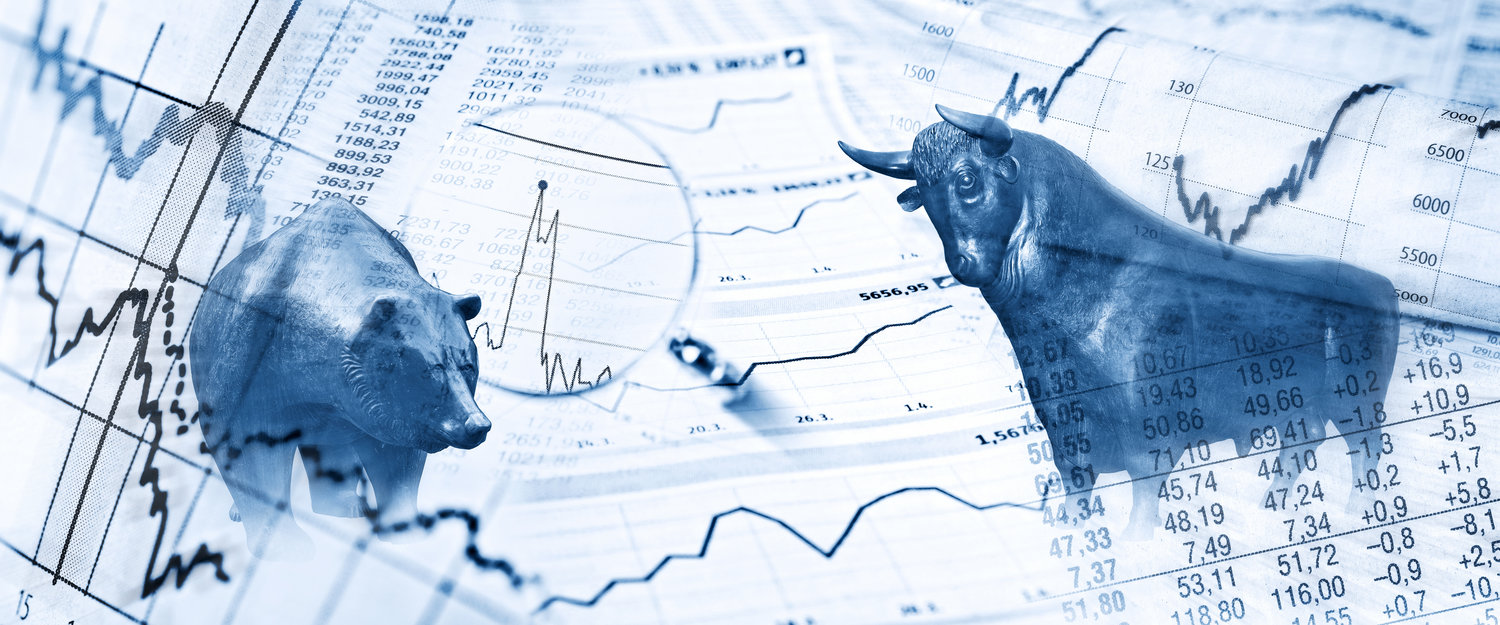
Ouch! At the end of March the FTSE 100 had its worst day since the end of 2016. The rally since then, however, demonstrates that you should fight the urge to sell during these short pullbacks. Bull markets die with a whimper, not a bang. Big bounces usually follow sudden selloffs.

This was classic correction-type movement—painful, but normal in bull markets. Corrections are short, sentiment-led drops of -10 per cent to -20 per cent. They come and go without warning, for any or no reason. A bear market is characterised by a longer, deeper decline of -20 per cent or worse with a fundamental cause like a looming recession. Bear markets are avoidable if you catch them in time. Corrections aren’t—they’re unpredictable, impossible to time.

Volatility is normal. Pullbacks are a toll we pay for long-term returns. Big daily moves aren’t extraordinary or signs of impending doom.

Bear markets usually don’t announce themselves with huge startling drops. They typically begin slowly, with gentle rolling tops, fooling folks into throwing more money at them before their violent final stages. Those selling during corrections wrongly think they’re avoiding bear markets. To avoid getting fooled and whipsawed, follow the three-month rule and 2 per cent rule.

Don’t cut your equity exposure until three months after a peak. Take advantage of bears’ slow starts. Look for fundamental reasons driving the downturn. In a real bear market, the media probably won’t do this. They’ll instead seek reasons the party will soon resume. Their search today for causes justifying the drop is correction-like, and so is their overhyping its size.

During the three-month window, remember bear markets decline about 2-3 per cent monthly from peak to trough – a slow grind that takes time. If monthly declines average far worse than 2-3 per cent during the next three months, it’s probably a correction.

The steep magnitude and frantic search for cause are classic correction signs. People forget Ben Graham’s simple truth: Markets are voting machines in the short term and weighing machines in the long term. Near-term returns, good or bad, are popularity contests. Only long-term moves, when markets weigh fundamentals, have identifiable causes. Nothing headlines fear now will impact corporate earnings in one, three or five years.

Whether or not the pullback lasts a bit longer, we think this bull market has plenty of fuel. If you own stocks, you’ll make more money today simply sitting on your hands. If you have cash, it’s a good time to buy.


Share this article

  • Facebook
  • X
  • LinkedIn
  • WhatsApp
  • Email

Similarly tagged content:

Sections

  • Jobs and Money

Categories

  • Money

Trending Articles

  • Thames Water faces fresh threat to survival after pensions regulation breach

  • PwC’s Embankment HQ to get major makeover ahead of Canary Wharf move

  • Family feud: London estate agent Winkworth sues chair over plot with wife to oust son from board

  • As it happened: Stocks rise despite new tensions in Strait of Hormuz; Oil price climbs

  • A tribute to wine legend Matthew Jukes by his friend Libby Brodie

More from Morning Wire

  • Think your tax affairs are settled? Think again.

    Opinion
    HMRC
  • Questions raised over FCA’s new short-selling rules 

    News
    The FCA has been urged to show change in its motor finance redress scheme.
  • Shell launches bumper buyback after earnings more than double on Middle East turmoil

    Energy
    Shell CEO Wael Sawan in a boardroom setting, highlighting his reported £4.5m pay boost under new remuneration policy.
  • ‘Grinding it out’: Ibstock swings to loss and cuts dividend amid building slump

    Property
    Construction workers hands building a brick wall with mortar and a leveling tool, demonstrating masonry work
  • PwC thought leadership reports ‘100 per cent AI generated’

    Big Four
    Teneo and PwC New Zealand executives shaking hands to finalize business restructuring unit acquisition deal
  • The greatest comms challenge facing business leaders today

    Opinion
    Person holding a megaphone, emphasizing a key announcement in a general news article on a business website.
  • South Korea is the canary in the coalmine of the AI boom

    Opinion
    Skyline of Seoul, South Korea featuring modern skyscrapers and traditional architecture under a clear blue sky
  • City trading ‘higher than thought’, FCA believes

    Markets
    GettyImages 2211256637 showing a significant event or figure relevant to recent news updates in the business sector
MorningWire

Independent European business, markets and political news for decision-makers.

Morning Briefing

Europe

  • Germany
  • France
  • Europe
  • UK & Ireland

Business

  • Markets
  • Banking
  • Technology
  • Energy
  • Property
  • Fintech

Editorial

  • Opinion
  • Editorial Policy
  • Corrections
  • Contact

Company

  • About Morning Wire
  • Privacy Policy
  • Terms of Use
  • Cookie Policy
© 2026 Morning Wire Ltd · Published by Morning Wire Media, Bahnhofstrasse 65, 8001 Zürich, Switzerland
Privacy · Terms · Cookies · Facebook