How the Treasury got ‘fed up’ with the Bank of England’s payments plan

The government moved to more closely monitor the Bank of England’s overhaul of the UK’s payments system after growing frustrated with the sluggish pace of the plans, industry figures have said.
The Treasury revealed last week it would begin tracking the central bank’s progress on payments and digital currencies by introducing a new secondary objective of innovation.
But payments insiders told Morning Wire the move reflected “government frustration” that the National Payments Vision – touted as plans for the UK to be world-leading on next-generation payments technology – was “going too slowly”.
“I think the government is fed up with payments,” one senior industry leader said.
Another source close to the plans said adding an objective to the Bank’s mandate was “quite a statement” and amounted to criticism of Threadneedle Street’s approach so far.
Progress in payments innovation – particularly around stablecoins – has long been the target of industry criticism. Fintech industry body Innovate Finance last year warned the Bank risked “killing” London’s potential to become a global hub for stablecoins with “prescriptive rules”.
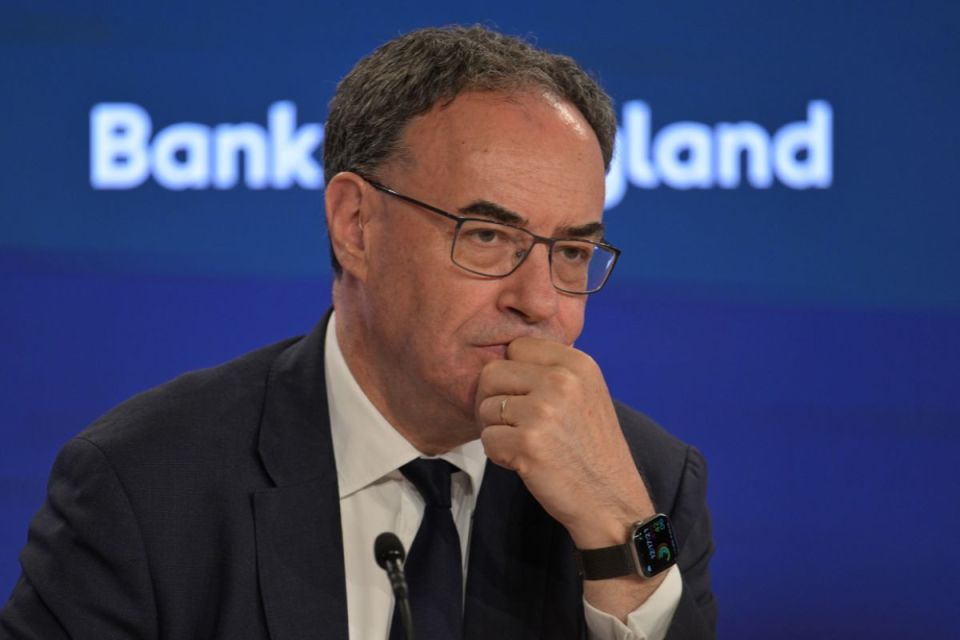
Bank governor Andrew Bailey since walked back on some of his more hawkish comments on the technology but critics have continued to sound the alarm on the Bank’s speed of movement.
Too many cooks in the kitchen
One City adviser to fintechs said: “It’s fair to say [Britain has] been slow” on payments innovation, arguing that a “diverse mix of stakeholders” with opposing views had held up the plans.
Another person close to the discussions said: “There were too many people in the room… I think there’s not really been a vision”.
Emma Banymandhub, chief executive of The Payments Association, said: “I think the Bank of England needed to have that secondary objective.
“If their only aim was to create financial stability, they have to view it through that lens only…. This now gives them a separate lense that they can overlay on that original stability one and enable them to become more flexible.”
Introducing a sterling-denominated systemic stablecoin has been framed as a “key component” of the government’s payments plan.
Stablecoins are digital tokens pegged to an official currency. A sterling-denominated token would be pegged to the British pound and be designed to maintain an equal value with real sterling.
The UK has been accused of falling behind internationally after the Genius Act in the US and the EU’s MiCA both enacted tailored statutory regimes that granted legal clarity to digital asset issuers.
Last year, payments industry experts told Morning Wire the Treasury and Bank of England to “sing from the same hymn sheet” in order to not miss out on a market expected to be over $300m.
A source close to the Treasury said the new objective reflected the government’s wider efforts to modernise UK payment regulation and ensure regulators were equipped to support innovation as the sector evolves. They added it was not a response to any single recent development.
Breeden and the banks
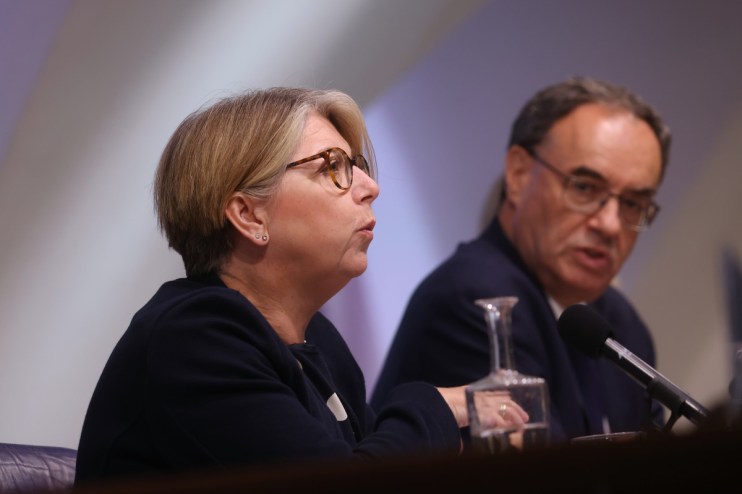
The Bank’s deputy governor for financial stability Sarah Breeden – viewed as a possible contender to succeed Andrew Bailey – is tasked with overseeing payments innovation and fintech.
But industry insiders have suggested the policymaker was “not seen as really committed” to stablecoin innovation and instead preferred tokenised deposits – an option favoured by the banking industry as it clashes less with their core business model.
Tokenised deposits maintain cash inside the bank so it can lend it out, while stablecoins move money out of the bank into a third-party’s hands.
In written evidence to the House of Lords’ Financial Services Regulation Committee in March, banking industry body UK Finance said the case for stablecoins in domestic UK retail and commercial payments was “significantly weaker”.
Breeden appeared to echo a similar view telling the committee in a hearing: “All stablecoins do is payments, so they are not elastic in that way… the essence of the difference between a tokenised deposit and a stablecoin is that elasticity point.”
In the same session she rejected that the country was “behind” and said the UK would be “welcoming applications from stablecoin issuers by the end of the year”.
One payments insider said: “I think the government is more keen on stablecoins than the Bank is”. They added the new innovation objective appeared like a “further push to nudge the Bank to do what the Treasury wants”.
Banymandhub said the Bank of England has been “moving more and more in the right direction” adding it is the hopes of the associations’ over 240 members that this would continue with the new objective.
The Treasury and Bank of England declined to comment.