If 15 minute cities can start a wave of conspiracies, almost anything can

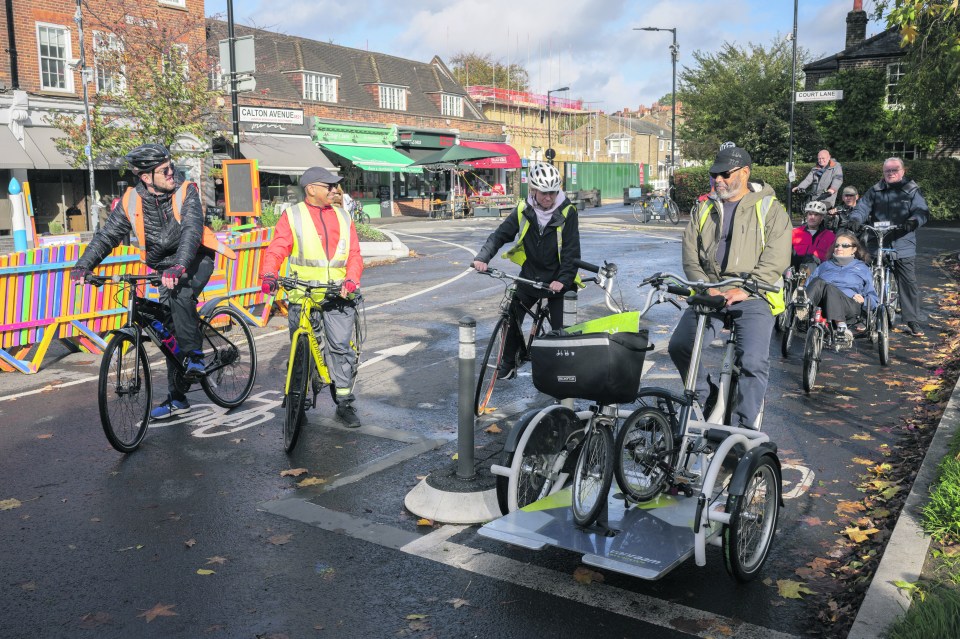
The hysteria about the 15-minute city in Oxford is proof that conspiracy theories are reaching further and further deep into every corner of our society, writes Elena Siniscalco
We won’t be caged, we are not animals”. “Ghettos are not about climate, it’s tyrannical control!” This was the style of the placards carried by people protesting against the 15-minute city in Oxford this February. Thousands marched on the streets to oppose a planning idea that, in their mind, would have taken their autonomy away.
The idea of 15-minute cities was first launched by Sorbonne professor Carlos Moreno. It means planning neighbourhoods where you can reach local amenities like the doctor or a school within a 15-minute cycle or walk. It’s meant to improve the residents’ wellbeing and sense of community, and reduce the use of cars.
In Oxford, the idea was conflated with the local council’s plans for low-traffic neighbourhoods. People claimed the plans would mean they’d get locked up in their neighbourhood, with government-controlled cameras spying on each and every move they made. The narrative blew out of proportion and even reached mainstream political corners – with Conservative MP Nick Fletcher labelling 15-minute cities a “socialist concept” in Parliament.
How did an innocuous, if not boring for most, planning concept find itself at the centre of a conspiracy theory? Ideas about our cities and how to shape them to make them more sustainable are all about change – and most people hate change. People don’t like being told when and how often they can use their car, for instance. Amidst a cost-of-living crisis, many have manifested concerns about the green transition and its costs on lower-income households. These concerns are fair; but when they mesh with lies and conspiracies, it can easily spin into far-flung hyperbole.
Many of the protesters identified at the 15-minute city march were the same people protesting against Covid-19 vaccines just months ago. Many weren’t even from Oxford. “That’s the case because of the structure of conspiracy theories: they pit ingroups against subgroups on the backdrop of a cabal of global elites”, says Stefan Rollnick, head of misinformation at strategic communications firm Lynn. According to Rollnick, once you’ve fallen for one conspiracy theory, you’re vulnerable to all, as they become a way of filtering information. “With the 15-minute city, the outgroup is climate change activists and left-wing politicians, and the cabal is the World Economic Forum”, says Rollnick. No wonder even culture warrior Jordan Peterson felt compelled to give his opinion.
The Oxford protest is only the craziest tip of an iceberg of disinformation and misinformation when it comes to discussions of housing and planning. You only have to think about how politicised any debate on where to build new homes has become. Just as some in Oxford were convinced a 15-minute city would have been an infringement on their liberties, others see planners and local authorities as evil plotters trying to choke their communities with concrete monsters. “Social media does exaggerate these polarising tendencies, and it’s kind of toxic”, says Simon Wicks, deputy editor of the Planner Magazine.
The Planner ran a survey of private and public planners, and many claimed they’re often victims of harassment and bullying by online trolls – especially if they work in the public sector. Eighty-seven per cent of respondents said they felt social media regularly contributes to misinformation about local planning. “There’s a minority of people who are noisy in their communities, and it’s their message people get away with because that’s the message they get first”, added Wicks.
This matters, because people are leaving the profession in flocks. Part of it is about low pay and long hours, and part of it is to avoid the abuse. The aggressiveness of the discourse has become a problem – we risk a scenario where 15-minute neighbourhoods pilots don’t get launched for fear of further protests, and planners can take on fewer projects because the local lack of consent is based on misinformation about what regeneration means.
Misinformation has always been a problem with urban policy, according to Sue Bridge, the president of the Royal Town Planning Institute. Planning exhibitions – events where locals are invited to hear about a new development and air their concerns – used to be the forum for discussion, and handling misunderstandings and fights was easier. Social media is the antithesis of this.
Downplaying all this hysteria as a bunch of trolls arguing for argument’s sake is naive. There is a shared responsibility to take back the narrative – because if conspiracy theories have reached even planning policy, who knows where they’ll go next.