If ULEZ was controversial, pay as you drive road pricing will face even more hurdles

As more and more people buy electric cars, we will need to introduce a road pricing scheme to pay for our highways, but a litany of controversial concerns – such as data protection – will stand in the way, writes Dom Lacey.
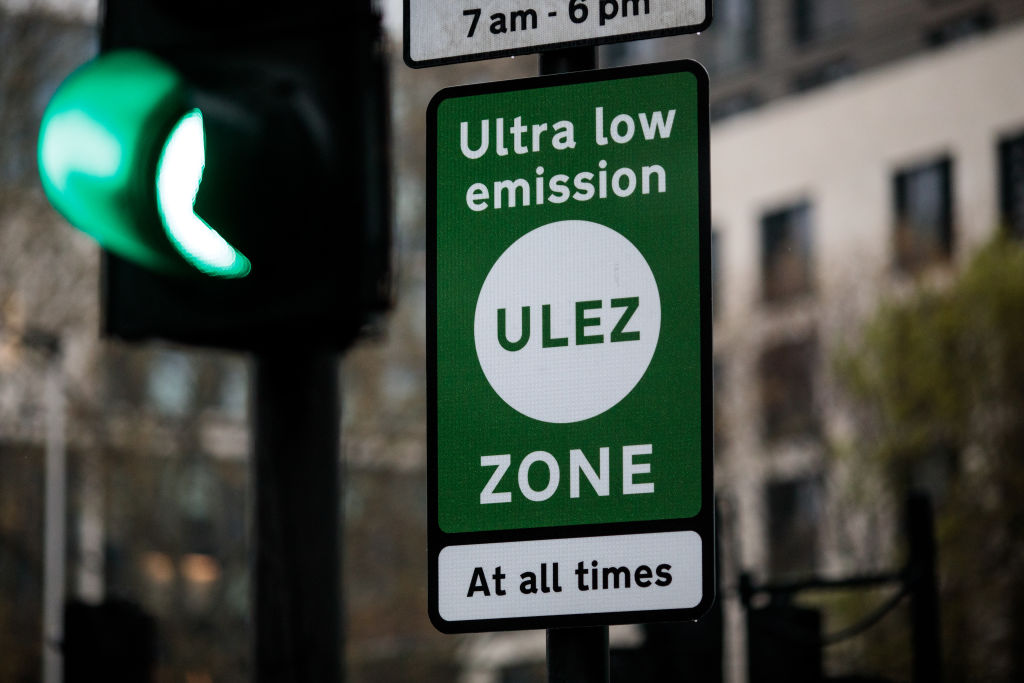
In London, the expansion of the Ultra Low Emissions Zone has caused a ruckus, and a political headache for Sadiq Khan. So you can only imagine what a nationwide pay-as-you-drive road pricing scheme would do.
Indeed, the idea already has a politically-chequered pedigree. When then transport secretary Alistair Darling proposed a similar scheme in 2005 it was vocally opposed by 2 million people, swiftly abandoned, and has remained a pariah policy until now. But projected growth in Electric Vehicles is forecast to leave a £40bn hole in public finances, thanks to lost revenue from fuel and other duties. And the government now believes there is “no alternative”.
It provokes strong opposition, but much of it is somewhat reactionary. The truth is that we already have road pricing, in a number of forms. Roads, frankly, have to be paid for. Currently this happens through a mixture of a flat tax, in the form of Road Tax, and a pay-as-you-go price in the form of fuel duty. In some areas, such as central London, there are additional flat taxes, such as congestion charging and the even more controversial ULEZ.
Supporters of road pricing argue that a fully pay-per-mile system would be fairer – in as much as it would mean those who used the roads the most would contribute most, and would also allow gradated payment for use. Why, they ask, should someone who drives – creating wear and tear and congestion – once a week or month be charged the same as someone who does it every day? There are also debates to be had around how to ensure fairness for those who have no choice but to drive and are less able to afford it. But all of these are political questions. What is surely more pressing is whether a new scheme can work at all.
The short answer is “Yes, but.” And a major caveat is the number of legal challenges that must first be overcome.
The most pressing is the sheer size of the infrastructure needed to process payment. Current road pricing schemes, such as the congestion charge, are limited to highly localised areas. This would require a nation-wide system. Payments, as dry as it may sound, is an industry large enough to have its own regulator, and a road pricing scheme would only make it larger.
The second, and most political, is data privacy. The need to fit every British car with GPS trackers was the pin which burst the 2005 policy. At the time it was seen as Orwellian, and while public opinion may have softened, there is still a major section of Britain which would likely object to it. At the same time, data laws have hardened, making the hurdles politicians would need to jump over even higher.
Whatever system we use, whether it involves telematics – “black boxes” – in cars, Automatic Number Plate Recognition or something new, this means sharing unprecedented levels of personal information. It would encompass vehicle data, travel data and personal details, identity and financial, all of which would have to be processed, stored and protected in line with GDPR regulations.
Then there’s the question of jurisdiction. Who would oversee implementation and ongoing operation of the system? Who would be responsible if things went wrong? Pure road maintenance is already the responsibility of three discrete highways authorities – National Highways, the Welsh Government, and County Councils – and this would not take into account ongoing effects of devolution around revenues and spending. Add in the implications of national monitoring, charging, payments, and data processing and you have the blueprint for a jurisdictional nightmare.
None of this is insurmountable. And we must probably accept that road pricing is the best – indeed only – option for closing the funding gap created by the end of current motoring taxes.
This is, after all, why the handful of MPs on the Treasury Select Committee settled on a policy known to be controversial. If the government is to meet its own targets for emissions, and still be able to pay for roads, then there is no alternative. But it would be naïve to pretend that current systems are scalable to a national level, or that this could be achieved overnight. And before we try to change the public’s mind, we should definitely make sure that it can legally be done at all.