In the former coalfields of North Yorkshire is a story of how to actually level us up

When public sector funding for a regeneration project in North Yorkshire was cut off, that’s when the scheme in the former coalfields really took off, writes Adam Hawksbee
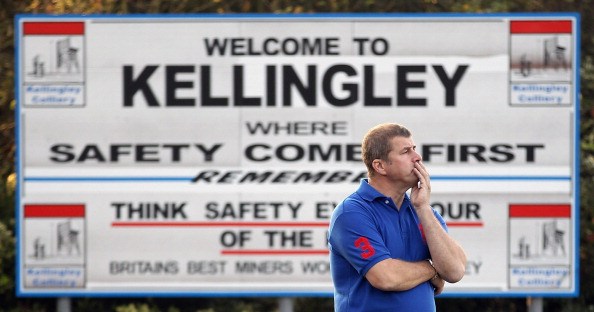
The last deep coal mine in Britain closed in Kellingley, North Yorkshire, eight years ago. In the place of the former colliery that once employed thousands are just 11 nondescript industrial units next to a small car park. But this unassuming site is quietly driving the area’s regeneration. These units, operated by an offshoot of the Coalfields Regeneration Trust, generate £4m each year by leasing space to small businesses. Every penny of pre-tax profit goes back into regeneration – supporting dozens of local grassroot groups and delivering programmes to hundreds of residents in nearby Knottingley that tackle obesity, treat mental health issues, and increase employability.
This site, and the model it underpins, represents a path to securing a legacy for levelling up. Too often the government’s flagship economic agenda to support left behind places, first espoused by Boris Johnson in 2019, has been characterised by competitive funds and centralised pots. Criticisms from both the left and right have focussed on a “begging bowl culture” – an emphasis on handouts instead of a hand up. This project in the coalfields points to a different path: locally-rooted institutions with financial independence and real autonomy.
In 1999, the trust was set up to support the 5.7 million people in the UK’s former mining communities. The scale of the challenge in these towns is vast. Economic opportunity remains scarce, life expectancy is low and multigenerational unemployment and boarded-up high streets have left their social fabric strained. The trust is involved with a huge range of activities, from supporting the neighbourhood plans that guide development to youth football tournaments at regional universities. Crucially, all of these activities are tailored to the dozens of towns the trust operates in.
In 2010, the project received what could have been heartbreaking news. Due to departmental cuts, there would only be one final lump sum of government investment. They would have to go it alone, and become self-financing.
Where many would have heard the death knell, Kellingley saw a way to safeguard their future. The Coalfields Regeneration Trust used their funds to create a corporate arm and eliminate their dependence on public sector grants. Today it operates sites in Wigan, Ollerton, and Mansfield and the flagship in Kellingley, alongside investments in renewable energy projects that also generate income.
Evidence from the last sixty years of regeneration policy suggests this is what works. A report from my think tank, Onward, examined policies all the way back to Harold Wilson’s Urban Aid programme and found a core recipe for success. Deliver funding down to the lowest possible level, invest in institutions to steward progress, and then step back – operating more like a partner and less like a parent.
Metro mayors are the most obvious example of this approach. The Osborne/Gove double act means that more than half of England’s population is now covered by a devolution deal, with arrangements in the West Midlands and Greater Manchester creating a route to financial autonomy. There has also been progress at a more local level. The recent consultation on dormant assets suggested a new endowment for a community wealth fund. And the community ownership fund is supporting a welcome wave of assets being transferred to local charities and neighbourhood associations including football stadiums, cinemas, pubs, and corner shops.
But there are too many missed opportunities. The Levelling Up White Paper promised to create “community covenants” – hyper-local organisations that could attract funding and coordinate regeneration in left-behind neighbourhoods. Little has been heard of them since. And while capital investment has poured into areas through the towns fund, future high streets fund, and levelling up fund, nothing has been created with the kind of institutional legacy the coalfields project exemplifies. Instead, capacity funding has been absorbed by councils and consultancies with nothing left for communities themselves.
The Coalfields Regeneration Trust turns 25 next year. Its survival and success rests on a model the government would do well to replicate. Identify the groups doing the best work at a local level. Use every lever possible to build their capacity until they can stand on their own two feet: endow, invest, grant, loan, transfer. And then step out of the way. Without a burst of energy before the election, the Conservatives risk a limited legacy on levelling up. They should learn the lessons of Kellingley.