Inflation has been Odyssey of 2021 for a behind the curve Bank of England
Odysseus famously stuffed his ears with beeswax to avoid being lured by the sirens. Thousands of households across Britain were likely doing something similar to stop themselves from wincing at the final inflation reading of the year.
Prices are now 5.1 per cent higher than they were a year ago. For anyone with an appetite, food prices are up 2.4 per cent over the last 12 months.
Inflation has been on an odyssey of sorts itself throughout 2021.
In January, it sat at 0.7 per cent, rose to 2.5 per cent in June, before peaking last month.
The nub of this year’s whipsawing inflation rate is this: demand was on its knees at the beginning of the year amid strict lockdown measures.
As the UK emerged from Covid-19 restrictions, rampant spending has rubbed up against constrained supply and prices skyrocketed.
Capacity constraints are concentrated in industries where supply is sluggish to respond to rises in demand, creating sticky bottlenecks.
Take two of the key sources of inflation taking off in 2021: shipping and energy costs.
Businesses around the world are scrambling to transport goods to clear an unusually full order book. This, in turn, has pushed higher demand onto shipping firms. But the quantity of ships hasn’t changed, so they can’t meet demand unless they step up investment and either build some ships, or buy some.
In the energy sector, a similar trend has borne out. Demand for energy has been dialled up. But suppliers’ capacity is limited to existing infrastructure, so they were unable to ramp up supply quickly enough.
In essence, wherever supply chains dawdle behind the surge in demand, inflation has crept in.
But why is demand so high?
The pandemic engineered a seismic shift in spending habits. As people were confined to their homes, they filled their time with buying goods.
This great demand recalibration was triggered by services unavailable during lockdowns and various tiers of restrictions. It is not that people did not want to go to pubs or get their haircut, they were simply denied access to them.
Higher spending on goods has driven up prices as firms pass on elevated costs without much resistance.
Policymakers, including those at the Bank of England, had previously bet on spending reverting to pre-pandemic trends, easing goods inflation in the process.
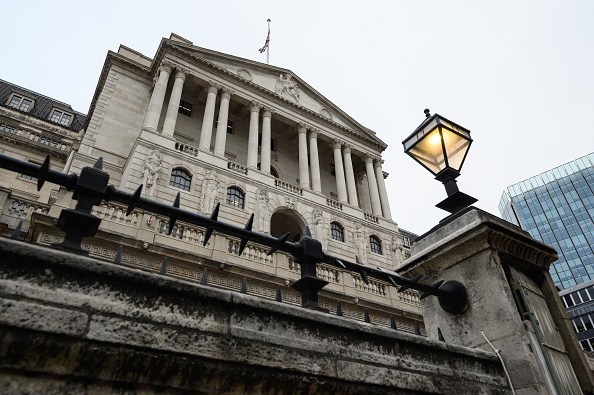
Yesterday, they decided to take the beeswax out of their ears and face the music – hiking interest rates to 0.25 per cent in response to latest inflation figures.
It was an unexpected move given the Banks’ reluctance to label the inflation numbers anything except “transitory”. The spending surge refused to budge, despite the Bank’s predictions, so undershot inflation forecasts meant rate setters on Threadneedle Street held off for most of the year.
It is true monetary policy cannot boost supply. But, it can rein in demand, which would ease some of the strain on global supply chains.
The Old Lady had a golden opportunity to strike this year. Markets were buttered up for a rate hike in November; yields trended higher ahead of the month’s MPC meeting; the ground was laid for the Bank to act.
Until now, it chose inertia. As former rate setter Andrew Sentance put it, throughout the year, the Bank has been “behind the curve”.
Ultimately, households have borne the brunt of this year’s inflation roller coaster. Worryingly, earnings rose 4.9 per cent over the last year, meaning living standards are eroding.
Faced with looming tax hikes and the possibility of the cost of living hitting six per cent next spring, no wonder people are not feeling Christmassy (and Omicron, of course).
Over the last 12 months, central bankers have reiterated that inflation will ease. Now, they’re forecasting it to peak at six per cent. Only time will tell if their intervention was too little, too late and the UK will be shipwrecked on the rocky coasts as the sirens loom over.