As inflation pushes up prices, businesses should only hike them where it really counts

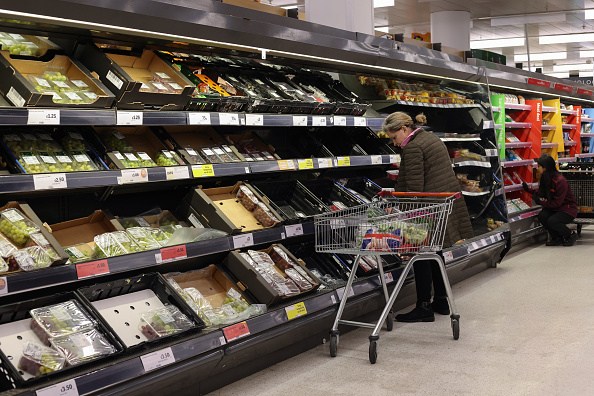
Just as the impact of the pandemic was subsiding, inflation has risen to its highest rate since March 1992 – hitting 5.5 percent in January 2022. The Bank of England has projected that inflation will hit 7 percent by the spring. From freight rates to oil to furniture and groceries, prices are increasing dramatically.
Many businesses may feel caught between the proverbial rock and a hard place. Re-pricing in an inflationary environment is necessary to sustain margins as costs continue to rise. But passing on price hikes could present unintended consequences. Business leaders will likely remain cautious to avoid impacting sales, depressing margins, and damaging customer relationships. Yet when pricing is done well it can be a powerful growth lever that can strengthen both customer relationships and overall margins.
The first step is to acknowledge and avoid the pricing mistakes of the past. McKinsey analysis has found that one common inflation mistake is making price changes across the board. This approach can damage relationships with those customers facing their own set of cost challenges. Personalisation tools can be used to tailor promotions to customers who are price-sensitive, while passing on changes for products where customers are more able to absorb them. This type of nuanced approach best protects customer relationships.
We’ve seen UK supermarkets pledge to keep low-cost lines lines at a flat rate until the end of the year, in a bid to protect those customers most at risk of being forced to choose between heating their homes and feeding their families.
Different industries are adjusting their strategies in different ways. Faced with unprecedented fuel and labour costs, distribution companies have abandoned a one-size-fits-all approach to pricing. They are opting instead to apply surcharges for rushed delivery or less-than-minimum order quantities. Retailers have taken an alternative approach: as costs rise, some of them flex their pricing on secondary and tertiary items while remaining competitive on key items.
Businesses can also approach the inflationary rise through reinvention: the products most affected by inflation can be redesigned. Many companies are encouraging their sourcing and engineering teams to reimagine products, adjusting product design such as materials or packaging. If businesses can respond to elevated production and servicing costs while maintaining the functionality customers require, they are suddenly better equipped to navigate inflation.
Companies without the capability to quickly redesign products often rely on taking a strategic approach to procurement to reduce costs. They might lean into optimising inventory management: keeping logistics costs low, and seeking to avoid common inventory issues such as over stocking or stock running low. Another approach could be to identify product substitutes within their portfolios, often private-label or own brand equivalents that can be sold at a lower cost than branded products. This helps maximise margins and increase the value delivered to the customer.
Price adjustments, when done well, can strengthen customer relationships and overall margins. For this to happen, however, transparency and proactive communication are key. Helping frontline sales people move beyond pricing discussions with customers to deeper communication about shared business concerns can create alignment. It also provides the chance for businesses to build the internal infrastructure and processes and make disciplined pricing decisions based on deeper customer insight.
Companies can use data and analytics to monitor supply prices, competitor moves, increased stock levels and to track customer reactions. It’s this type of sale-led insight that allows organisations to best adapt to rising costs and inflation. It enables companies to quickly adapt to improve their revenues, margins, and customer loyalty. And it equips leaders to respond more effectively to future shocks.