Inside the content creators’ industry, not everything is as glossy as it seems

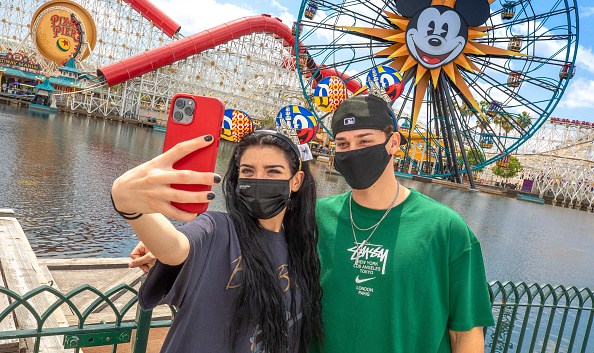
Say “influencer economy” to most people and there remains a temptation to shrug it off as a handful of Youtube stars making a few grand here and there for make-up videos. In truth, the influencer economy has become mainstream – almost 50m people around the world consider themselves “content creators”. That spans from impossibly youthful twenty-somethings hosting make-up tutorials to bloggers writing flowery prose about their latest far-flung holiday.
That number seems set to grow: in a survey conducted by the Lego Group, 30 per cent of British and American children said they wanted to be YouTubers or vloggers when they grew up. Only one in ten wanted to be an astronaut.
And it’s big money, too. Just before the pandemic struck, the arrival of the Hype House in Los Angeles got tongues wagging: a group of young TikTok influencers rented a mansion in Beverly Hills – 100m views later and the bill was certainly paid for. It was the brainchild of a 17-year-old by the name of Chase Hudson, who your teenagers will have heard of even if you haven’t. So called “content houses” continue to pop up across the world. It’s a sign of an industry maturing in ways nobody could ever have predicted.
“The idea that being an influencer means taking a pretty picture and posting it on social media is so outdated”, says Angela Simaan, Director of Communications at influencer marketing agency Obviously. The content creators’ economy is far bigger and more diverse than one could think. It includes everyone who monetizes their content online – and the agencies representing them. A content creator can be a fashion influencer, a yoga teacher, a fitness coach or a live-streaming gamer. With the pandemic pushing – or forcing – many to leave their job, more and more people have turned to content creation full-time.
The breadth and youth of the industry, though, are the root cause of a problem: this economy is almost completely unregulated and any rules governing the space have largely been designed by the platforms creating the industry. In 2017, Instagram made the decision to require people to label anyway sponsored or paid-for posts, in a bid to enable transparency.
The most established content creators have agencies representing and protecting their interests, but many, especially younger users trying to break into the market, are figuring it out for themselves. According to Anna Stern of influencer marketing agency Collectively Inc, only 20 per cent of influencers have a business manager or agent who handles their contracts.
The financial flexibility offered by the industry is as inviting as it is problematic. “It’s not for everyone”, says blogger Nicole Ocran, the brain behind the Creator Union, the first union for influencers in the UK. Still in its launch phase, the union aims to protect content creators from unfair pay, delays or the worst scenario – no pay at all.
Influencers often do four jobs at once: they write the script, set the lighting, record and edit. Because there are no clear copyright laws in this space, brands often take this content without the influencers’ permission. Agencies are no better than brands. Mediakix, a huge Californian influencer marketing agency, was in the middle of a media storm last year as influencers came out to denounce the company ghosting them at payday.
It’s clear there’s still a stigma surrounding the work of content creators. This was thrown into the spotlight during the pandemic, when Home Secretary Priti Patel denounced influencers for travelling to Dubai under the guise of going for “work purposes”. Whether or not their decision to travel was justified, for most people posting on social media simply doesn’t reach the bar for what we consider “work”.
Given this disconnect, brands and agencies are able to get away with a lot more. Bosses would never be able to get away with paying their employees; but brands will try it on. In the UK there are late payment fees in place to prevent these things from happening, but Ocran says these are often ignored.
Gender and racial stereotypes are rife. Women are disproportionately scrutinised, with several influencers lamenting they are considered vapid and shallow because of their work. An economy based on online content is more inclusive in who can access it, but it still doesn’t work in favour of minorities. “There’s strong evidence of ethnicity pay gap: black, Asian, and minority ethnic creators are paid less”, says Ocran.
Finally, there is the question of longevity. For some influencers, this is a long-term plan. Edmond Kamara is a content creator, a stylist and an event curator. He posts about elegant outfits for men under the name @cutsforhim, and makes a living out of what started as career advice from friends. “We are here to stay, it’s a whole economy that is growing. It’s only going to get better”, he says.
But for younger creators, whose brand is built on their youth and good looks, turning this into long term career plan will be a challenge. Some do it on the side of other careers or university degrees, but for others, they’re banking their livelihoods on it. Some of the “older” influencers have successfully pivoted their brand to a more mature audience, but the appetite for this is more limited.
It’s not doom and gloom; it offers a real opportunity to experiment with creativity in a new kind of economy. But as we begin to grapple with the repercussions of the gig economy and a different breed of worker, we need also to look at how an even younger generation envisages the workforce. Who knows how the metaverse will influence this world too. But before dismissing this job as just another Internet trend, we should think twice. Content creators have a completely unregulated, often nasty industry to navigate. Understanding how it works might just make it a little better in the future.