Is 2024 the year renewable energy finally reaches maturity?

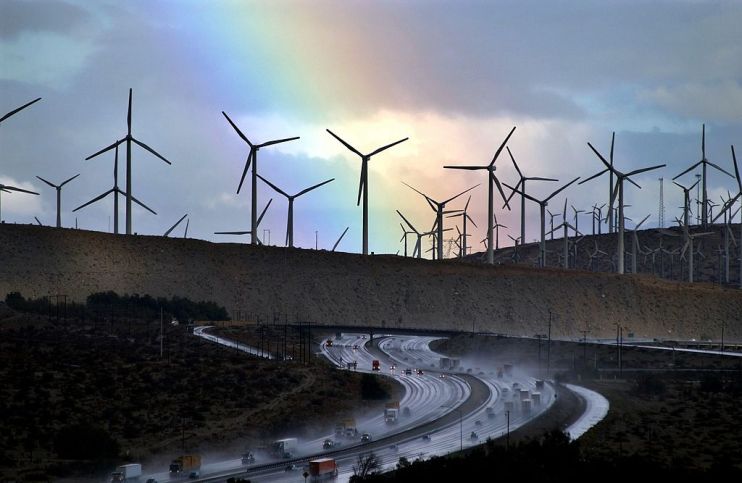
The UK’s march towards a greener future was dealt several blows over the last year, but ended with the return of optimism as 2023 came to an end.
Despite a failed offshore wind auction in the summer, two of the biggest developers in the North Sea in December produced some good news.
It was also a year when the UK’s two biggest oil and gas companies started to appear less enamoured with the shift to carbon neutrality which they both pledged in 2020.
But in among the doom and gloom, the country hit several new milestones. The year had not even begun when Great Britain broke its clean energy record.
On December 30 2022, zero-carbon sources provided more than 87% of the electricity used in Britain.
By the spring the country passed another milestone, having produced one trillion kilowatt hours (kWh) of electricity from renewable sources. That would be enough to power every UK home for around 12 years.
But while some news was welcomed by green campaigners, other news was not.
BP was the first out the gate. It had previously pledged a 40% cut in oil and gas production by 2030, now it just expects production to be 25% lower by then.
Shell, meanwhile, declared victory against its target, which was to cut output by 1-2% every year until the end of the decade. In June it instead said that production would remain stable until 2030, saying that it had already slashed its production by 21% after selling off some oil fields.
It came after an extraordinarily profitable year for the producers of fossil fuels, which helped the companies make record profits. Both still say they will be Net Zero by 2050.
Come the summer it was the renewable energy industry which was dealt a series of blows. Like other businesses and people, the builders of offshore wind farms had seen their costs balloon over the last year.
According to Swedish giant Vattenfall, industry costs had shot up by around 40%. That was so much that the company paused work on a massive 1.8 gigawatt (GW) wind farm off the coast of Norfolk, called Boreas.
Vattenfall had signed a deal that would have meant it sold electricity generated at Boreas to the grid for £37.35 per megawatt hour. But that deal was signed in the summer of 2022, when costs for renewable energy were much lower.
A year later the developer could no longer stomach the costs, and pulled the plug on the project, at least for the time being.
The decision sparked speculation that it could set off a domino effect. Danish renewables giant Orsted had contracted to build another UK wind farm, also at £37.35.
The cost of offshore wind had been falling for years. Every year – in the past every two years – wind and solar farm builders bid to supply electricity to the grid at a fixed cost from the sites they are building.
Boost to renewable energy
Those who say they will provide the cheapest electricity to the grid tend to be chosen. But the Government also sets a maximum amount that builders are allowed to charge.
In 2015 when the current system launched, that price was £155 per MWh for offshore wind, counted in 2012 prices. But by last summer the maximum that companies were allowed to charge had fallen to £44.
Developers baulked at that. Facing the same pressures that had caused Vattenfall to pause Boreas, none bid to build a single offshore wind farm.
Keen to avoid a repeat next year, the Government in November said that the 2024 auction would allow offshore wind builders to charge up to £73 per MWh.
Also by the end of the year, the fears over both the Vattenfall and Orsted sites seemed to ease.
Just days apart Vattenfall decided to sell Boreas and two other sites to Germany’s RWE, giving them a new lease of life, and Orsted made a final investment decision to push ahead with its wind farm, despite the rising costs.
It came in the week before Christmas, a week which also saw the UK’s wind turbines once more break their generation record.
Press Association