
Is Uber Works good news for gig economy workers?
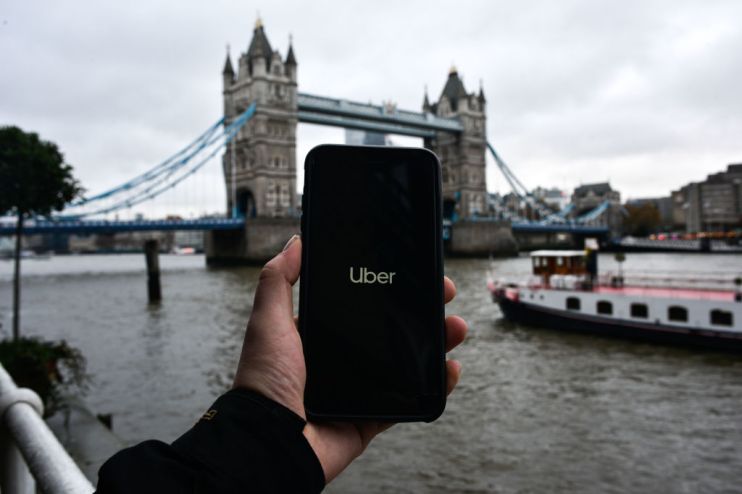
Uber is still best known as a ride-hailing platform but it has been branching out into other industries. Food (Uber eats), electric scooters and bicycles (Jump), and now shift work with the launch of Uber Works.
It is being trialled in Chicago, with plans to launch elsewhere soon, and enables casual workers such as cleaners, bar staff and warehouse workers to find work.
Uber emphasises its unique “technology-first approach” to linking gig workers with jobs will lead to a more efficient marketplace. The app allows people to find shifts without having to re-enter their credentials every time they look for a new job.
Uber expects this to provide a faster and easier way for businesses to connect with workers while also offering more information on available work opportunities, thus improving the experience for both workers and businesses.
Many people around the world use staffing agencies to find work. Yet the status quo is not ideal – for workers or for businesses. Workers face rigid schedules and imperfect information about where they can find shift work and how much they can expect to earn. Businesses struggle to find suitable staff to address unexpected labour shortages.
Uber’s new app may well help businesses reduce their scheduling problems and address seasonal work shortages, but whether it will improve the experience of workers is less clear.
Job platforms like Uber Works use algorithms to match businesses with workers. The algorithm instantly identifies and offers work to people once they have agreed to the terms and conditions mentioned in the app, created their profile and uploaded relevant documentation such as a proof of identity.
his digital management falls within the broader framework of the gig economy, which has disrupted our traditional notions of work. Under this system, workers are hired to complete tasks or hyper-flexible “gigs” within a short period of time, but there is little commitment between workers and their employers.
Gig workers are frequently classified as “independent contractors” which means businesses that hire them for gigs do not bear any costs related to employment benefits or insurance. Debates on the gig economy range from the positive, with its emphasis on the autonomy and flexibility it gives workers, to the negative, with critics seeing it as a means of cutting costs and subverting employment laws.
There are fundamental differences between working as an employee in an organisation and being a gig economy worker, which shape the psychological experience of gig workers.
On the positive side, gig workers have higher levels of autonomy and independence at work. In fact, gig workers often cite the higher level of autonomy as the main reason they chose this form of work over a full-time job.
How will Uber Works affect the gig economy?
This autonomy is not absolute, however. Gig workers are bound by the contracts they enter into as well as the demands imposed on them by customers, clients and markets. Within the gig economy, workers typically lack the minimum safety nets that are afforded to full-time employees and are solely responsible for their own economic survival.
In fact, getting your gigs from an app passes the responsibility of employment almost entirely onto individual workers, based on the view that these workers are independent, self-employed contractors.
This can be overwhelming for gig workers as they face several risks and uncertainties in ensuring a stable income. Financial instability and job insecurity are thus a major source of stress for gig workers given the freelance and transient nature of their jobs.
The fragmented nature of getting work through apps, with their reliance on algorithms to control, monitor and manage workers, also erodes the principle of reciprocity found in traditional employment relationships.
When you are getting work through a faceless app, you are subject to stringent control mechanisms where you have little say in how work is assigned, completed or appraised. This is very different from the reciprocal relationships seen in traditional employment, which offer stable career paths and job security to workers in return for their effort and commitment.
Algorithmic management is extremely common within work apps. Self-learning algorithms are given the responsibility for making decisions regarding the management of workers, thereby limiting human input into areas that typically fell under the purview of human resource managers. This approach effectively disregards the interpersonal and emotional aspects of people management.
Plus, workers can feel exploited by organisations as they are under constant monitoring by apps and their customers. If you receive a poor rating, you can face the risk of being barred from obtaining future work opportunities. And often there is excessive reliance on simplistic measures of performance – someone clicks a number of stars, without giving any feedback. There’s little scope for understanding the nuances of individual behaviour at work.
This shift towards increasingly precarious employment raises questions of how our continually evolving labour markets will impact the wellbeing of workers.
The nature of gig work calls for a system of social support. Businesses need efficient systems to meet their demands. But people need emotional support so they can deal with the unique challenges of the gig economy, including the sense of isolation involved in this work, as well as the precarity.
This article was originally written by Shainaz Firfiray and published on the Warwick Business School website, whose London location at The Shard offers an ideal base for executive learning including an Executive MBA and Distance Learning MBA option.