Isolating the problem: why the modern office needs real and virtual watercooler moments

Dr. Wolfgang Seidl is a partner at Marsh McLennan, and an expert on the future of work. Here he lays out just what the workplace needs to look like post-pandemic
FEW PEOPLE understand more what it is to be resilient than Terry Waite CBE, the humanitarian and author who was held hostage in the 1980s. Chained hand and feet to a wall and having to sleep on a floor, in a room with no natural light, he had no-one to speak to and no news of the outside world for almost five years.
Fortunately, his ordeal ended and he was able to take away much from the experience about how to build personal resilience.
Our own struggles over the past two years may not quite match up to Terry’s, but the pandemic and lockdowns all forced us to show resilience in spades. As we head into the teeth of a cost of living crisis, we are likely to be tested again – and businesses need to respond.
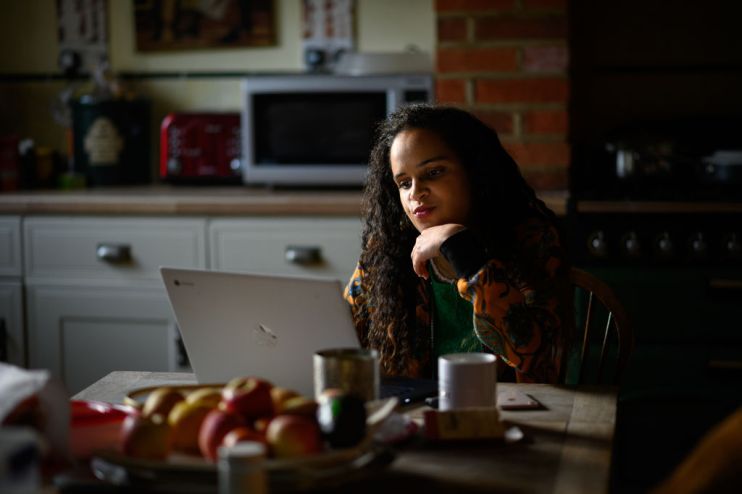
Mental health issues are now the biggest cause of workplace absence. Rising prices and money worries are unlikely to help. Meanwhile, loneliness, the theme for this year’s Mental Health Awareness Week (9-15 May), is being exacerbated by changes to working patterns.
As we move into an increasingly digital world, face-to-face interaction, after-work drinks and watercooler conversations are being replaced by digital meetings, across time zones, often with people we’ve never even met in person before.
Yet heading back to the office full-time isn’t necessarily the answer either. Instead, we need to reintroduce social connection into our lives, both inside and outside of work, to avoid that so-called second pandemic of isolation.
Those working from home, who are at particular risk of loneliness, must be encouraged to take more regular breaks to explore their local area, meet with a friend for coffee or lunch, or disconnect from work in the evening to enjoy quality time with their family and friends.
Although this sounds simple in principle, skills shortages, that create pressure on fewer people to do more, mean employers also need to change.
It’s simply not justifiable to set unachievable deadlines that make it impossible for people to disconnect from work in the evening or at weekends.
Nor should companies judge people only on input and presenteeism, rather than results generated. And let’s remember that despite our overwork culture, the UK remains one of the least productive nations compared to the US, Germany and France.
During his captivity, Terry learned to keep himself company by using his imagination to have internal conversations with himself and even wrote his first book in his head, in the absence of pen and paper. Exhibiting many of the principles of stoicism, including the ability to reframe his thoughts, allowed him to survive at a time when his future destiny felt totally out of his control.
Unfortunately, many people today are struggling to reframe their thoughts. In particular, anxiety means that time spent worrying about things that might happen means we experience the same emotional distress as if they were actually happening.
A little bit of anxiety is good for us, causing our bodies to surge with hormones that help prepare us for what’s to come. But constantly ruminating on things or having negative conversations isn’t.
Critical to reducing soaring anxiety levels, when there is much to be anxious about, is normalising it and letting people know it’s okay not to feel okay. Companies must empower workers to proactively manage their mental health and ask for help when they need it.
Most important of all, according to Terry, is learning to live in the moment.
“The mind is a wonderful thing and it’s amazing how much it can put up with,” he says. “But too many people are not coping. They’re compromising their lives, relationships and health, due to worries about today’s to-do list, or what could happen in the future, instead of living fully in the now.”
Refining work to create healthy cultures, where people are encouraged and empowered to look after themselves, also makes good business sense.
According to research carried out by Mercer, employees who were made to feel more cared for, with access to a wide range of wellbeing benefits, were 35 per cent less likely to leave their employer and 11 per cent more energised.
That’s not just good for them – but good for business, too. The workplace post-Covid needs to be different.
It must, in a joined up holistic way, meet the mental, physical, financial, social and environmental needs of the workers, as well as the purposes of the organisation. The ‘watercooler’ is where you can gather, to join things together, make connections, learn from colleagues’ experiences, and find the right solutions for your organisation whatever its size and shape.
Terry Waite and Wolfgang Seidl will be speaking at The Watercooler, a two-day conference at the end of the month focussing on workplace wellbeing and the future of work. Register at www.watercoolerevent.com.