It’s a great time to be alive in the London tech scene for new early-stage start-ups

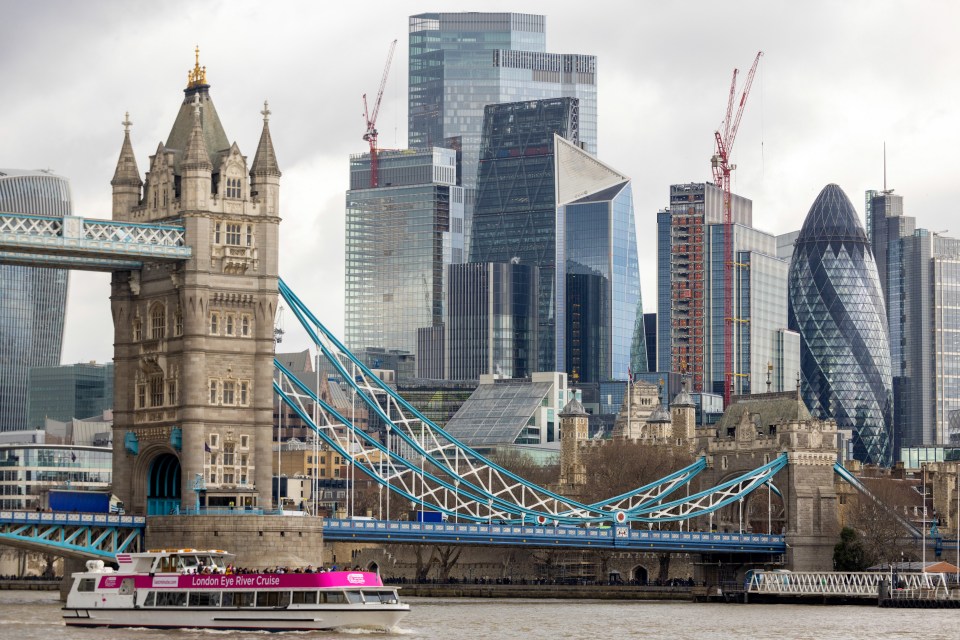
The picture for tech this year is mixed: established start-ups might struggle a bit, while early-stage start-ups have the potential to shine – especially those operating in London, writes Kevin Chong
London Tech Week is celebrating its tenth anniversary next week. It will be a space for tech entrepreneurs, policymakers and investors to come together and take stock of how British tech is doing globally.
The picture this year is a mixed one. Against a backdrop of non-stop interest rate hikes, a war in Europe and unprecedented tension between the world’s two superpowers, the landscape for tech entrepreneurs in 2023 is vastly different from that of the pandemic boom. From 2020 to early 2022, investor sentiment soared, and money flowed freely. In stark contrast, equity financing rounds for private tech companies in 2023 are smaller at all stages and are taking place at flat or down valuations.
In this environment, things look very different for early-stage start-ups and established start-ups.
In recent years, established start-ups went into ‘shock and awe’ mode, armed with easy money and relying on expensive direct customer acquisition strategies. This enabled them to demonstrate impressive growth metrics in the short term, but it wasn’t sustainable once they couldn’t rely on fundraising every twelve months. Now will be a difficult period for many established start-ups: many will have a tough time figuring out and executing more sustainable business models. Not all will be able to course-correct but those that do will emerge more valuable.
For early-stage start-ups, on the other hand, this is a time of great opportunity. It may sound counter-intuitive, but raising smaller funding rounds at lower valuations at the early stage can be better for founders in the long term. One advantage is the equity upside makes stock options a genuine force for attracting top talent.
It also gives founders the freedom to adjust business plans with less pressure than there would be with one big round. It was in March 2009, with the ashes of the global financial crisis still simmering, that three start-up founders decided to accept an investment of $610,000 having agonised over a valuation offer of barely $3m. Their company, Airbnb, is today a public company with a market cap of over $70bn.
Much of the national conversation on the tech sector currently revolves around persuading UK pension funds to invest in the UK’s growth economy and the frustration of seeing our best start-ups choosing to list in New York instead of London. But this diverts attention from early-stage start-ups. There is a strong case for pension funds to invest in start-ups at the growth stage, but it is certainly not for pension funds to invest in early-stage start-ups. And there is no need to debate listing locations if we find ourselves with no companies to list in ten years’ time.
Our policymakers led the world in 2012 when the Seed Enterprise Investment Scheme (SEIS) was launched. The SEIS 50 per cent tax relief for investing in early-stage start-ups was the most generous incentive anywhere in the world. SEIS was instrumental for the growth of the UK tech ecosystem, with a relatively minor impact on the Exchequer. It’s no wonder other countries have since copied the scheme.
Less well-known is that SEIS was updated starting with the 2023-24 tax year. The SEIS amount that individual taxpayers can invest in qualifying start-ups has doubled to £200,000, and start-ups can raise more SEIS money than before. Policymakers might want to explore how to extend the scheme to conventional venture capital funds so that inexperienced investors have more choice.
While times may seem tough for the UK tech ecosystem, the work done in the past ten years gives the UK – and especially London – tremendous advantages to capture the opportunities in a down cycle. There are very few places in the world with all the ingredients for a successful start-up ecosystem, not least the experience of repeat founders and world-class investors and services, and London is undeniably one of those.