Laffer warns Burnham that UK tax policy could choke growth ahead of budget
Veteran US economist Arthur Laffer says Britain’s tax trajectory risks a “death spiral” as bond yields surge.
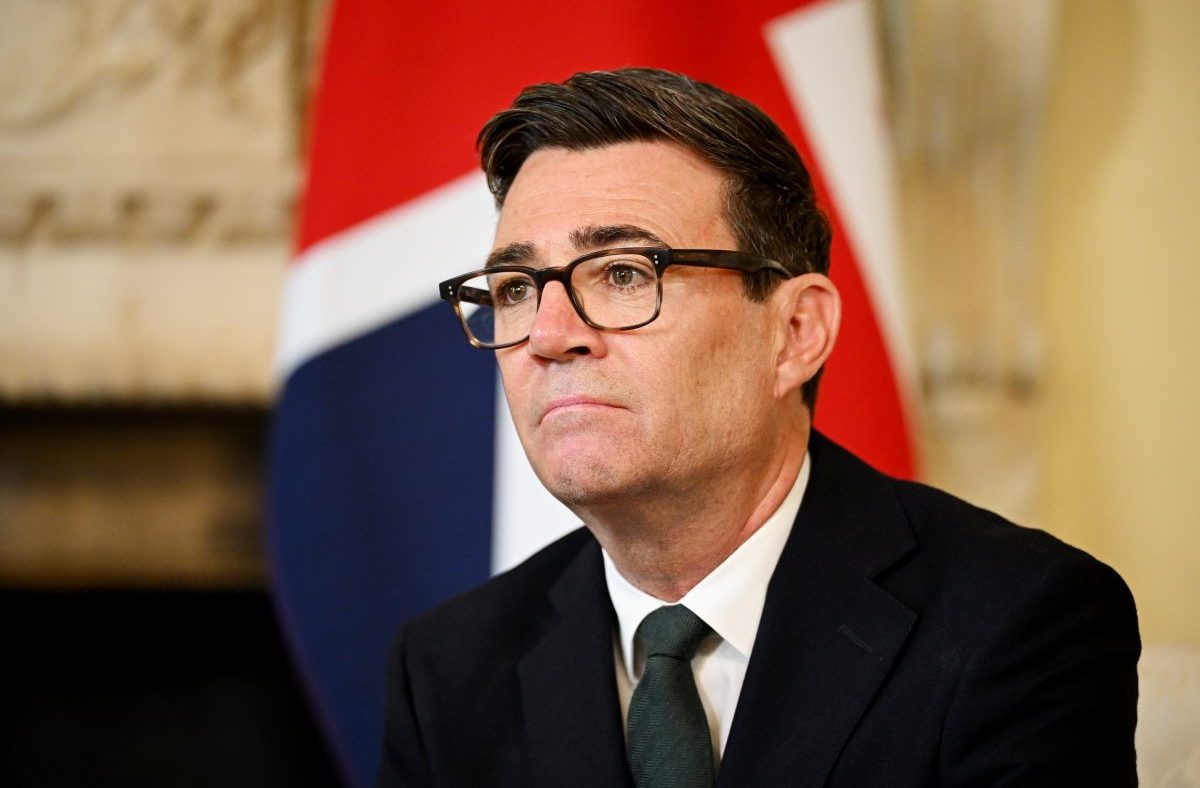
Arthur Laffer, a former economic adviser to three US presidents, warned Andy Burnham that Britain is "taxing itself to death" in the run‑up to the October budget. The comment came in an op‑ed for The Telegraph, where Laffer warned the UK was heading for a "death spiral" if current fiscal policies continue.
“I would love to see Britain become prosperous. That’s my dream. [But] your record is not illustrating a good set of policies. It’s really indicating exactly what you see when an economy gets in the death spiral.”
Laffer, best known for the Laffer Curve, argued that the problem is not insufficient revenue but stagnant growth and declining prosperity. He reminded readers that he once advised Ronald Reagan, Bill Clinton and Donald Trump on tax matters, and that no economy has ever prospered by raising taxes beyond a certain point.
Bond markets react to fiscal concerns
Global borrowing costs have surged in recent weeks, spurred by geopolitical tension over the Iran conflict and soaring spending on artificial intelligence. In the United States, the Treasury, led by Scott Bessent, doubled its bond‑buyback programme to stabilise yields.
Britain felt the ripple effect last week when the 10‑year gilt yield jumped to 5.294 per cent, the highest level since the 2008 financial crisis. The spike threatens to dominate the narrative of Burnham’s first parliamentary session, prompting the new prime minister to pledge “fiscal responsibility”.
Political pressure and the road ahead
Former economic adviser Lord Jim O’Neill, who declined a formal role in Burnham’s cabinet, urged immediate action to calm investors. He suggested credible steps to curb the “excesses of the triple lock” and rein in welfare spending.
Analysts expect the upcoming budget to be a balancing act: any fresh tax measures could deepen market scepticism, while a restrained approach may leave the government short of funds for public services. The debate mirrors concerns raised in a recent piece on spending and growth in the UK.
In the weeks ahead, the Treasury’s ability to manage gilt yields and the government’s willingness to adjust tax policy will shape investor confidence and the broader economic outlook.