UK business secretary to meet Jaguar Land Rover as 4,000 jobs face redundancy
Jaguar Land Rover will announce a voluntary redundancy programme of 4,000 jobs and the UK government has ruled out a bailout.
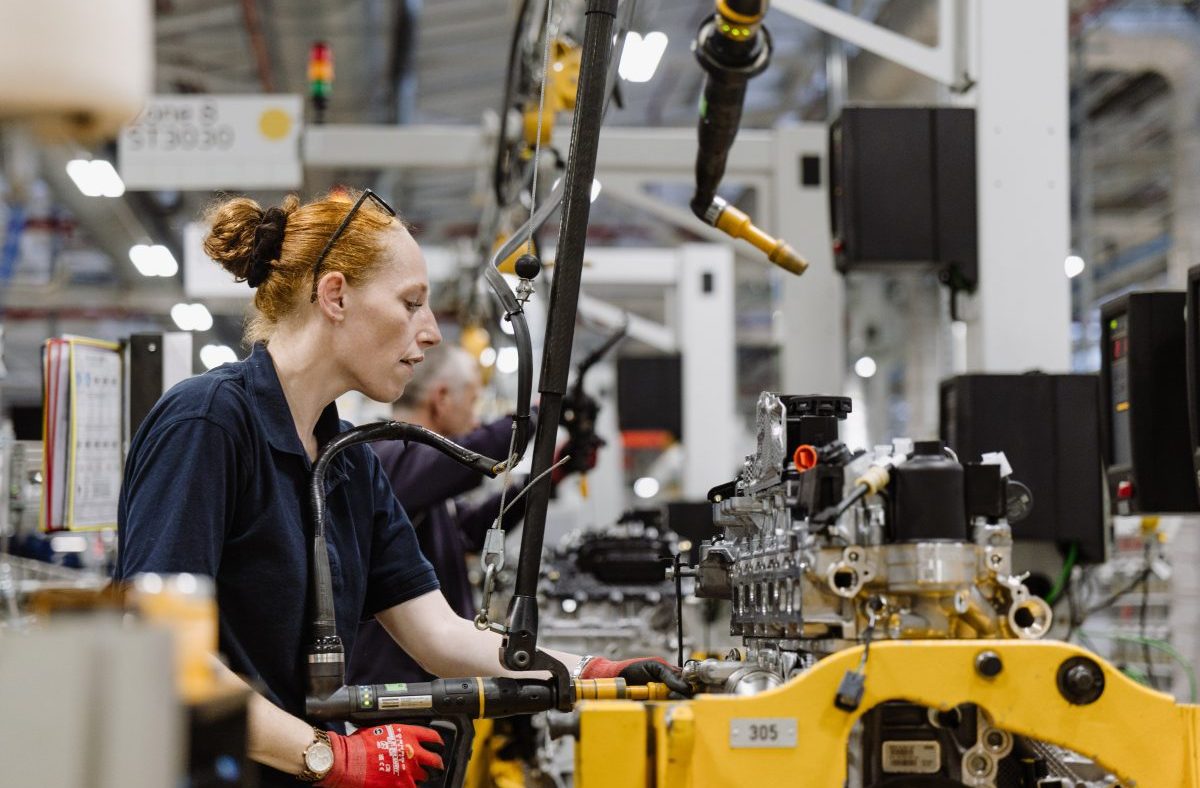
Jaguar Land Rover has unveiled a voluntary redundancy programme that will see up to 4,000 positions eliminated as the company seeks to curb costs amid falling sales and a challenging market environment. Jonathan Reynolds, the business secretary, told the BBC’s Laura Kuenssberg show that the government will not provide a financial rescue "if it’s to bail people out". He has already spoken with PB Balaji, chief executive of the British carmaker, and will meet the senior leadership in the coming days.
Job cuts and financial pressure
The carmaker employs 34,000 staff across its three UK sites and supports another 120,000 jobs in its supply chain. The cuts come after a 10 % drop in revenue for the three months to June and a pre‑tax profit slump of more than two‑thirds to £109 million. Analysts point to a combination of weaker demand, a five‑week production halt caused by a September cyber‑attack, and the impact of Donald Trump’s tariffs on UK car imports to North America, the group’s biggest market, accounting for 29 % of sales.
Government response and next steps
The Department for Business and Trade has already introduced measures such as reduced energy bills and £4 billion in capital and research funding for zero‑emission vehicles, but it will not step in with a direct bailout.
“A company the size of JLR, which is a huge British success story, at various times in its business cycle, the number of, directly, people it employs will change,”Reynolds said, adding that the conversation should focus on making the workforce right for a competitive future.
Tata Motors, the Indian owner of the brand, is pressing Balaji to accelerate cost reductions after taking the helm last year to stabilise the balance sheet. Union leader Sharon Graham of Unite said she will meet Reynolds and Balaji next week, warning that “death by a thousand cuts” has been ongoing under successive governments. The upcoming meetings will likely shape the final structure of the redundancy plan, the pace of cost‑saving initiatives, and whether additional support for affected workers will be arranged.
Industry observers note that the outcome could set a precedent for how the UK government engages with large manufacturers facing structural challenges, a debate echoed in recent discussions about broader public spending on growth in the context of government spending. For now, the focus remains on mitigating the impact on thousands of families and preserving the long‑term viability of the British automotive sector.