Collaboration and compromise, not catastrophe: the key to defusing landlord-occupier tension

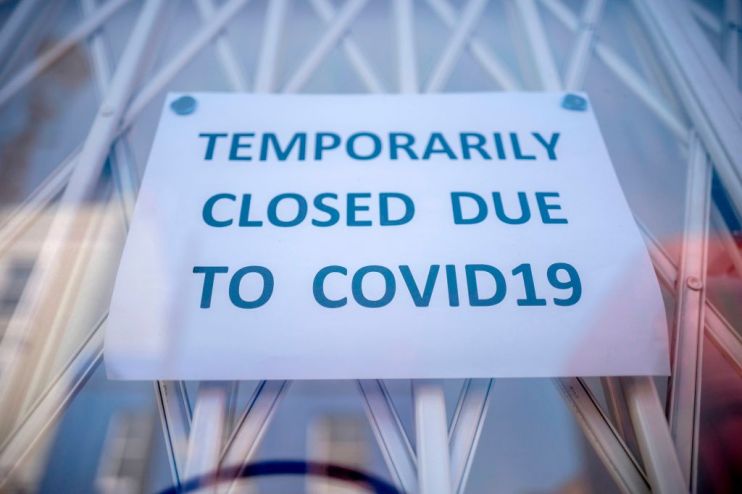
Tensions between commercial landlords and their financially stressed tenants continue to grow, and how landlords respond will be critical to the recovery not only of the real estate sector, but of the wider economy.
The government announced a further extension to the commercial rent moratorium, preventing landlords from taking recovery action through until the end of 2020.
On the face of it, the rationale is logical. A bill for nine months’ rent due on 1 October could prove the final straw for many businesses, especially alongside the curtailing of the Job Retention Scheme and the growing threat of further lockdowns.
Read more:
That said, we cannot overlook the precarious position of property owners absorbing much of the strain being felt by their occupants. While it’s easy to empathise with the beleaguered restauranteur or hairdresser, the impact of rent non-payment is ultimately felt by all of us through our pension funds, insurance policies and savings accounts. The value of the real estate sector to UK PLC shouldn’t be underplayed either, with the British Property Federation estimating a contribution of £100bn to our economy, not to mention a million jobs.
With a vaccine remaining a distant prospect, this extension may serve to simply kick the can down the road. Yesterday, the third quarter payment deadline passed; the property industry body Revo has warned that less than 50 per cent of rent due was expected to be paid, and retail rent arrears could exceed £2bn. Indeed, the next rent quarter is likely to lack festive cheer, with some owing 12 months’ rent.
Collaboration is essential
The enforced hiatus does, however, provide some opportunity to consider more innovative solutions. By entering into open and honest conversations, collaboration and compromise could allow both landlords and occupiers to weather the storm.
Landlords must consider how they can support their present occupiers, while also recovering money owed and minimising the risk of potential covenant breaches. One avenue may be allowing payment of the backdated rent over six, 12 or even 18months – arguably being more realistic with repayment plans while also avoiding arrears building up further.
This could be combined with a more extensive review of current lease agreements, supporting ongoing occupancy. Rents based on turnover is one area of innovation that may support viability, while maintaining the vibrancy of retail parks, shopping centres and high streets across the UK.
There are practical implications of turnover rent schemes that landlords need to consider though. As well as additional administrative and auditing costs, landlords need to consider the appetite of their own stakeholders to, in effect, share the operating risk of the tenants through “lumpier” and uncertain income profile.
Occupiers, on the other hand, need to be transparent, honest and realistic with their landlords on their own financial performance. Turnover rent agreements, for example, require an unusual degree of openness about financial performance. Being able to share a clear strategy for the post-Covid-19 recovery can give landlords comfort that there is opportunity for turnaround. Businesses may be surprised at the willingness of landlords to engage with ideas that can keep the lights turned on, maintain footfall and provide a continued income stream.
Challenges ahead are inevitable. Site closure programmes are going to leave vacant units that may take months or years to be reoccupied or repurposed. Other occupiers will fail completely, leaving unrecovered arrears. Longer term, landlords will also need to grapple with the most significant market shift in commercial property in a generation, as demand pivots towards the suburbs and the North.
It won’t be easy, but with collaboration and a shared goal, I’m optimistic that both owners and occupiers can play their part in our COVID-19 economic recovery.
Main image credit: Getty