Lessons in growth from East London’s meteoric rise
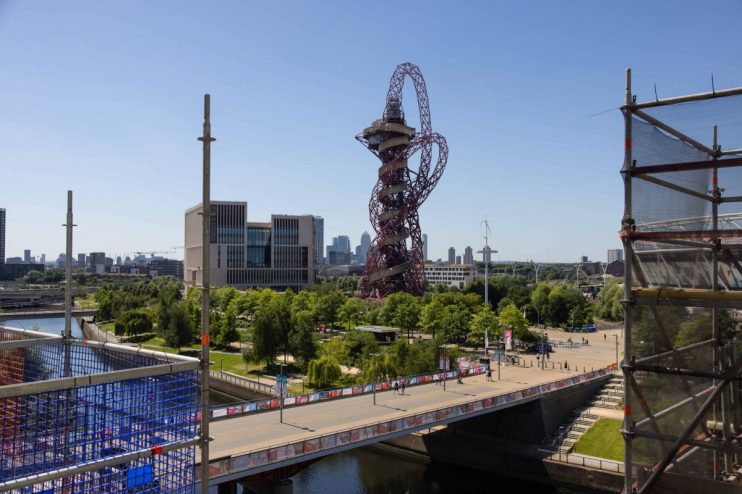
What we can learn from the astonishing ascendancy of East London from a wasteland to the fasting-growing, hippest area of the capital
London has long established itself as a global hub for a range of digital and innovative sectors, from pioneering technology, film and television to the arts and fashion and a plethora of creative industries.
But this world-leading position is under threat. Funding for tech and AI is set to be reduced by £1.3bn and, if major creative industries such as film stall then other cities such as Paris and Berlin will continue to gain ground.
London and the rest of the UK stand at a pivotal point. The government plans to position the UK as “open for business” and, with the International Investment Summit set to kick off next week, the Chancellor has an opportunity to refocus energies and investment into London’s burgeoning tech and creative sectors.
Prioritising funding for certain industries and areas has proven successful in other global cities and will be critical for maintaining London’s global edge. Nowhere is this more apparent or relevant than in East London. Here, a thriving ecosystem in the Queen Elizabeth Olympic Park has emerged through long-term planning and dedicated financial support. The unique form of public-private partnership, spearheaded by the London Legacy Development Corporation (LLDC), continues to deliver growth and economic benefits for the community, the capital and our country – and can offer a blueprint for similar growth elsewhere.
Industrial wasteland to thriving innovation ecosystem
It has been 12 years since the 2012 Olympic Games came to London, and almost 20 years since the UK won the bid to host the event. Since then this part of London has been completely transformed. The area has transcended from an underdeveloped and deprived district into one of the UK’s most vibrant and generative ecosystems for innovation and creativity. Investment towards a long-term vision has created a legacy that extends beyond sport, repurposing industrial and underutilised areas not just into a hotbed for creatives, but for thriving businesses too.
The park has evolved beyond hosting the world’s best in athletics, football, basketball, swimming, cycling and esports and is now attracting global sports businesses to base their teams in Stratford. They are joined by renowned creative companies like Sega’s Sports Interactive, cultural institutions such as the V&A, Sadlers Wells, and Studio Wayne McGregor, as well as leading UK universities Loughborough University, University College London and the University of the Arts London. Footfall continues to flow with new immersive events, including the success of Abba Voyage and creative festival SXSW announcing that they will be holding their inaugural UK festival in East London next year.
The east of the capital has proven itself to be adaptable and attractive to the most forward-thinking offerings. Not just for its infrastructure, but for its dynamic cross-sector approach that places tech, education and creative businesses shoulder to shoulder and prioritises cross pollination of ideas and talent, fuelled by the LLDC’s Shift innovation district.
Here East, for example, which is the technology and innovation campus based on the Olympic Park, has attracted businesses that span sectors including medical technology, automation, green tech, robotics, architecture, game development and dance. It is also home to one of the world’s largest cyber security programmes, Cyber Runway, delivered by the innovation team in Plexal.
These industries require more than just office space, they need room for growth and an environment that stimulates creative thinking and the creative process.
Crucially, this growth continues to be sustained by a talented, ready, and willing workforce. By placing universities side by side with promising start-ups and cutting-edge companies, budding talent rubs shoulders with the sectors in need of fresh thinking and innovative skills. At Stratford Cross, Lendlease’s mixed-use neighbourhood on the edge of the park with over 200,000 sqm of Grade A workspace, the landmark Turing Building has dual planning consent for business and higher education use – maximising opportunities for collaboration. It’s this type of dynamic approach that ensures East London is not only keeping pace with technological prowess but driving it towards continued economic growth.
The macroeconomic ripple of the East End
Prioritising investment in certain areas and industries can have a powerful impact on surrounding communities. The past decade has seen over 110,000 jobs created in the boroughs surrounding the Queen Elizabeth Olympic Park and local employment has grown by 40 per cent – making East London the fastest-growing area of the capital.
East London is not just an isolated or local success story, but a national one. It did not happen overnight or by magic. The Olympic investment into the area contributes around £1.5bn of economic value for the economy and has enabled the creation of around 2,500 jobs. While the success is clear, the challenge now is how we continue to leverage this and replicate our learnings across our economy.
By focusing on clusters within the city, tech companies can collaborate with creatives, students can become pioneers and London can maintain its global standing. Forums such as yesterday’s ‘The Future is Now’ event held in the Queen Elizabeth Olympic Park at Here East are pivotal in this process. Bringing together CEOs, business leaders, local leaders, and policymakers to discuss the future of London as an innovation hub, is crucial to ensure all stakeholders and sectors are considered in London’s next phase of growth.
With the new government setting out bold ambitions to deliver nationwide growth, East London’s success story should be leveraged as a framework for how long-term vision and targeted policies can unlock sustained economic growth. For this model to continue delivering, the Budget must reward the regions and industries that continue to deliver for the economy. East London, with its proven track record of agility and innovation, stands ready to lead.