Skip to content
Friday 21 August 2026London --:--Frankfurt --:--Zurich --:--
NewslettersSearchEN · DE · FR
MorningWire

European business, markets and politics

FTSE 100
10,818.44
+0.65%
DAX
26,115.30
+0.51%
CAC 40
8,478.87
+0.30%
STOXX 50
6,451.55
+0.46%
  • Europe
  • Markets
  • Business
  • Economy
  • Regulation
  • Politics
  • Opinion
More
GermanyFranceEU InstitutionsCompetitionPublic AffairsBankingTechnologyEnergy
  • Germany
  • France
  • Europe
  • Markets
  • Business
  • Economy
  • Regulation
  • Politics
  • Opinion
  • DE
Wednesday 29 July 2015 12:31 pm

Lessons in wine: Why you should know your terroir

By: Express KCS

Add as a preferred source on Google

If the clothes make the man, does the soil make the wine? This posit is often made by winemakers, wine lovers and wine snobs alike, all utilising the term “terroir”. But what does terroir mean and does it truly make a difference to wine?

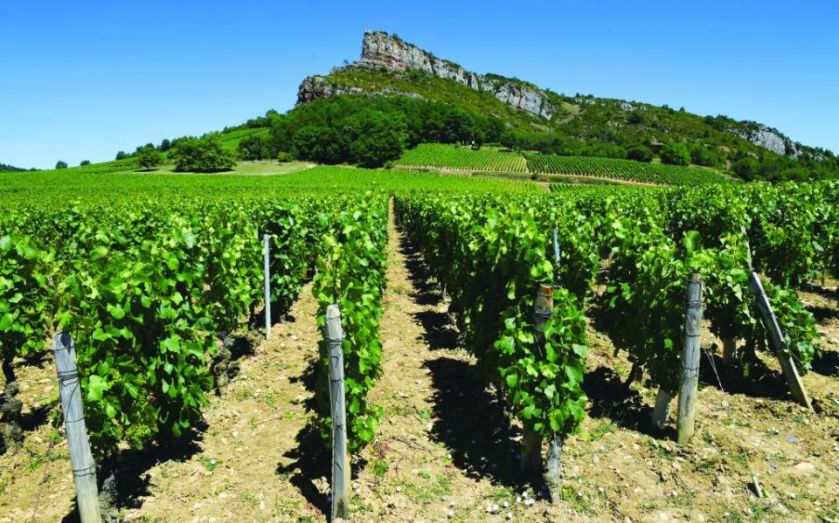
In the broadest terms, terroir describes the unique characteristics of a wine based on its place of origin. This generally includes soil (or “terre” in French), climate, and terrain: think of how a Chardonnay from California can taste completely different from a Burgundian Chardonnay. California’s warmer climate and Burgundy’s stonier limestone soil certainly play a large factor. Even within California, Chardonnays from vineyards grown in the Santa Cruz Mountains won’t taste the same as those from the hot, flat plains.

But this seems too basic. If terroir is only based on sunshine and soil, would a hot year in Bordeaux produce Napa-like Cabernets? Why would wine bars in cities from Paris to New York — not to mention Sao Paolo to San Francisco to Shanghai — name themselves Terroir (or “Terroirs” in London)? And why are winemakers such as Randall Grahm of Bonny Doon Vineyards in California self-proclaimed terroirists?

I hate to say blame it on the French, but you can blame it on the French. Perhaps no winemaking region in the world takes terroir as seriously as Burgundy, whose vineyards were hierarchically classified by Cistercian monks in the 14th century. The monks studied viticulture religiously, basing a vineyard’s status on its location and soil type after having noticed that, in general, grapes grown in the middle section of a slope benefited the most from sunshine and water drainage. These often became the Grand Cru (Great Growth) vineyards, with those plots just above or below becoming Premier Cru (First Growth), and those plots on the flatlands or very difficult terrain given a basic “village-level” designation. Soil mattered to the monks, too; there are a multitude of vineyards named after rocks and their various shapes, such as Les Dents de Chien (the dog’s teeth) or Les Caillerets in Chassagne-Montrachet (caille meaning stone).

Of course, the Bordelais couldn’t let their Burgundian rivals have the monopoly on terroir, proclaiming the merits of their gravel on the Left Bank and Graves, and clay marl on the Right. In Napa, one speaks of “Rutherford Dust”, and the best vineyards of Chateauneuf du Pape are known for their large, flat galets, which retain heat and reflect it back onto the vines.

As for me, I am a believer in terroir. I have tasted grapes from vineyards where one row’s fruit tasted completely different to an adjacent row on a slightly higher gradient or with slightly sandier soil. You may even have noticed the effects terroir in your garden or fridge: does one patch of your garden produce better blooms than others? Are Kentish strawberries sweeter than Cornish? Happily, the only way to form a solid opinion when it comes to wine is to drink more.

[custom id=”2″]

Share this article

  • Facebook
  • X
  • LinkedIn
  • WhatsApp
  • Email

Similarly tagged content:

Categories

  • Food
  • Life&Style

Trending Articles

  • South Africa need cash from New Zealand Tests but All Blacks fans not like Lions

  • Prince Harry hit with £9.5m Daily Mail legal bill

  • Ratcliffe’s Ineos saves Runcorn salt plant

  • Billionaire Bill Ackman donates £300m to brain research centre after daughter suffers haemorrhage

  • UK economy’s rebound fails to stem two years of mass job losses 

More from Morning Wire

  • For Albarino in the City, head to Humble Grape

    Toast the City
    Libby Albarino holding a bottle of Zarate wine and a glass by the ocean
  • Greek wine perfectly suits summer. These 5 bottles are the best

    Life&Style
    Two women smiling, one in blue holding white Greek wine, another in white holding red wine, under grapevines.
  • Humble Grape is up for two Toast the City Awards: Here’s why

    Toast the City
    Exterior view of Humble Grape Bow Lane showcasing its inviting entrance and rustic charm on a bustling London street.
  • Why chilled red wine is the coolest thing to drink right now

    Wine
    Libby Brodie polling
  • A tribute to wine legend Matthew Jukes by his friend Libby Brodie

    Life&Style
    Libby Brodie and Matthew Jukes raising a toast at a celebratory event, smiling and holding a glass, conveying joy and success
  • Humble Grape is a wine bar like no other: Here’s its origin story

    Toast the City
    Exterior view of Humble Grape Bow Lane showcasing its inviting entrance and rustic charm on a bustling London street.
  • Why lighter, chilled Claret is causing a stir

    Life&Style
    Claret wine bottles displayed on a wooden shelf, showcasing diverse labels and changing trends in the wine industry
  • We take a food and drink Odyssey through the Square Mile

    Life&Style
    Libby in a warrior costume with a helmet, holding a glass of red wine, with an ancient ship and people in background.
MorningWire

Independent European business, markets and political news for decision-makers.

Morning Briefing

Europe

  • Germany
  • France
  • EU Institutions
  • Europe

Business

  • Markets
  • Business
  • Economy
  • Regulation
  • Competition
  • Public Affairs

Editorial

  • Opinion
  • Editorial Policy
  • Corrections
  • Contact

Company

  • About Morning Wire
  • Privacy Policy
  • Terms of Use
  • Cookie Policy
© 2026 Morning Wire Ltd · Published by Morning Wire Media, Bahnhofstrasse 65, 8001 Zürich, Switzerland
Privacy · Terms · Cookies · Facebook