Let’s be honest, taking back control with Brexit does not mean knee-jerk isolationism

Brexit means the ability of making our own choices; it doesn’t mean isolating our nation from the EU and other partners. If we understand this, we can make Brexit a success, writes Matthew Lesh
“Brexit means Brexit,” bellowed former Prime Minister Theresa May, “and we’re going to make a success of it.” These words were first spoken in July 2016, amidst the Conservative Party leadership campaign, and are oft-repeated. For many, the tautology raised more questions than it ever answered. What does Brexit mean? How will it be made successful?
In its rawest terms, Brexit only meant ceasing formal membership of the European Union. Whether and how this would be enacted toxified British politics for several years. In the end, we settled on a divorce agreement that would – albeit with major exceptions, particularly for Northern Ireland – allow the UK to set its own path. It would, in the famous words of Vote Leave, “take back control”. We would not, for example, continue membership of the single market, which entailed accepting ‘free movement’ and EU rules without a say in their development.
In the post-Brexit era, the question is whether we will successfully exercise our newfound freedoms. This debate is highlighted by the government’s recent decision to continue recognising “CE” marked goods to be purchased in Britain indefinitely. The CE mark means a product conforms to European health, safety and environmental protection standards. The original intention was to replace the CE mark with a new UKCA.
The decision to keep recognising the CE mark has been framed by some, such as the MailOnline, as “another Brexit climbdown”. But this couldn’t be further from the truth. If anything, Brexit means the freedom to decide what products are sold in the British market – rather than having that imposed by the EU. Our elected representatives have concluded that goods consistent with the CE mark should continue to be sold. This is precisely how Brexit should work.
The merits of this decision can and should be debated, but the case against is particularly weak. Why should British consumers be prevented from purchasing toys, household appliances and medical devices with the CE mark? Is it really necessary to impose the cost of conforming with an alternative system on all British businesses?
Notably, businesses will be able to use the CE or UKCA mark. This creates regulatory competition, which gives companies and consumers more choices and can help drive up trade, productivity and economic growth. The next step is for the UK government to make sure UKCA standards are the most appealing; while also recognising equivalent standards from other developed economies like Australia, Japan and the United States.
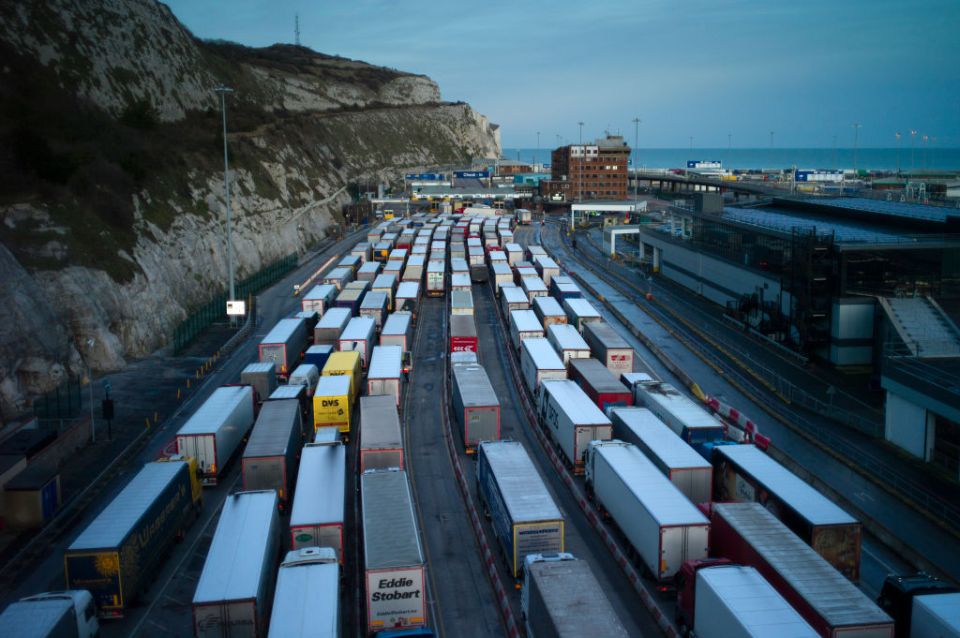
This overall principle – of using Brexit to open up trade rather than as an excuse to be isolationist – can be applied to the other recent decision to delay full customs checks on EU foods. More cumbersome checks on food and animal products entering the UK were meant to start in October but will be delayed till 2024. This is because of concerns over the inflationary impact of slowing down trade. Considering the precisely zero evidence of a plague of substandard products entering the UK from the EU, it’s unclear why more checks will ever be necessary.
Over the coming years, there will be more decisions about how the UK trades with the EU and the rest of the world. Brexit simply means that British representatives can make these choices, not that they must point in any particular direction. If we make the right choices, then Brexit can both mean Brexit and be a success.