Levelling up is possible — but the government has to listen to what people want

Levelling up. This slightly odd turn of phrase is set to become one of the defining tests of the new Johnson government.
Inequalities between the regions and nations of the United Kingdom are not a new problem, and nor are central government policy initiatives designed to tackle them.
Business communities — particularly those outside the south east — have seen wave after wave of institutions, funding pots, and proclamations from politicians stressing their determination to close to the gap in output and productivity. Yet that gap remains as stubborn today as it was in 2000.
In its post-election zeal, Westminster must not forget the lessons of the past two decades. So how can 2020’s “levelling up” be genuinely different?
Start with the two Ds: delivery and devolution. Listen to the clamour from our towns and cities for both big, transformative infrastructure projects and smaller local schemes that make daily life better.
Business and community leaders have spent decades campaigning for improved local infrastructure, for a greater say in decisions that affect the wellbeing of local people, for local environmental priorities, and for training that matches the needs and aspirations of local firms.
They already know which projects would make a real difference to people, places, and prosperity.
Second, ministers should look carefully at reforming the inflexible and out-of-date Treasury Green Book rules, which have been a hurdle for many important regional transport and regeneration projects. These reforms, coupled with the chancellor’s newfound willingness to use the state’s balance sheet to increase investment in infrastructure, could finally help get more of these schemes moving.
Third, the government must remedy its three-year-long failure to set out a clear replacement for the EU Structural Funds, which have been an important component of so many local projects across the UK. It should be relentless in pursuing — and, where necessary, funding — UK-wide high-speed fibre and 5G networks.
And the Prime Minister himself should definitively recommit his government to the critical infrastructure projects that so many outside of London have wanted to see delivered for so long.
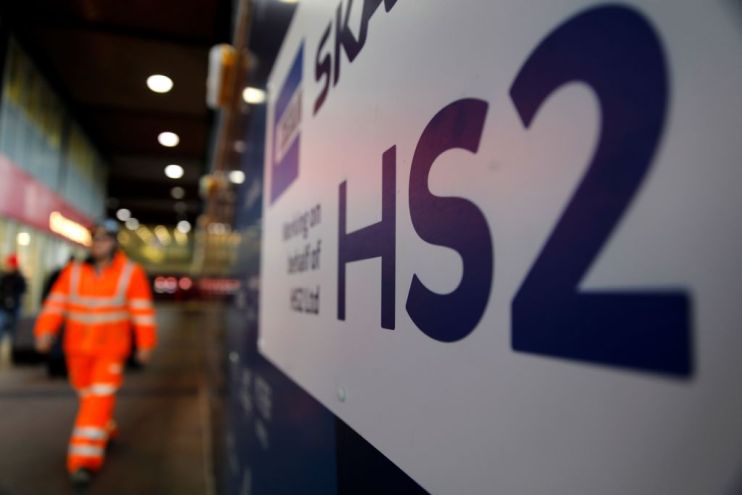
Towns and cities across big swathes of the UK have built their future growth plans around HS2 and the connectivity and growth boost that it will bring. A U-turn on HS2 would therefore result in a great “levelling down” of investment and aspirations — torpedoing the government’s core objective right from the start.
The same holds true for other big-ticket projects, like the Lower Thames Crossing, the upgrade of the A14 to the East Coast ports, and other much-needed road and rail schemes. Failure to deliver on these projects would be to fail our towns and smaller cities, too.
So “levelling up” means both making the big calls that only central government can take, and empowering places to make their own decisions.
On the latter, the English Devolution White Paper would be a good place to start. Business communities in smaller cities, towns and counties have watched over recent years as greater power has been awarded to the biggest metropolitan centres.
Spreading this to other areas has the potential to be transformative, but only if the core objective is to drive local growth and prosperity. Devolution must be a means to that end, rather than an end in itself.
The Budget on 11 March provides an important, early opportunity for this government to demonstrate what it means by “levelling up”. Ministers should use it to follow through on the big infrastructure projects the UK needs — and to empower the regions that stand to benefit from them.
Main image credit: Getty