London is in a race for space – and developers need to do more than look up

Tall buildings are great, but with huge demand for quality physical space in the capital, the construction industry needs to be more creative, says Ged Simmonds
Despite post-pandemic fears of vacant buildings and stranded assets, recent coverage has revealed that London is now in the midst of a ‘race for space’. News that Deloitte has signed up to additional office space, less than two years after slashing their estate, is further proof that staff are returning to the office in their droves more regularly. As a key London based contractor, this enduring demand is something we know to be true.
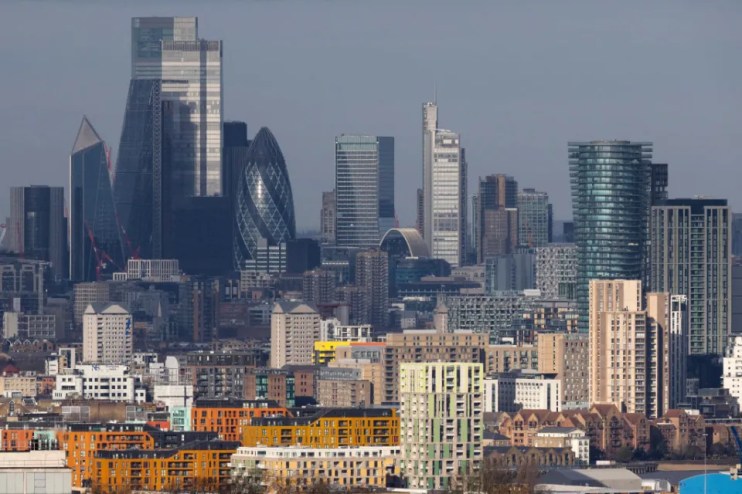
The London skyline has long been dotted with the red lights of construction cranes, a great sign for the capital – illustrating a city that is full of confidence, and ripe for investment.
A far cry from the predictions of post pandemic naysayers, the reality of London in 2024 is a high demand for quality physical space. Wherever you are in London, you probably aren’t too far from a construction site, maybe even one of ours. From sustainable office spaces to the consideration of logistics hubs, companies are competing for the best spots – and developers are doing what they can to unlock the space required.
When space is tight, planners tend to look up – hence the boom in planning applications for tall buildings that we’ve seen.
Canada Corporation recently revealed that the Square Mile will, over the next several years, see a staggering amount of floorspace built – they say, a gross figure of more than 9,000,000sq ft of additional floorspace is to be built.
Of course, going up isn’t the only option. The built environment industry has a suite of creative solutions and bright minds. London is a powerhouse of world-leading architects, engineers and contractors. If there’s a problem, we can collectively find a solution.
One area with a lot of potential is over-station developments. We are currently on-site with the erection of two such developments, one over Moorgate station and the other at Liverpool Street, we are honoured to be taking a leading role in this specific construction expertise. Over-station developments are a great solution as they allow for density in well-connected central locations, using airspace that previously was neglected. If we are to meet the clear demand for new space, this solution needs to be more widespread.
Another area where we’ve seen a growing demand since the pandemic is so called ‘last-mile’ logistics spaces. The boom we’ve experienced in e-commerce – driven largely by the pandemic and the growing popularity of active travel – combined with the drive for more sustainable practices, has meant a growth in demand for logistics hubs which are close to consumers.
Last mile logistics hubs act as the final stage of the logistics process – goods get delivered to a warehouse in the usual way and then get delivered to the consumer by foot, by bike or with an electric vehicle – reducing the overall number of vehicle movements.
These hubs can be located in all sorts of locations, from railway arches to disused car parking facilities. They can also be co-located with other mixed-use schemes, incorporating homes, shops and other leisure facilities. One such scheme, built onto an abandoned railway in Paris, is home to a data centre, offices, tennis courts and even an urban farm.
With all the underutilised space we have in London, there are endless opportunities to creatively transform tired buildings, which are no longer fit for purpose. In the industry, we call this ‘adaptive re-use’. Under-utilised or difficult to let offices could be turned into much needed lab space, or old warehouses could be turned into offices.
Construction is the only thing that will continue to grow the magnetic attraction of London and allow the city to continue to meet the demand for business space. So, let’s continue to build up – but let’s not limit ourselves to that. If we put our collective minds together and embrace bold and ambitious building, we can end this race for space, and help retain London’s reputation as the best place in the world to live, work and play.
Ged Simmonds is managing director – private sector at Mace Construct