Skip to content
Sunday 9 August 2026London --:--Frankfurt --:--Zurich --:--
NewslettersSearchEN · DE
MorningWire

European business, markets and politics

FTSE 100
10,901.09
+0.31%
DAX
26,319.45
+0.69%
CAC 40
8,714.93
+0.17%
STOXX 50
6,523.86
+0.33%
  • Europe
  • Markets
  • Business
  • Economy
  • Technology
  • Politics
  • Opinion
More
GermanyFranceBankingAIEnergyFintechPropertyCapital Markets
  • Germany
  • France
  • Europe
  • Markets
  • Business
  • Economy
  • Technology
  • Politics
  • Opinion
  • DE
Thursday 29 August 2024 6:00 am  |  Updated:  Tuesday 27 August 2024 10:00 pm

Next pay ruling heralds impending employment law headache

By: Morning Wire Reporter

Add as a preferred source on Google
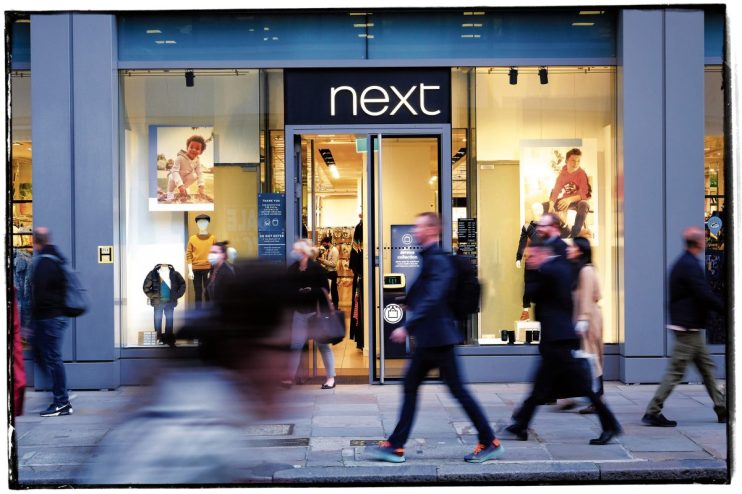
Next increased its full-year profit forecast by £14m

The Employment Tribunal accepted that the difference in pay rates between Next’s shop floor staff and their warehouse-based colleagues was not down to “direct discrimination” or the “conscious or subconscious influence of gender” on pay decisions.

Why, then, did the retailer lose the claim brought by store staff? The answer concerns the much thornier issue of whether roles are deemed to be of “equal value”. Next argued that in the wider labour market rates of pay for warehouse workers are higher than for shop-floor workers, and so they pay their warehouse workers more.

There could be any number of reasons why warehouse workers tend to command higher wages; the work could be more physically demanding, less social, more dangerous or harder to get to. Whatever the reason, the market’s hidden hand has had its say and Next (along with many other retailers, large and small) acted accordingly, offering rates of pay deemed necessary to attract and retain staff in particular roles or under particular conditions. In a free market, an individual is free to take their labour elsewhere in pursuit of higher pay. Indeed, given that only 52.75 per cent of Next’s warehouse operators are male there are clearly plenty of women who have done just that.

But the “equal value” test distorts market forces and removes an employer’s ability to take into account intangibles when setting pay. When it comes to the lower rates of pay offered to Next’s shop-floor employees, the claimants’ barrister said that “[The tribunal] rightly found that Next could have afforded to pay a higher rate but chose not to and that the reason for that was purely financial.”

This assertion is deliberately provocative (should an employer be compelled to offer higher rates of pay if it can be demonstrated by the state that they could “afford” to do so?) but it does reflect the emerging and contentious reality that an employers’ ability to set different rates of pay across their operations is being eroded by ever more layers of employment law.

The implications of the tribunal’s ruling are potentially profound and while Next, which is appealing the decision, points out that “this is the first equal pay group action in the private sector to reach a decision at tribunal level” it’s unlikely to be the last.

Read more

Starmer’s final act will expose firms to more bogus equality claims

Business conference attendees networking at a corporate event with banners and presentation screens in the background

Share this article

  • Facebook
  • X
  • LinkedIn
  • WhatsApp
  • Email

Similarly tagged content:

Sections

  • Opinion

Categories

  • Business

People & Organisations

  • Next

Related Topics

  • Company

Trending Articles

  • How Britain can stay clear of rivals as home of overseas sport club owners

  • Why the Loire Valley is about so much more than fairytale castles

  • Why HMRC is huge Premier League transfer window tax headache

  • Thames Water faces fresh threat to survival after pensions regulation breach

  • Back to basics: Sainsbury’s gradual retreat from the British high street

More from Morning Wire

  • Starmer’s final act will expose firms to more bogus equality claims

    Opinion
    Business conference attendees networking at a corporate event with banners and presentation screens in the background
  • Warehouse tax could threaten high street businesses, Burnham warned

    Retail
    Amazon logo on a building, representing the e-commerce giants brand and corporate presence.
  • Staff would turn down promotion to keep flexibility at work

    Retail
    Keir Starmer is heading to China
  • Burnham’s high street tax plan carries £880m price tag

    Retail
    High streets emptied out as retail sales fell in May.
  • How patient can the Bank of England be?

    AD
    Historic Royal Exchange building in London with modern skyscrapers behind, clear blue sky.
  • If Burnham wants firms to hire young people, he needs to get out of their way

    Opinion
    Labour's Rachel Reeves has been urged to offer a tax relief to curb the number of Neets in the UK.
  • Nearly 1m people to pay higher tax ‘by stealth’

    Economics
    Tax Trap: Another 74,000 taxpayers were added to the punitive £100,000-£125,000 income bracket during the 2024/25 tax year
  • CoStar Data Shows Amazon, Defence and Chinese Firms Drive UK Warehouse Demand Recovery

    Business Wire
MorningWire

Independent European business, markets and political news for decision-makers.

Morning Briefing

Europe

  • Germany
  • France
  • Europe
  • UK & Ireland

Business

  • Markets
  • Banking
  • Technology
  • Energy
  • Property
  • Fintech

Editorial

  • Opinion
  • Editorial Policy
  • Corrections
  • Contact

Company

  • About Morning Wire
  • Privacy Policy
  • Terms of Use
  • Cookie Policy
© 2026 Morning Wire Ltd · Published by Morning Wire Media, Bahnhofstrasse 65, 8001 Zürich, Switzerland
Privacy · Terms · Cookies · Facebook