Oil climbs above $87 as Trump signals tougher stance on Iran talks
Brent crude holds above $87 a barrel after President Trump hardens rhetoric on Iran, while London's blue-chip index retreats.
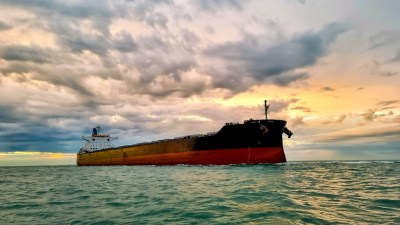
Oil prices extended their rally for a fourth consecutive session on Tuesday, pushing the international benchmark Brent crude above $87 a barrel, after Donald Trump signalled a hardening of the US position in talks with Iran. The move dealt a blow to hopes that energy costs were beginning to ease after a volatile few months.
The president told Axios that Washington was only "semi-negotiating" with Tehran and would scale back efforts to reopen the Strait of Hormuz, the critical chokepoint for global oil shipments. He added that the US was watching Iran's high inflation and strained finances, describing the standoff as "like a chess game".
Iran sets conditions for any deal
Tehran, meanwhile, is negotiating with Oman on a partial reopening of the strait but has laid out six preconditions. These include a permanent end to what it calls war and aggression against Iran and its allies in Lebanon, Palestine, Yemen and Iraq, as well as reparations for people killed in recent conflicts. The Iranian demands mirror the compensation claims Trump himself has now put on the table.
We are only semi-negotiating with them. We are just watching Iran with its huge inflation and the fact they have no money. It will work out. It always works out. It's like a chess game.
Markets react
The FTSE 100 opened lower as the oil surge weighed on sentiment. Among individual movers, shares in flexible workspace provider IWG recovered from an early dip, while housebuilder Bellway was flagged by analysts as facing a difficult year amid the housing market slowdown. Funding Circle secured a £500m funding facility from Castlelake, and hotel group IHG warned of a hit from reduced tourism linked to Middle East tensions. On the AIM market, an AI developer that tracks driver eye movements reported a sharp revenue increase.
With both sides issuing public demands and the strait's status unresolved, traders are pricing in a prolonged period of supply uncertainty. Any disruption to flows through Hormuz, through which roughly a fifth of global petroleum passes, would tighten the market further and keep upward pressure on prices.


