Reform UK proposes £50bn annual cut to disability benefits, sparking political firestorm
Reform UK’s new welfare blueprint aims to slash £50bn a year by ending personal independence payments and reshaping support for the sick.
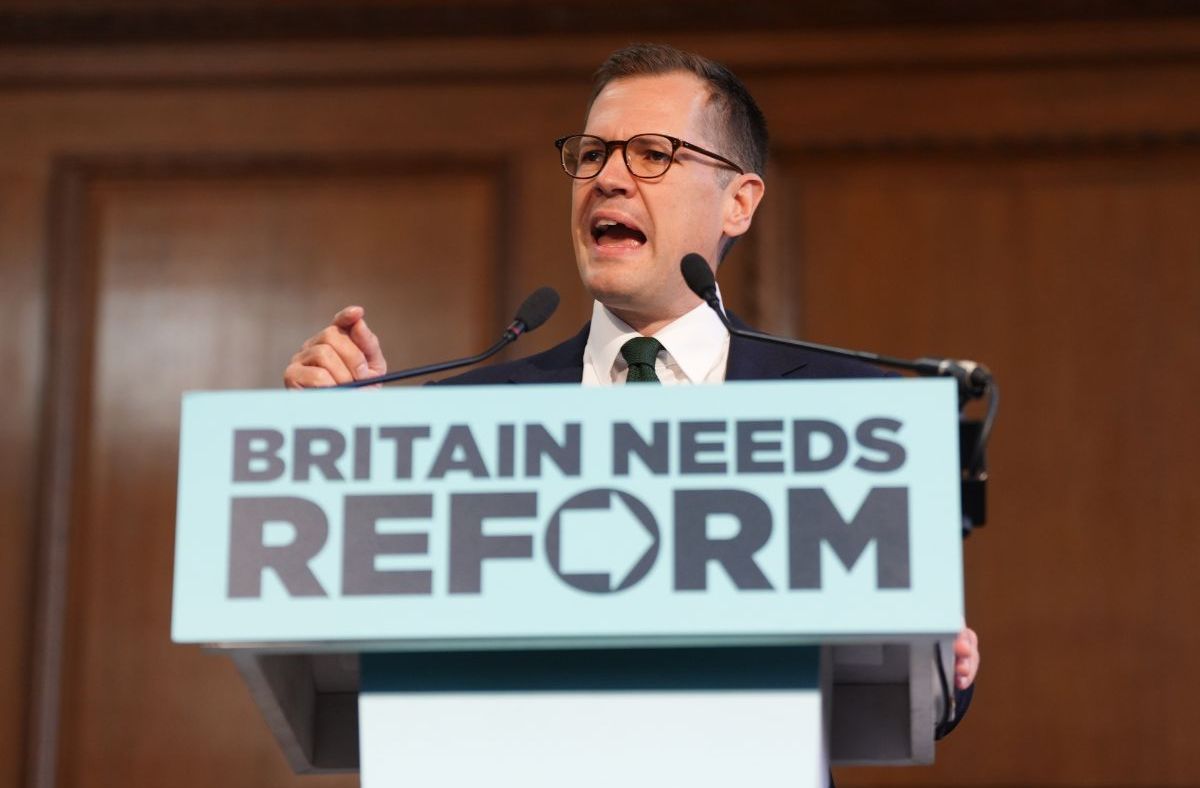
Reform UK announced a sweeping overhaul of the UK welfare system that would cut roughly £50bn from the annual budget. The plan, presented by the party’s treasury spokesman, Robert Jenrick, calls for the abolition of personal independence payments and the health component of Universal Credit for working‑age adults.
The proposed changes
The scheme would replace cash payments for low‑level conditions with locally administered disability support accounts covering equipment, adaptations, transport and personal assistance. Employers could be required to fund a "return to work cover" insurance that pays for the first two years after an employee is signed off sick, creating a financial incentive to reintegrate staff.
Existing claimants would face reassessment over three to four years. Jenrick estimates that about 2.16 million people would retain their full entitlement, while roughly 2.89 million would see benefits modified or withdrawn, largely targeting the surge in claims for mental health and behavioural conditions since 2022.
We will not pretend this is painless.
Political backlash
Shadow work and pensions secretary Helen Whately accused Reform of using the proposal to distract from a parliamentary standards probe into a £5 million donation to party leader Nigel Farage. The investigation, revived after Farage won a by‑election in Clacton, also looks at his links to crypto billionaire Christopher Harborne.
A Labour spokeswoman dismissed the £50bn figure as "fantasy economics" built on stripping support from disabled people and shifting costs onto employers. The Conservative Party, which promised £23bn in savings, has been urged to distance itself from the more radical elements of the plan.
What comes next
The detailed legislation is slated for a Monday rollout, after which Parliament will debate the measures. If passed, the reforms could trigger a wave of reassessments, legal challenges and adjustments in local council budgets. Employers may need to redesign sick‑pay policies to accommodate the new insurance requirement, while claimants could face a period of uncertainty as their entitlements are reviewed.
Stakeholders across the political spectrum will be watching closely, as the outcome will influence not only the welfare budget but also broader debates on social support, labour costs and the role of government in caring for the most vulnerable.


