On palm oil and deforestation: regulators are failing, but so is the market

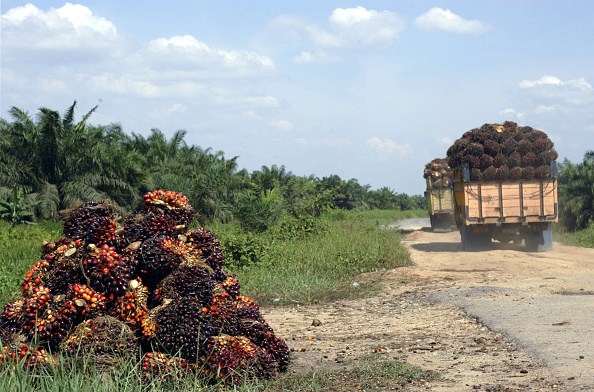
There are products which have become indispensable to our modern way of life, and few more so than palm oil. If its production were to grind to a halt tomorrow, entire supermarket aisles would be left empty. It features in countless everyday products whose availability we take for granted, from chocolate to deodorant. We are using it more than ever before. But we are faced with a problem: palm oil production is extremely bad for the environment, especially in terms of deforestation.
Banning it, as both the private sector and government regulators seem inclined to do, won’t solve the problem. In fact, it will likely make it even worse. Deforestation, like most environmental policy issues, requires long-term planning. The myopia of cracking down on issues’ immediate causes without thinking about what happens next has sadly become typical of short-termist politicians’ thinking. If we want to make a real difference, we must plan further ahead.
Perhaps inevitably, the tide of public opinion has begun to turn against palm oil, as awareness grows of its impact on the planet. Governments and companies have been making publicity pushes about the work they are doing to address the issue. Surveys find that people now see palm oil as much more harmful than similar oil products like soybean, sunflower, rapeseed and olive.
That shift in perception is fuelling knee-jerk responses in both the public and private sectors. Companies, including supermarkets like Ocado, are now going out of their way to help consumers avoid palm oil by introducing new ranges of palm oil-free products.
Meanwhile, state actors are not missing out on the chance for some environmental brownie points. The EU has banned palm oil as a biofuel. Local authorities in Indonesia, which produces much of the world’s palm oil, are also bringing down the hammer. Further crippling new regulations, important restrictions and usage bans around the world look unavoidable.
That’s especially true in the aftermath of COP26. Commitments on climate change were uninspiring – COP26 president Alok Sharma sobbed on stage as the underwhelming nature of the net-zero commitments achieved became apparent. He has since expressed fears that those achievements are becoming “just a bunch of meaningless promises.”
Perhaps the only notable success at COP26 was an agreement on deforestation, which leaders have pledged to bring to a halt by 2030. Palm oil, once again, was in the list of the key drivers of deforestation. But even banning its production overnight would not solve the issue. Unless we are to abandon consumerism, live in mud huts and survive exclusively on organic peace beans, we need oils to make the products we rely on every day.
If it isn’t palm oil, it will be an alternative like soybean or rapeseed, but that would not be an improvement. Palm oil supplies 40 per cent of the world’s vegetable oil on just 6 per cent of the land used for that purpose. Alternatives need 4 to 10 times more land. Moving away from palm oil will cause more deforestation, not less. Despite the unsustainability of palm oil production, buying it still makes sense because the market hasn’t changed – and that’s the problem.
The solution is innovation. New palm oils with lesser environmental impacts are available on the market, but they are shunned by its biggest users, such as food companies. The result is a new litany of expensive products, inaccessible to many, which skirt the now toxic “palm oil” name by using less efficient products which are even worse for the environment. More affordable products, in the meantime, continue using the same cheap, environmentally damaging palm oil as they did before.
Until powerful actors – both in the regulatory and in the private sector – look beyond environmental virtue-signalling and begin to practise what they preach, palm oil will continue to fuel deforestation. The cost of living and saving the planet will creep ever higher. We can’t afford to let that happen.