Skip to content
Saturday 5 September 2026London --:--Frankfurt --:--Zurich --:--
NewslettersSearchEN · DE · FR
MorningWire

European business, markets and politics

FTSE 100
10,831.09
0.00%
DAX
26,046.40
+0.17%
CAC 40
8,278.77
-0.09%
STOXX 50
6,392.93
+0.16%
  • Europe
  • Markets
  • Business
  • Economy
  • Regulation
  • Politics
  • Opinion
More
GermanyFranceEU InstitutionsCompetitionPublic AffairsBankingTechnologyEnergy
  • Germany
  • France
  • Europe
  • Markets
  • Business
  • Economy
  • Regulation
  • Politics
  • Opinion
  • DE
Tuesday 29 October 2013 9:01 pm

Rising fuel costs: The real trigger behind the 2008 subprime crisis

By: Express KCS

Add as a preferred source on Google

FIVE years on, and academics and journalists are still attempting to explain the US subprime loan crisis that, in September 2008, caused the collapse of Lehman Brothers and apparently triggered the global economic crisis.

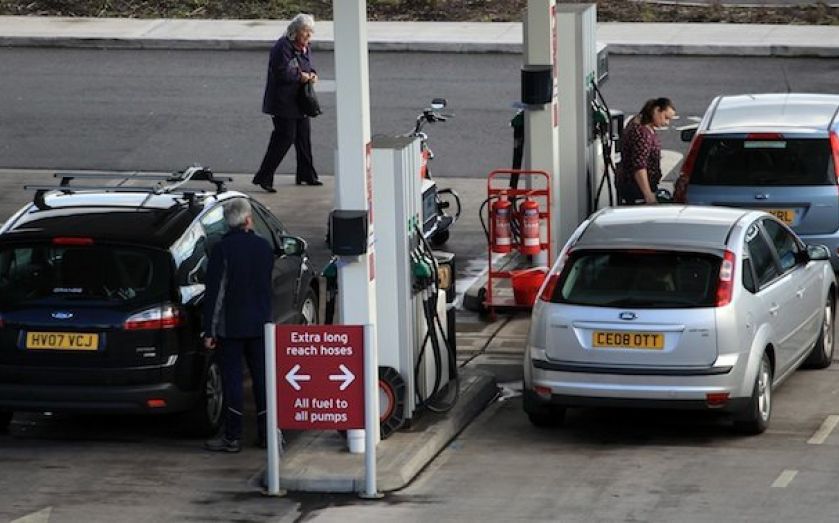
But an important factor in understanding what happened is missing: energy prices. In November to December 1998, a barrel of oil cost just $12. But by July 2008, the price had risen to $140. Across the same timeframe, the price of a gallon of regular petrol in the US quadrupled – from $1 to $4.

Several factors triggered this increase in fuel costs: a lack of exploration due to low oil prices over almost 20 years, rising demand due to higher growth in the world economy, unrest in the Middle East, Nigeria and Venezuela, hurricanes Katrina and Rita, and speculation.

But together with rising interest rates on subprime mortgages, increasing energy prices from 1999 to 2008 pulled the rug out from under the feet of a few million households that had been seduced into buying a house with subprime mortgages and adjustable rates. Eventually, together with the rise in energy prices, these became costs they were unable to pay. Subprime mortgages were primarily sold in working class areas, where homebuyers were told that the increasing value of their new home could give them the cash they would need to refinance when interest rates went up. They were wrong and had been fooled.

This, however, is only part of the story. More than 100m US households were not exposed to subprime loans, but were very exposed to higher energy prices. American households are extremely dependent on their cars – to go to work, bring their kids to school, and to shop. Given this context, they were more or less forced to use the same amount of energy (petrol), in spite of a quadrupling of prices.

My organisation has been tracking US consumer behaviour since February 2001, and our monthly Consumer Demand Indices showed month-by-month how households were cutting down on their consumption of clothing, food and durables like cars, furniture, white goods, TVs, and radios. It was a gradual development over the years, reflecting the increase in petrol prices. But in early 2008, it started to get dramatic.

When consumers do not take goods out of Wal-Mart and other retailers at the same rate as before, retailers do not order new supplies. These in turn are not produced or transported from China or other places. As a result, orders for new cars, containers and ships were cancelled. The demand for steel, and the iron ore for steel production, dropped. Unemployment increased, depressing consumer demand even more – and on a worldwide scale.

Paraphrasing the slogan Bill Clinton successfully used during the US presidential election in 1992: “It’s the energy price, stupid!”. And it still is. Petrol prices have come down to around $3.60 per gallon, depending on where in the US you are. But crude oil is still around $100 per barrel. Things have improved, but it’s not over yet.

Jørn Thulstrup is chief executive of the Institute for Business Cycle Analysis.

  • Energy bosses: We’ll cut bills if you cut taxes

Share this article

  • Facebook
  • X
  • LinkedIn
  • WhatsApp
  • Email

Similarly tagged content:

Sections

  • Opinion

Categories

  • Opinion

Trending Articles

  • Jenrick pledges to raise tax-free personal allowance to £15,000

  • Beer, kits, hospitality and stadia can take Women’s Super League to greater heights

  • Virgin Atlantic ends British Airways grip on Team GB partnership

  • Electra/Persona at the National Theatre review: A dull mash-up of Sophocles and Bergman

  • Dazn National League row: Club in ‘poodles’ rant as owner calls for end to broadcast deal

More from Morning Wire

  • As it happened: Miners fuel FTSE 100 recovery; oil jumps as Trump claims Strait of Hormuz

    FTSE 100 Live
    FTSE 100 stocks rise as Brent crude oil prices jump 1.8% to $104.98 amid Strait of Hormuz tensions and Trumps Iran stance
  • ‘Broken promises’: Burnham under fire on cost-of-living plans as energy bills set to surge

    Politics
    Man in glasses and maroon jacket speaking, with out-of-focus figures in the background.
  • Ryanair warns soaring jet fuel prices could topple rival airlines

    Transport & Infrastructure
    Ryanair Boeing 737 aircraft in flight with landing gear extended against a clear blue sky
  • Octopus boss Greg Jackson calls for ‘urgent reform’ on energy as bills rise

    Politics
    Octopus Energy, which was founded by Greg Jackson, is to spin-off Kraken. Chris Ratcliffe/Bloomberg via Getty Images
  • Oil price falls but Trump and Iran clash on negotiations claim

    Markets
    Donald Trump smiling in a blue suit and tie with an American flag pin, US flag in background
  • Tui hit by Middle East travel chaos and rising fuel costs

    Transport & Infrastructure
    TUI airline crew, pilots and flight attendants, smiling on aircraft stairs with the TUI tail logo in the background
  • Wizz Air profit wiped out by rising fuel prices

    Markets
    The CEO of Wizz Air received a huge bonus in 2024.
  • Shop price inflation hits two-year high as rising energy costs hit consumers

    Economics
    Retail sales slumped in May as tax hikes and economic uncertainty hit shoppers' spending
MorningWire

Independent European business, markets and political news for decision-makers.

Morning Briefing

Europe

  • Germany
  • France
  • EU Institutions
  • Europe

Business

  • Markets
  • Business
  • Economy
  • Regulation
  • Competition
  • Public Affairs

Editorial

  • Opinion
  • Editorial Policy
  • Corrections
  • Contact

Company

  • About Morning Wire
  • Privacy Policy
  • Terms of Use
  • Cookie Policy
© 2026 Morning Wire Ltd · Published by Morning Wire Media, Bahnhofstrasse 65, 8001 Zürich, Switzerland
Privacy · Terms · Cookies · Facebook